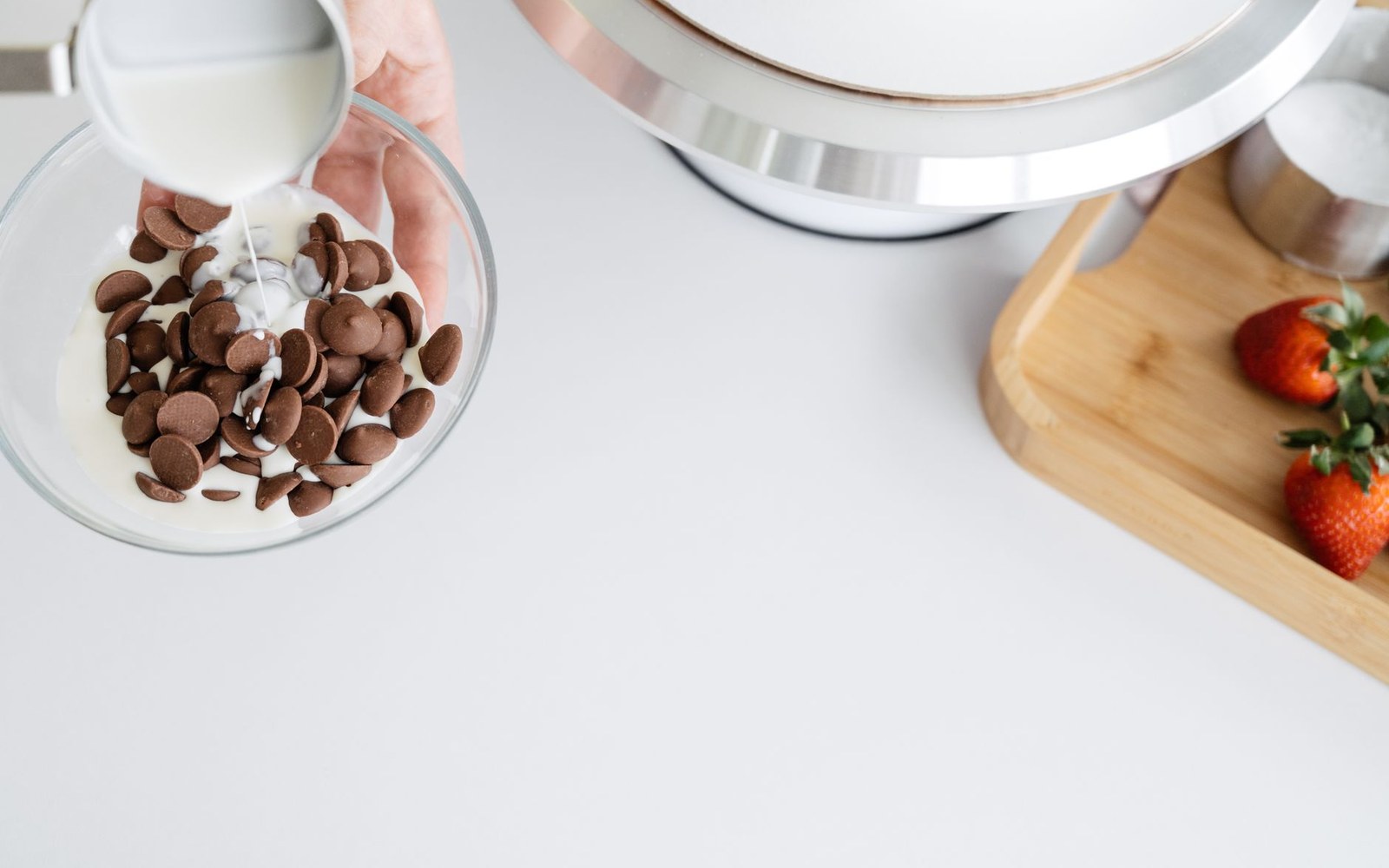
Ganache Is Three Recipes Wearing One Name
Covers ganache at 1:1, 2:1 and 1:2 cream-to-chocolate ratios — what each ratio produces, what it is for, and how to bring an emulsion back if it breaks.
Everything, in one place
All 25 pieces, grouped by the section they belong to. The four section pages carry the same rosters with more room; this is the flat list.
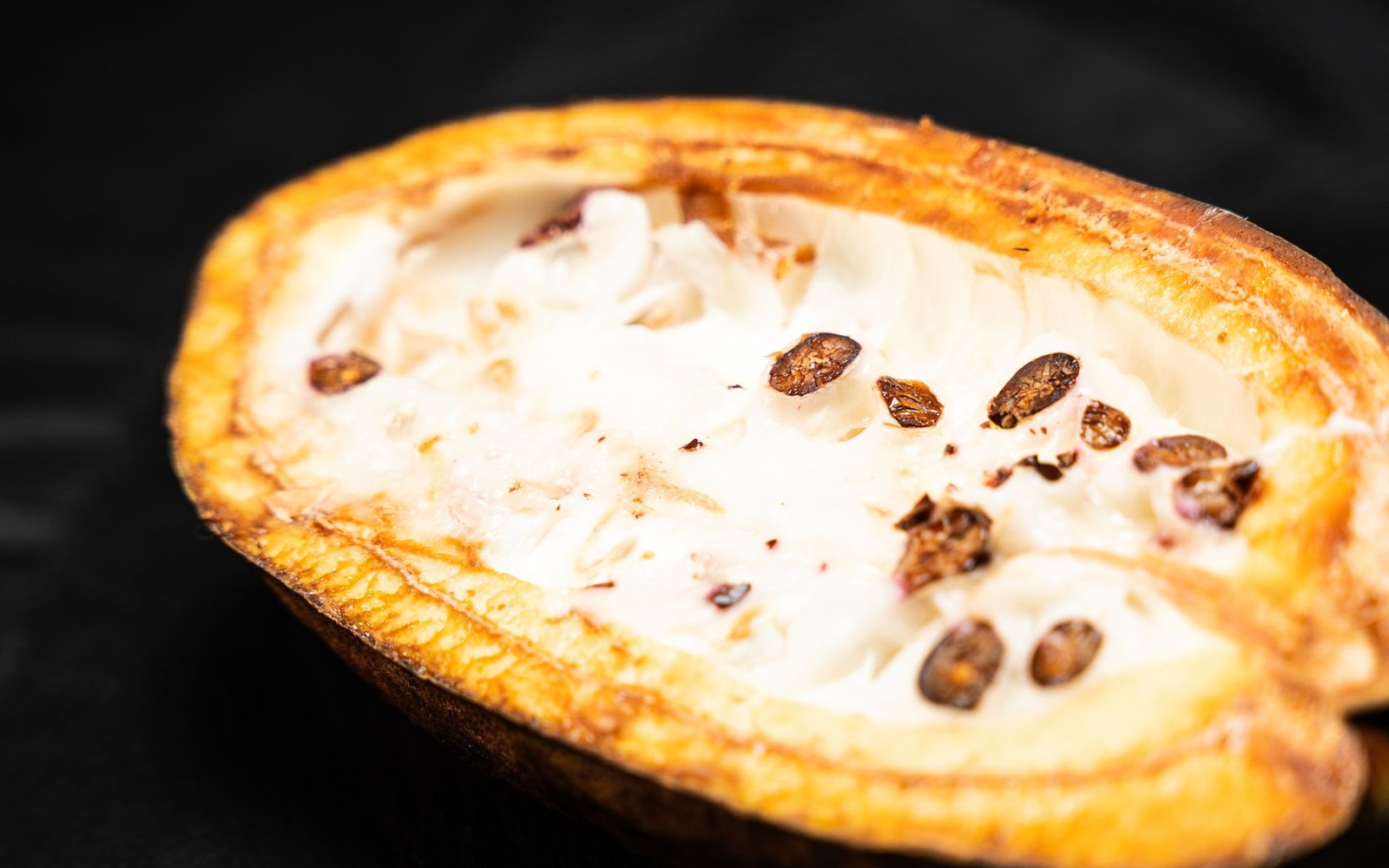
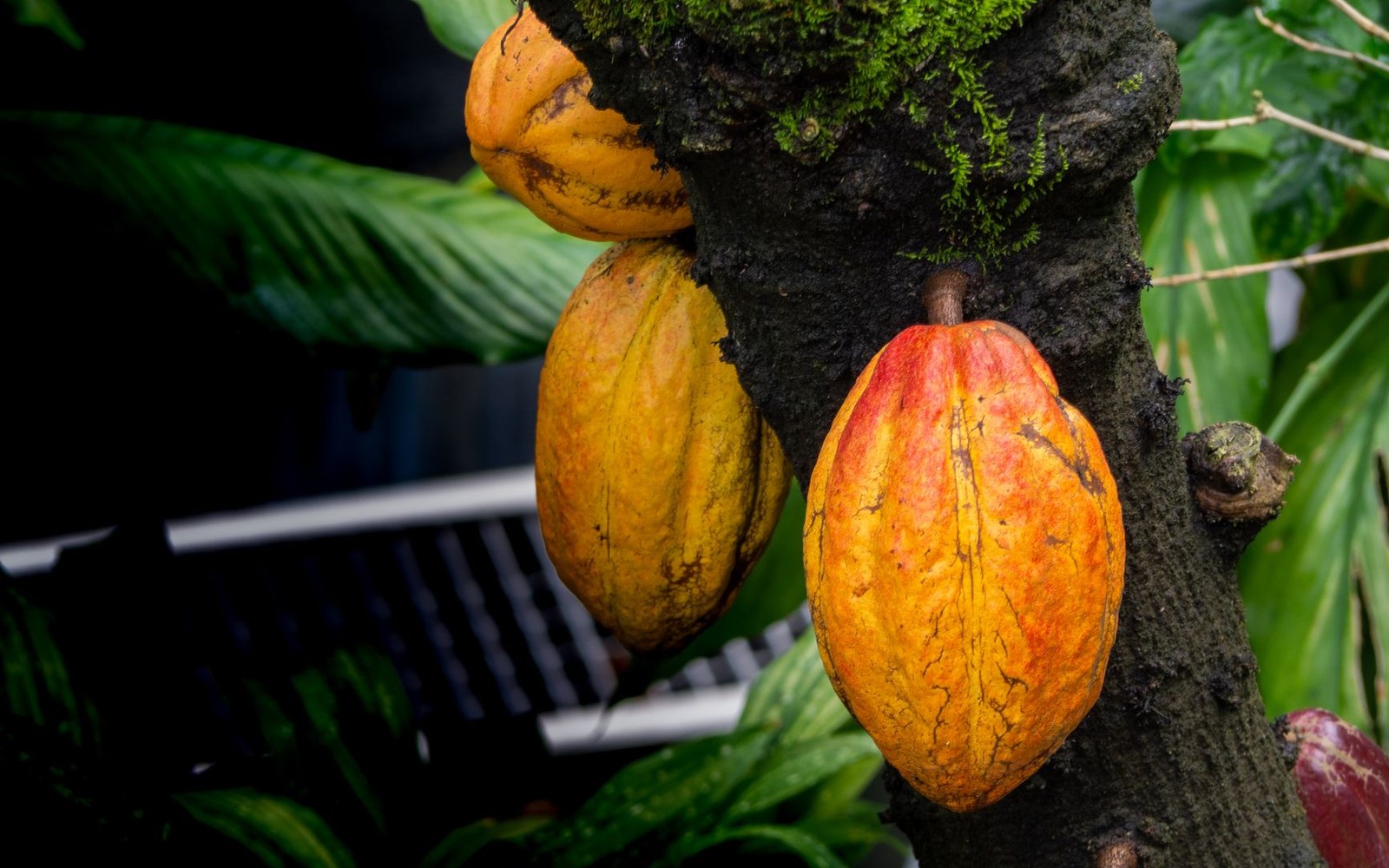
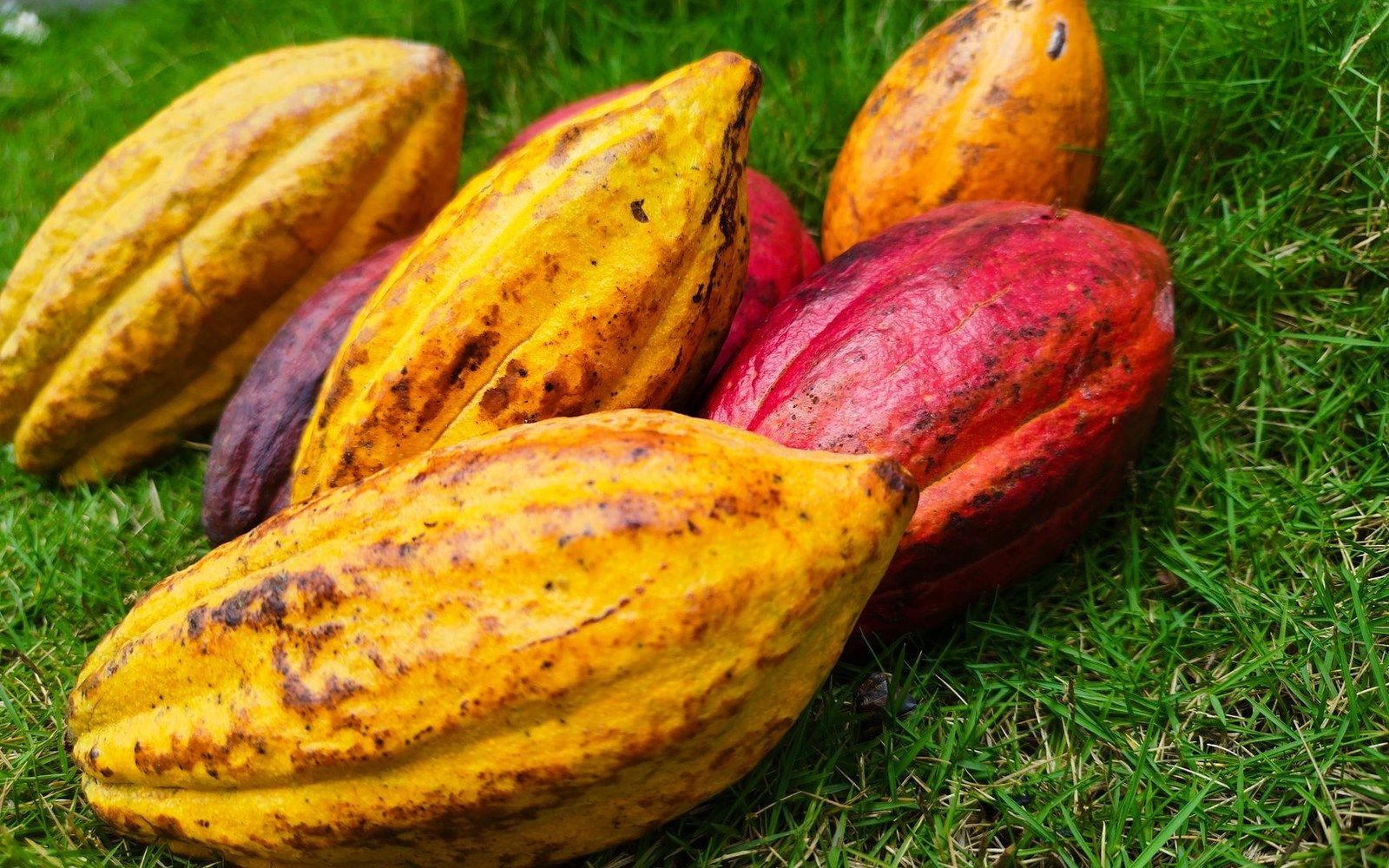
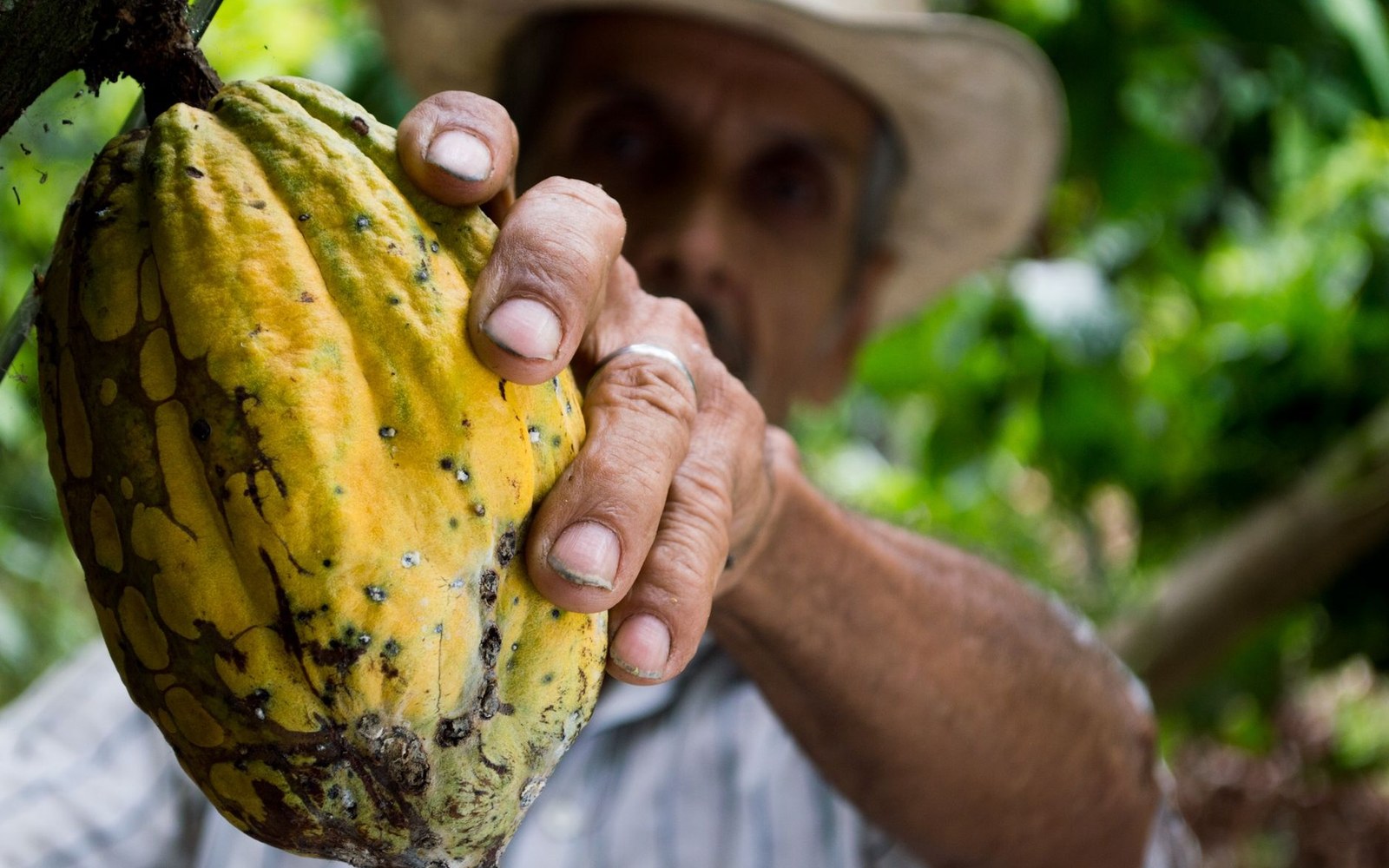
Where all of it starts: the pod, the wet pulp, and seeds that taste of nothing until they have fermented.
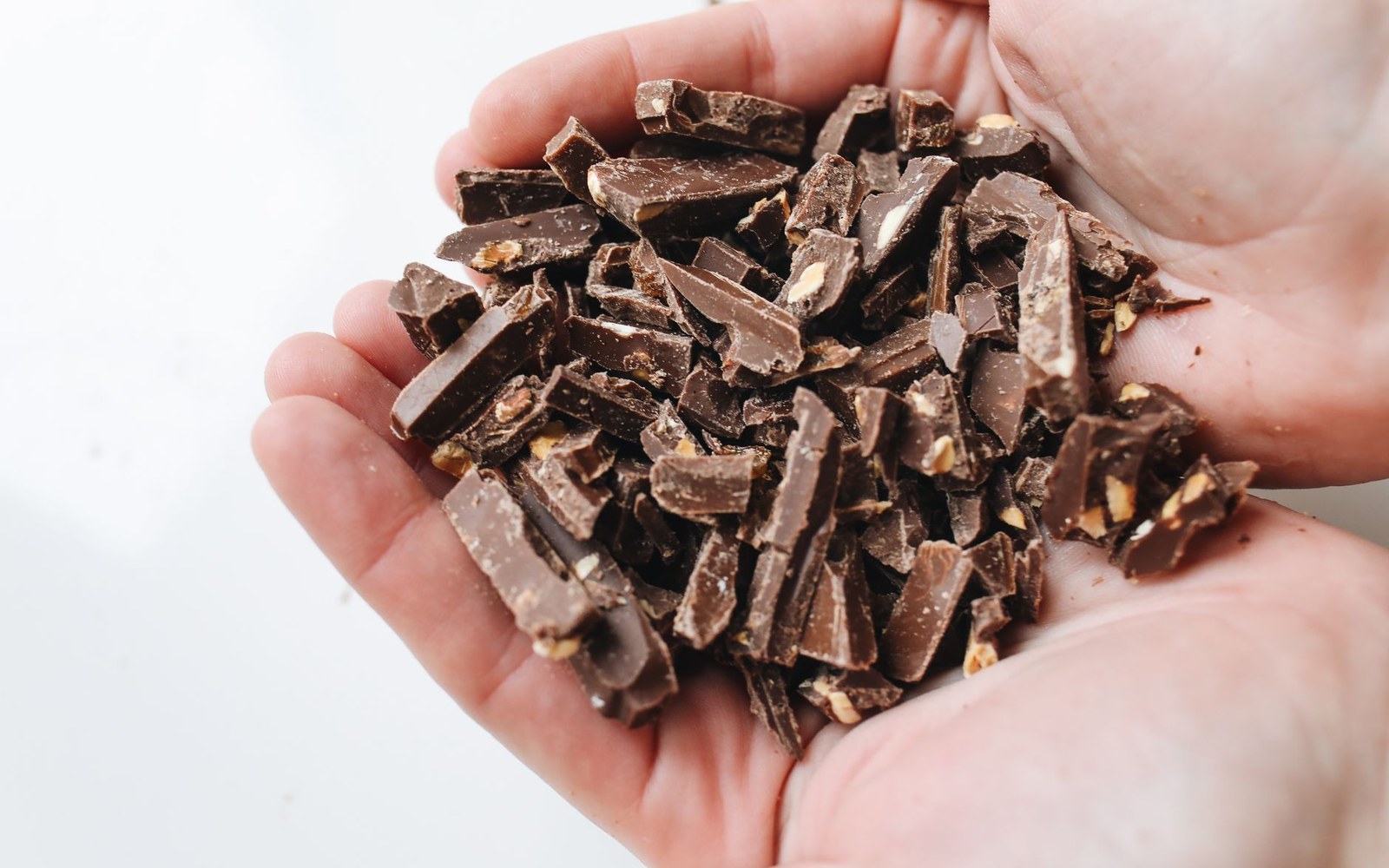
Photo: Aaron H Ch / Pexels
Recipes
Covers ganache at 1:1, 2:1 and 1:2 cream-to-chocolate ratios — what each ratio produces, what it is for, and how to bring an emulsion back if it breaks.
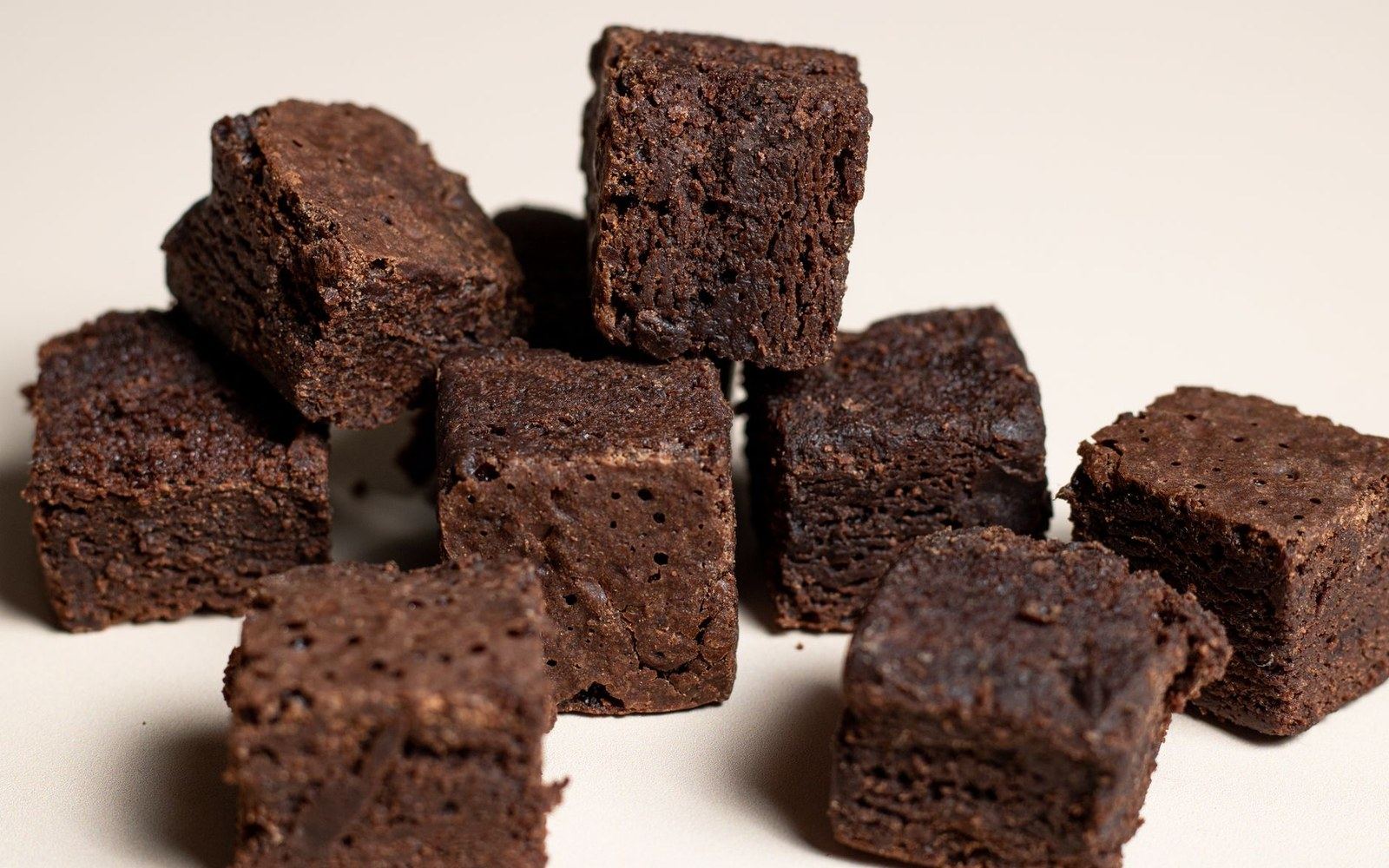
A brownie recipe that holds two outcomes inside it — the single variable (flour weight) that decides which you get, and what gluten development and fat ratio do to the crumb.
Ganache for truffle centres — set time, temperature, and the technique for rolling and coating without the shell cracking or the palm melting the work.
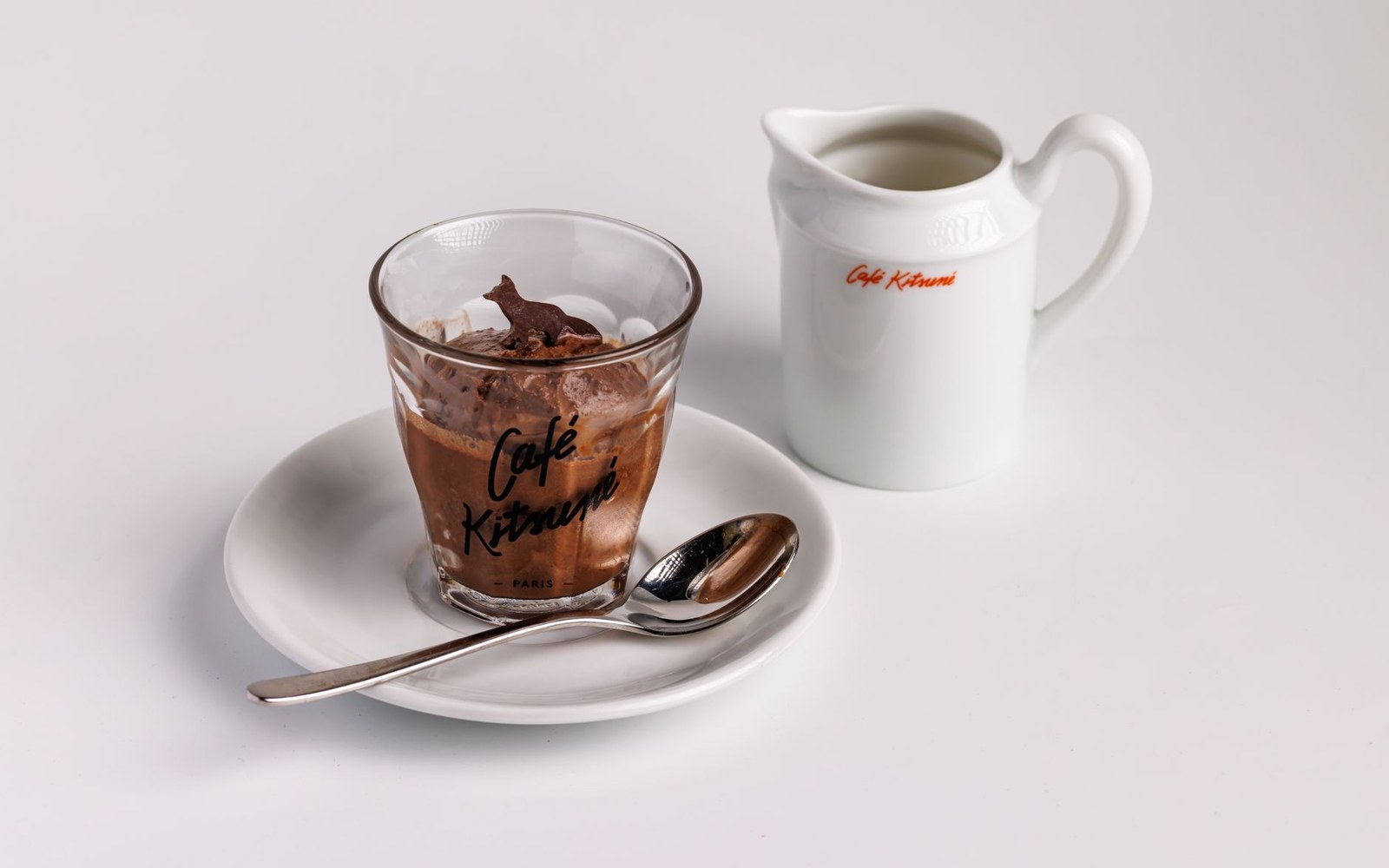
The classic French recipe with egg yolks, whites and no cream — exact proportions, the role of each component in the set, and the two things that make it collapse.
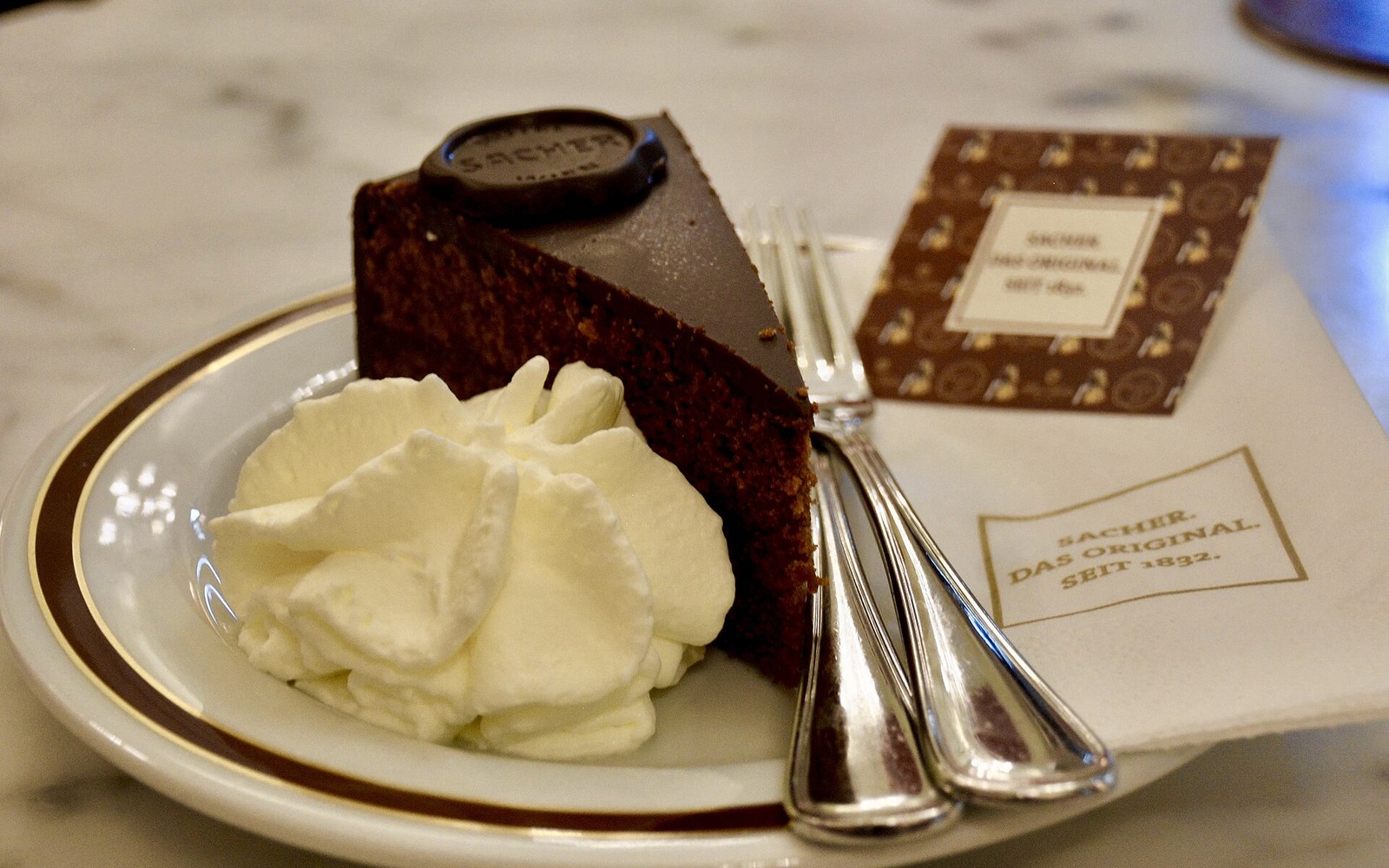
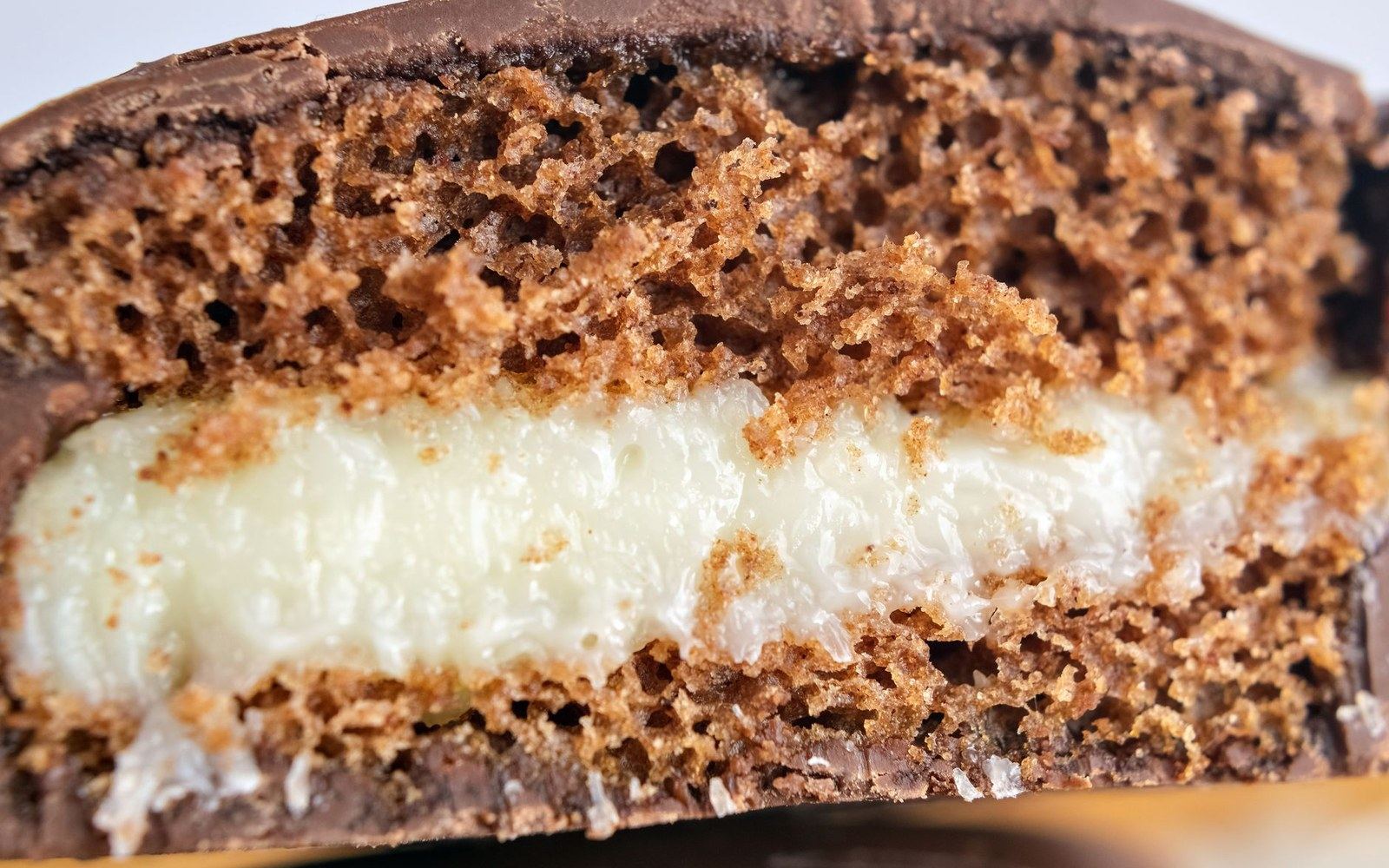
The full Sachertorte recipe — Viennese sponge, apricot glaze and mirror-gloss chocolate coating — with attention to why the apricot layer is structural as well as flavour, and what the original Hotel Sacher dispute (resolved 1963) was actually about..
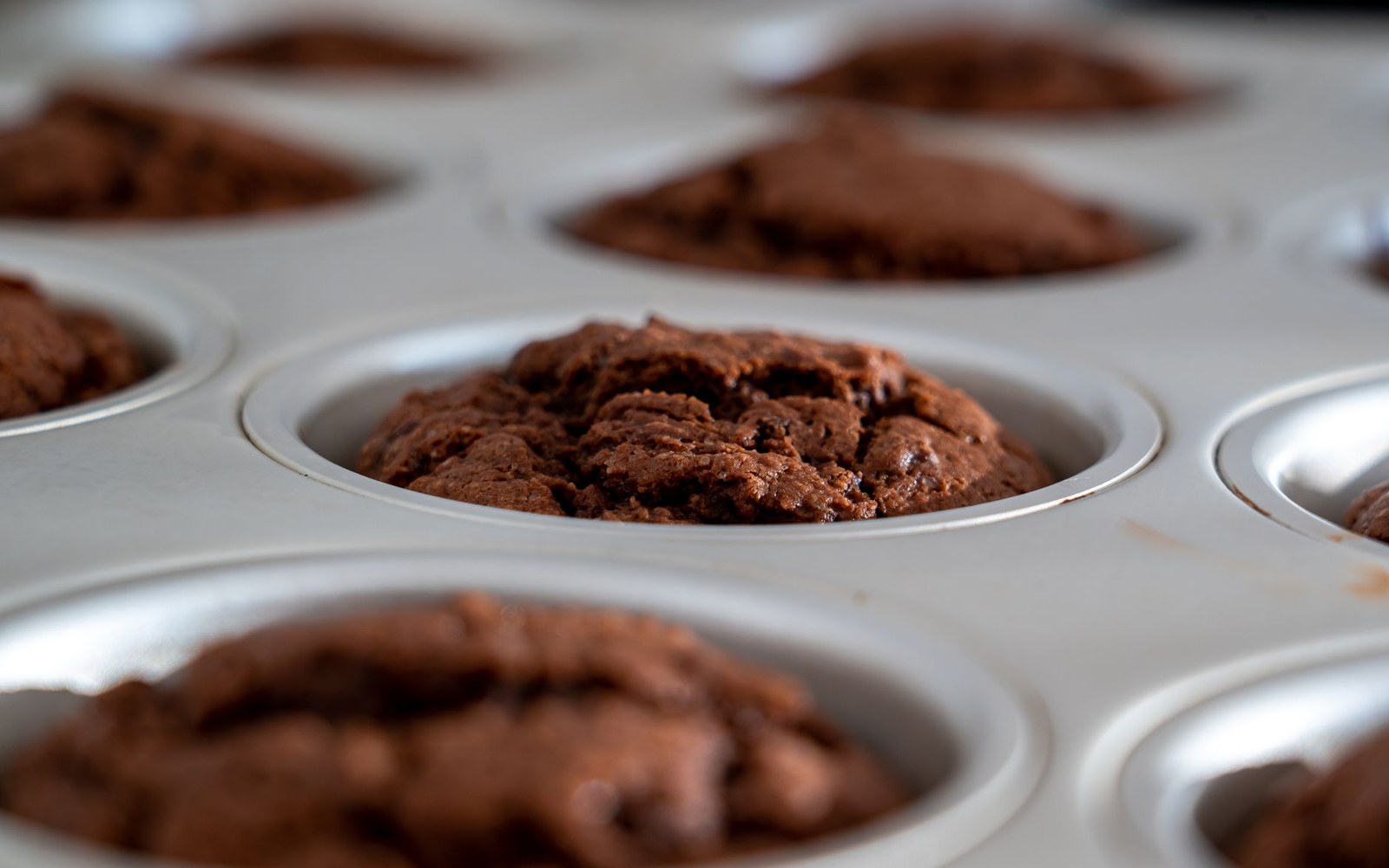
A reliable lava cake recipe built around two controllable variables — mould temperature and oven time — with the science of the set exterior and liquid centre explained in one paragraph.
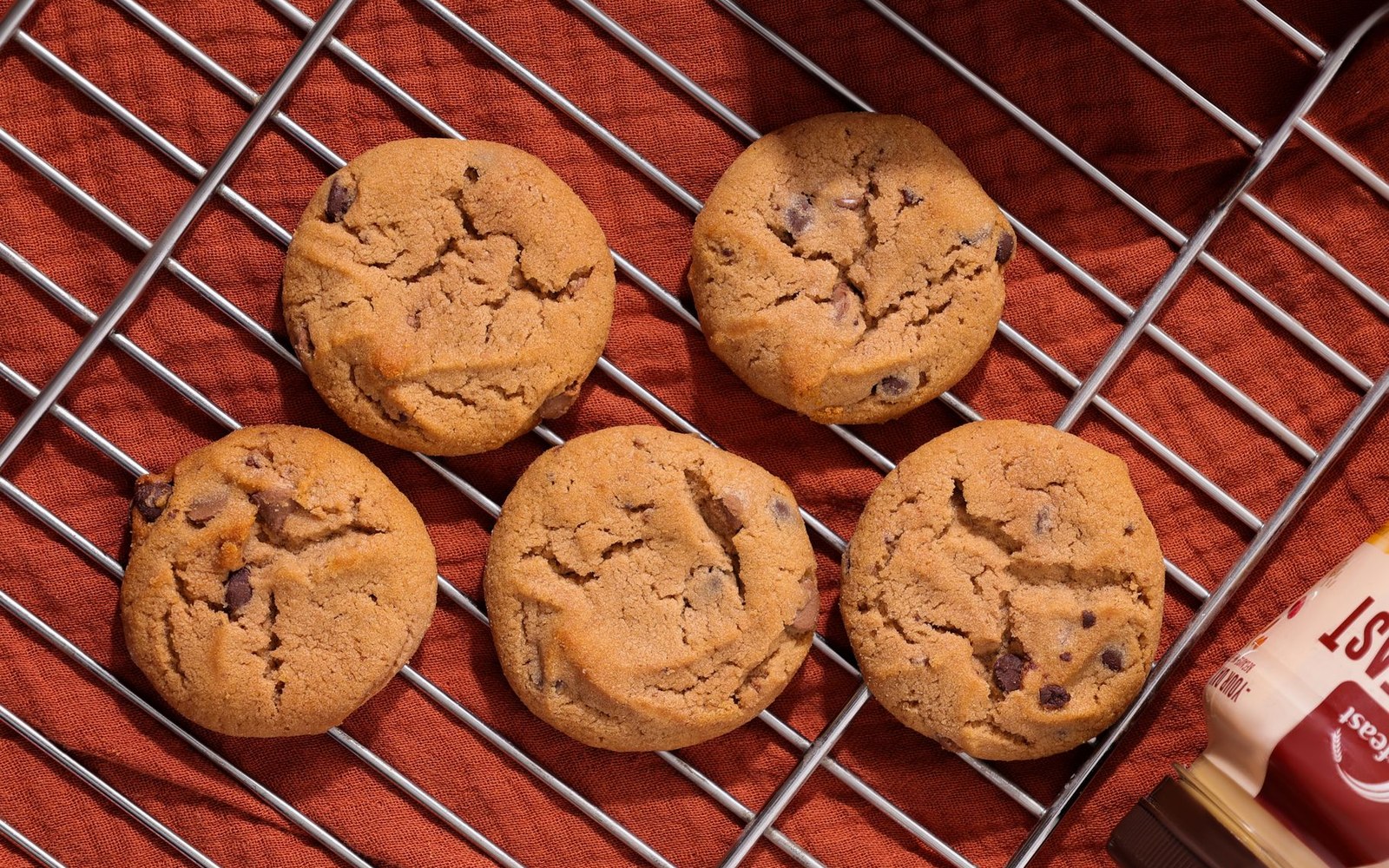
Ruth Wakefield's original 1938 Toll House recipe as the baseline, then what browning the butter changes — Maillard compounds, water loss and spread — with quantities adjusted for the difference.
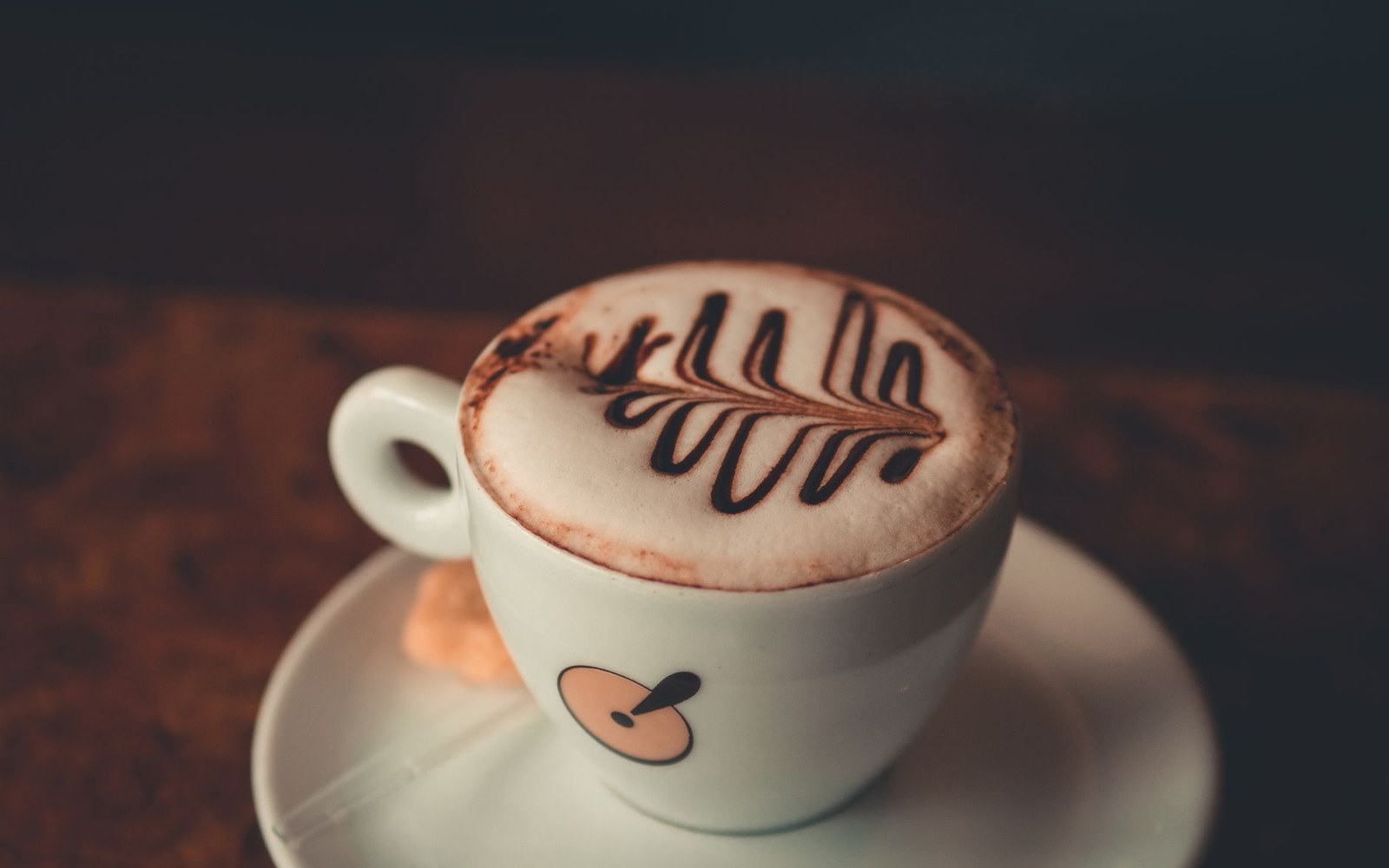
Spanish-style chocolate a la taza and Italian cioccolata calda — side by side, two recipes, two textures, the role of cornflour in each, and why neither is the same drink as cocoa-powder-in-milk.
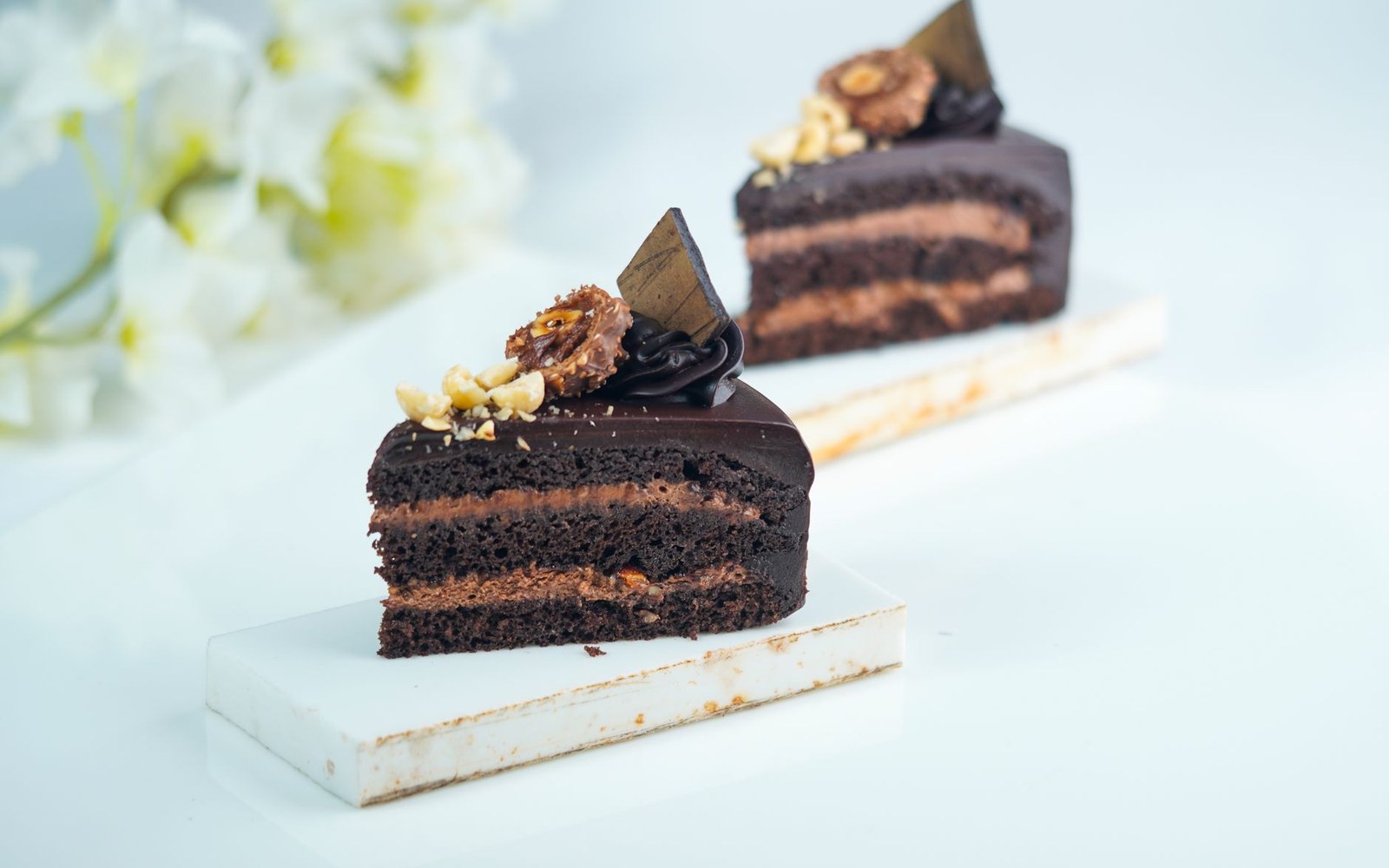
A chocolate tart filling — ganache-based, set to a slice-able consistency — with the exact fat and cream ratios that give a clean cut rather than a crumbly or greasy edge.
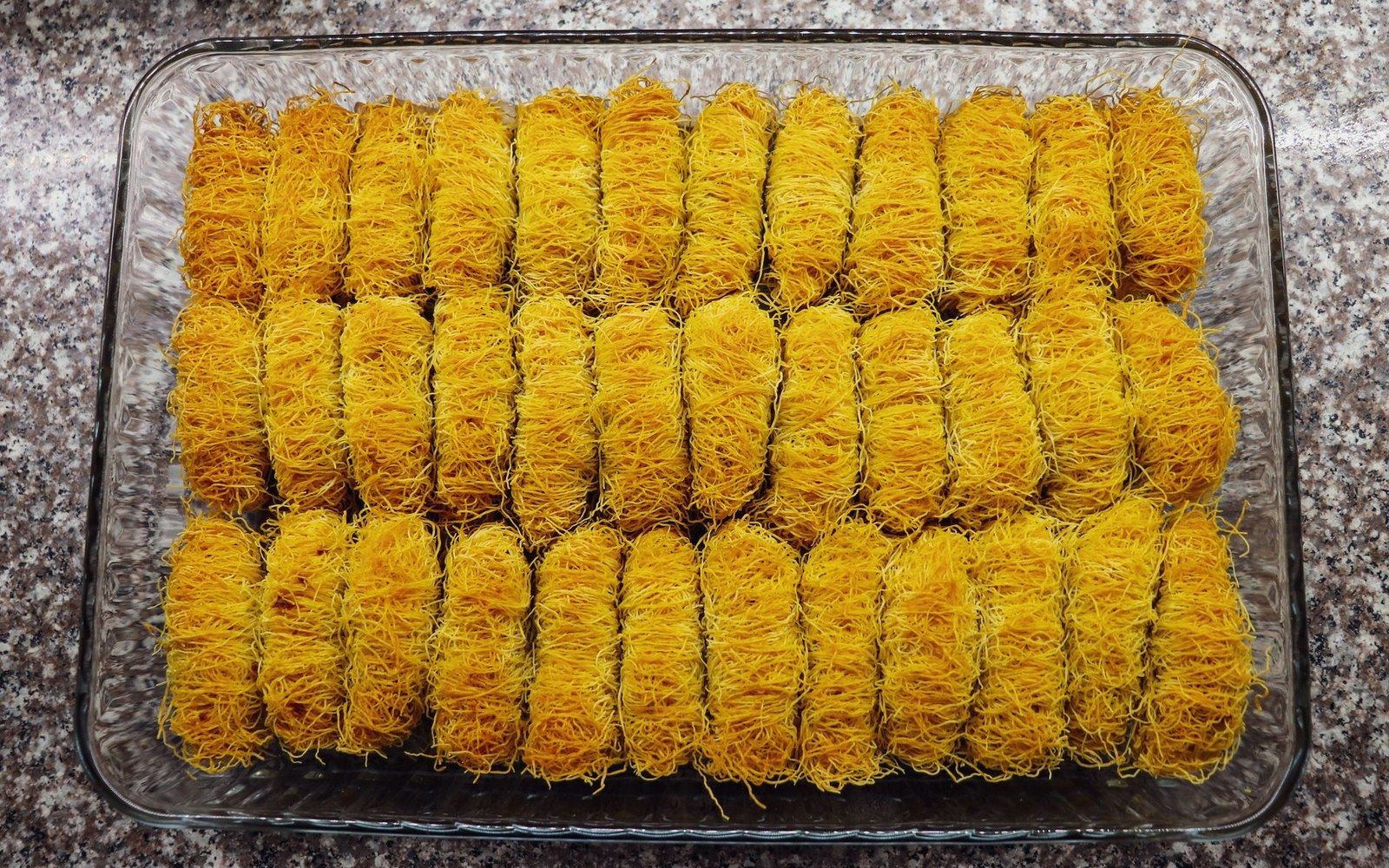
The pistachio-and-kataifi chocolate bar that spread from Dubai in 2024 — recipe for the filling, method for the tempered shell, and a short explanation of why shredded filo toasted in butter gives the crunch that makes the contrast matter..
At the Bench
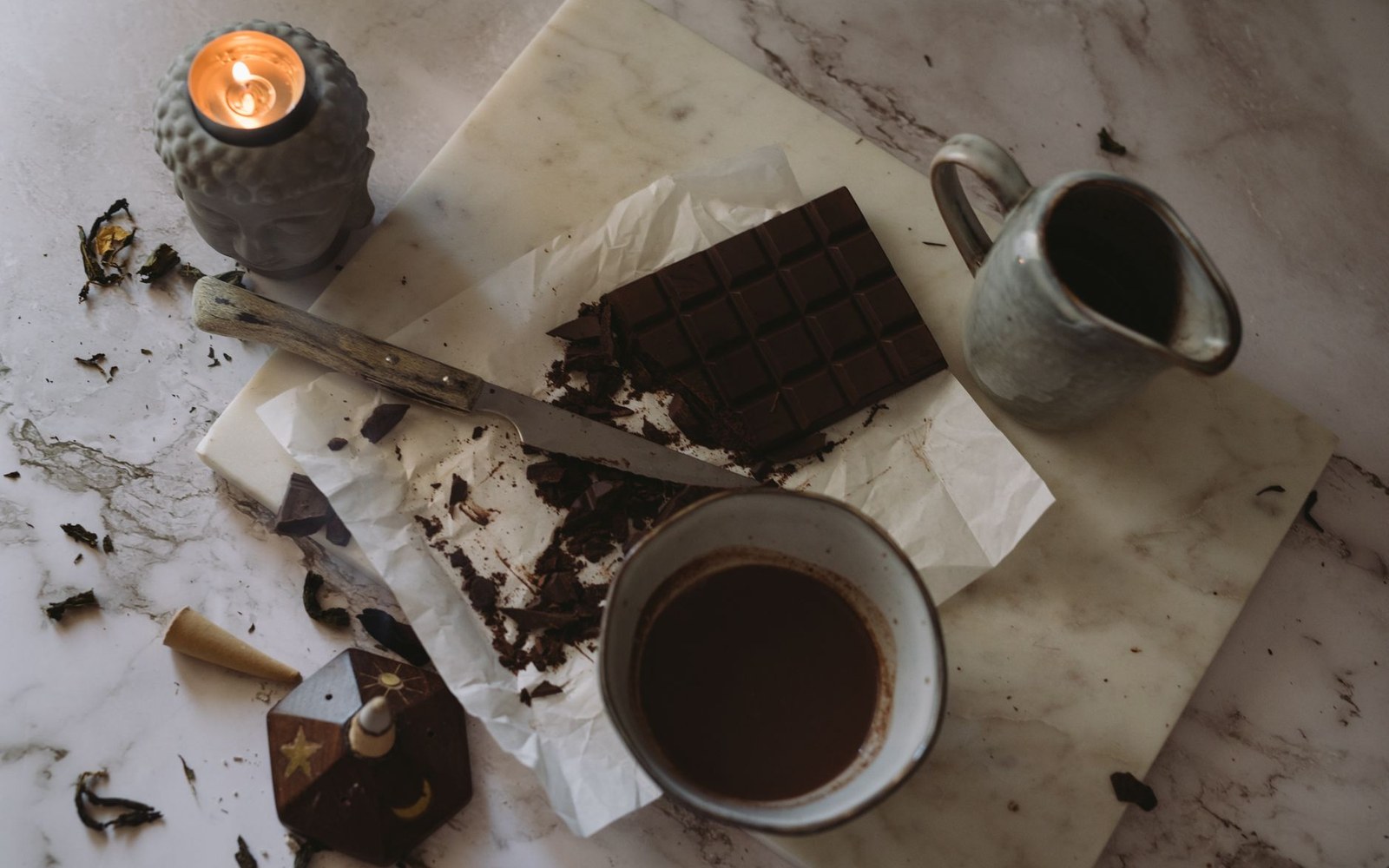
Seeding method and tabling method described as two distinct procedures, each with its actual temperature curve (melt, cool, work, reheat), and a single practical test — a palette knife dipped and set — to confirm Form V was reached.
Cocoa butter's six crystal forms — I through VI — what each looks like and at what temperature it forms, and why Form V is the target: the snap, the gloss, the melt point just below body temperature.
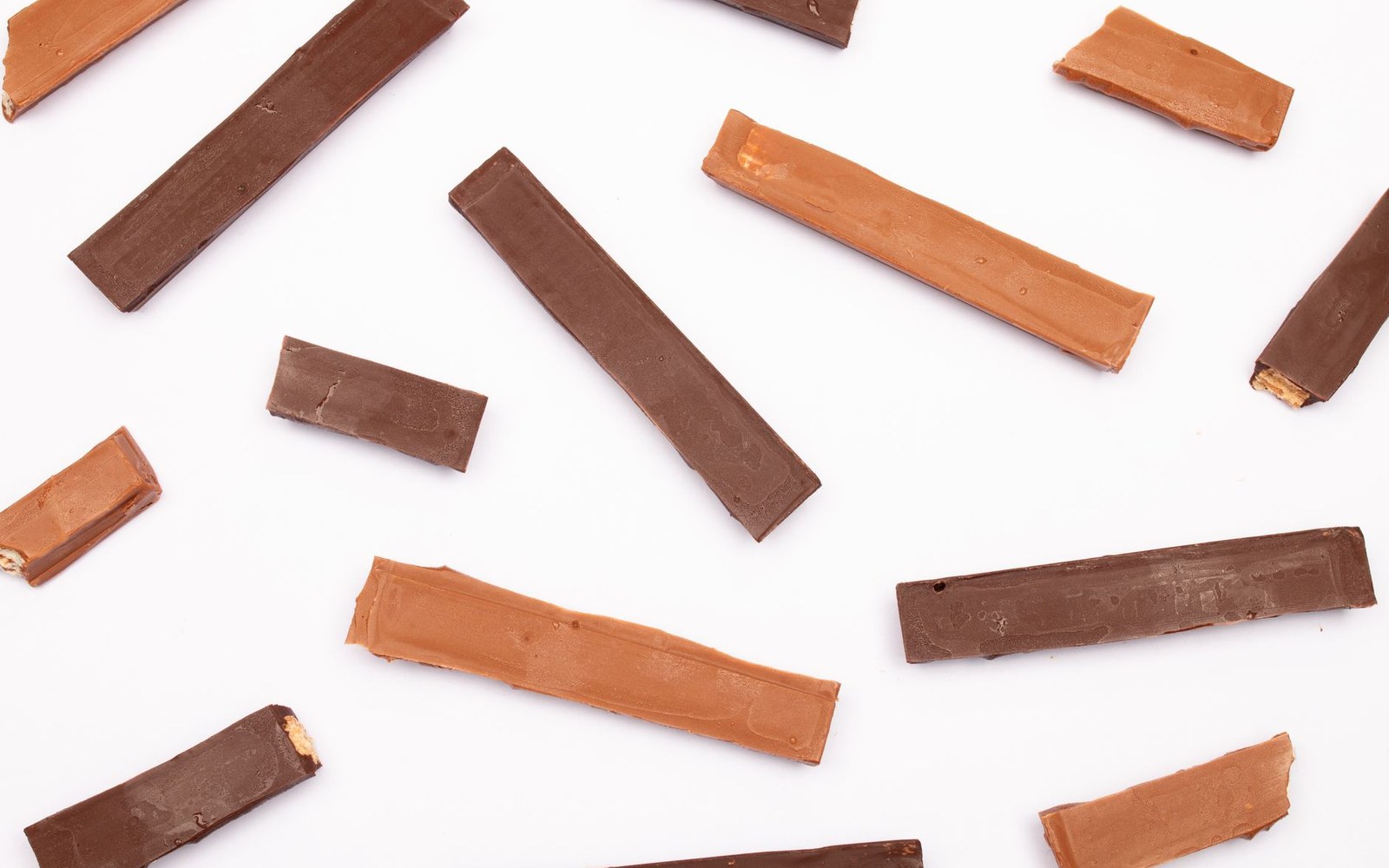
Fat bloom versus sugar bloom: what each looks like under the surface, what causes each (unstable crystal form in one case, moisture condensation in the other), and whether a bloomed bar is safe to eat and temper from.
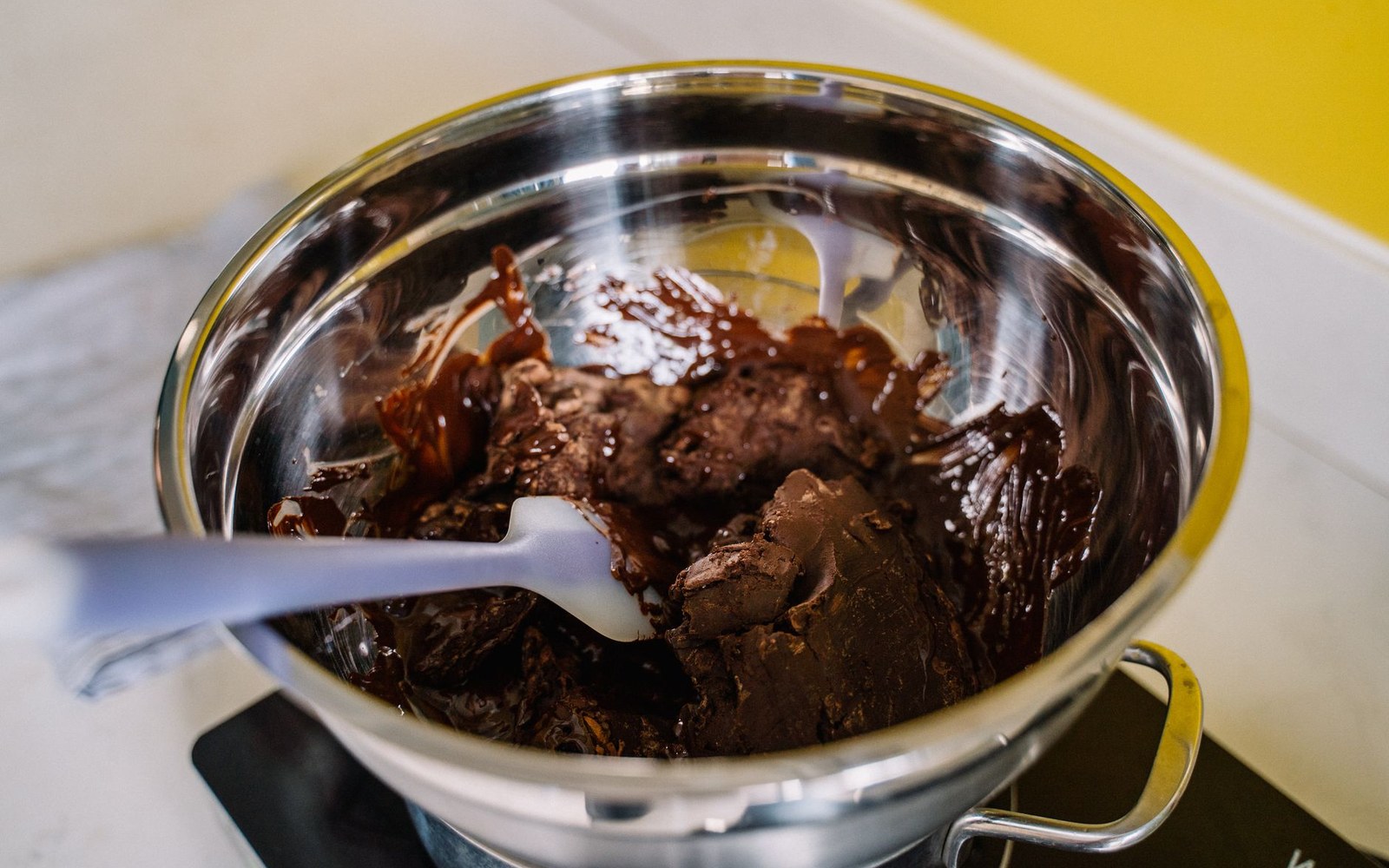
Why chocolate seizes when a small amount of water hits it — the starch-and-sugar particle mechanism, why a large amount of liquid does not trigger the same effect, and how to recover a seized bowl by adding more liquid deliberately.
Ganache as a water-in-fat emulsion — what water activity means for shelf life, what fat crystallisation does to texture over time, and the two conditions (temperature shock and over-agitation) that cause a split.
Dutch-process versus natural cocoa — the alkalising step, what it does to colour and flavour, and why substituting one for the other in a recipe that uses baking soda produces a flat result.
Couverture (legally defined cocoa-butter content, temper required) versus compound coating (vegetable-fat substitutes, no temper needed) — a direct comparison of what each is made from, what it costs to work with, and where compound is the sensible choice.
Cocoa
The 2024–25 cocoa price spike — ICCO data, the two consecutive West African harvest failures, the demand-supply gap, and how Lindt, Ferrero, Mondelēz, Hershey, Mars and Nestlé have responded in public filings.
What happened to the 2023 and 2024 main-crop harvests in the two countries that supply roughly 60 percent of world cocoa — weather, disease, the Living Income Differential mechanism, and the gap between the farmgate price farmers received and the ICE futures price.
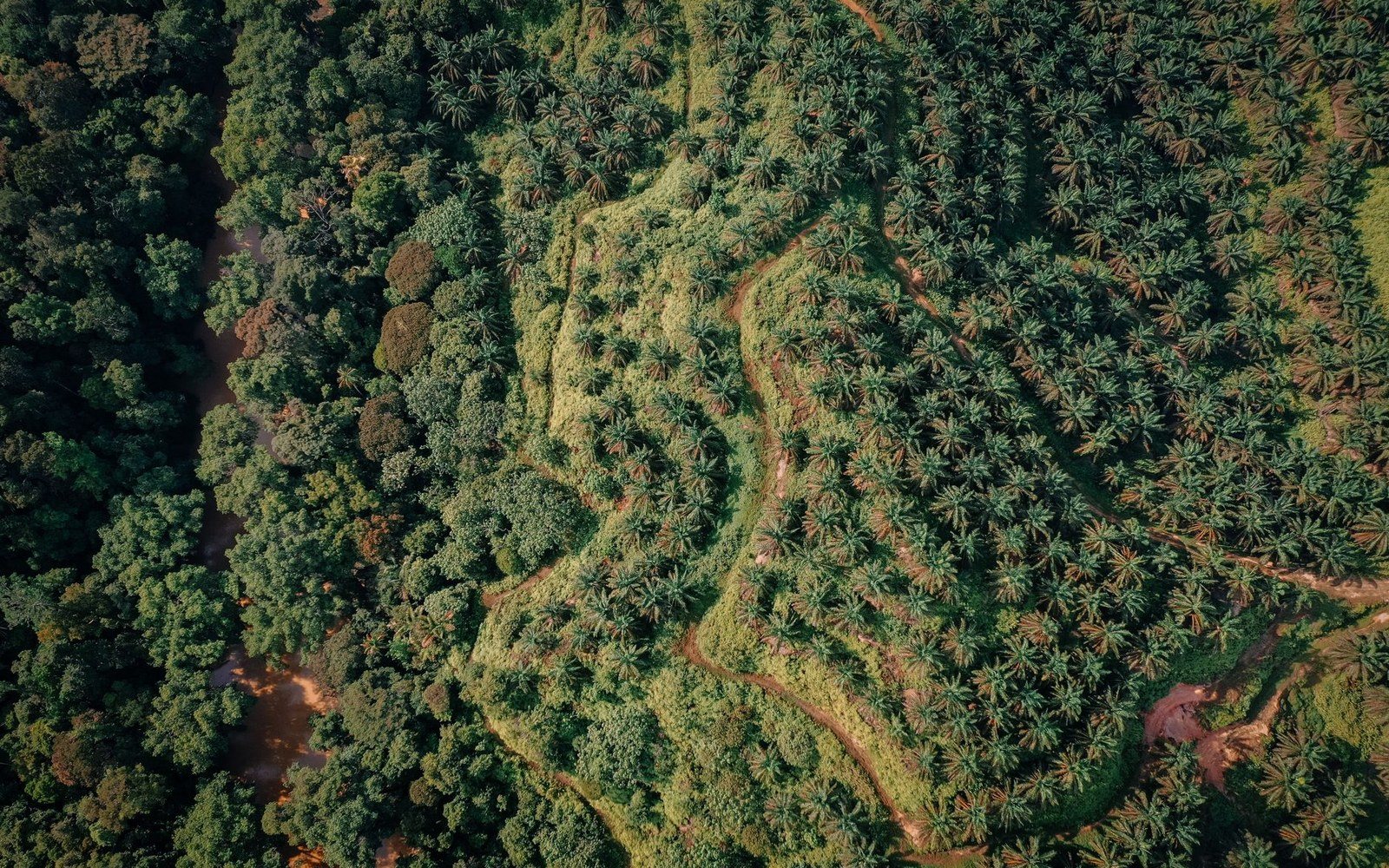
EUDR Regulation (EU) 2023/1115 — what it requires of cocoa exporters and importers, the December 2024 delay, and what it means in practice for supply chains that run through Côte d'Ivoire and Ghana.
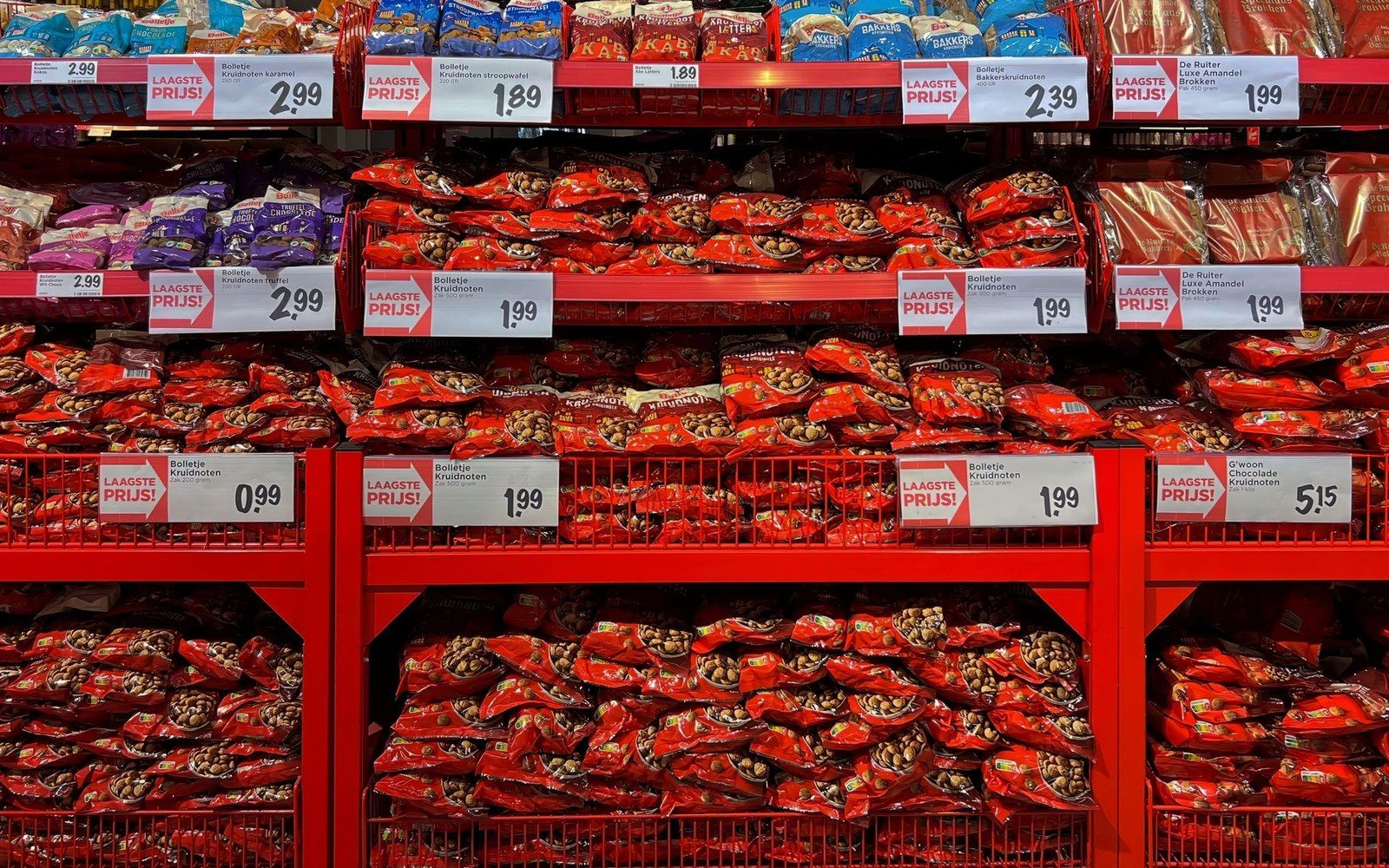
Shrinkflation in the chocolate aisle — documented bar-weight reductions by named manufacturers — alongside the quiet substitution of cocoa-butter equivalents (CBEs) in compound products.
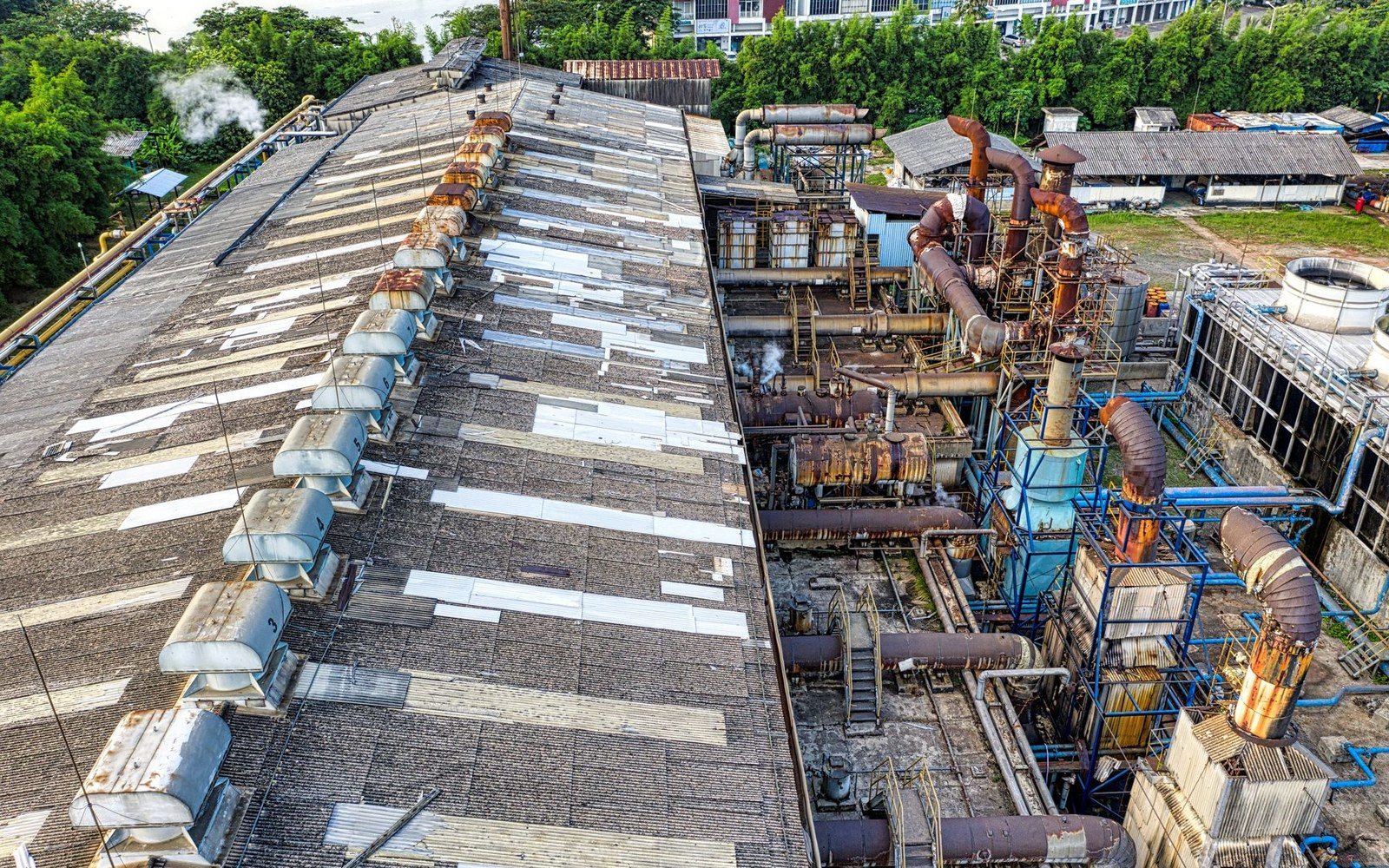
Barry Callebaut, Cargill and Olam as the industrial suppliers behind the brands most readers recognise — what each does, roughly what share of global grinding capacity each holds (figures from company annual reports, dated), and why their decisions shape what Valrhona and the bean-to-bar makers can buy..
Reference
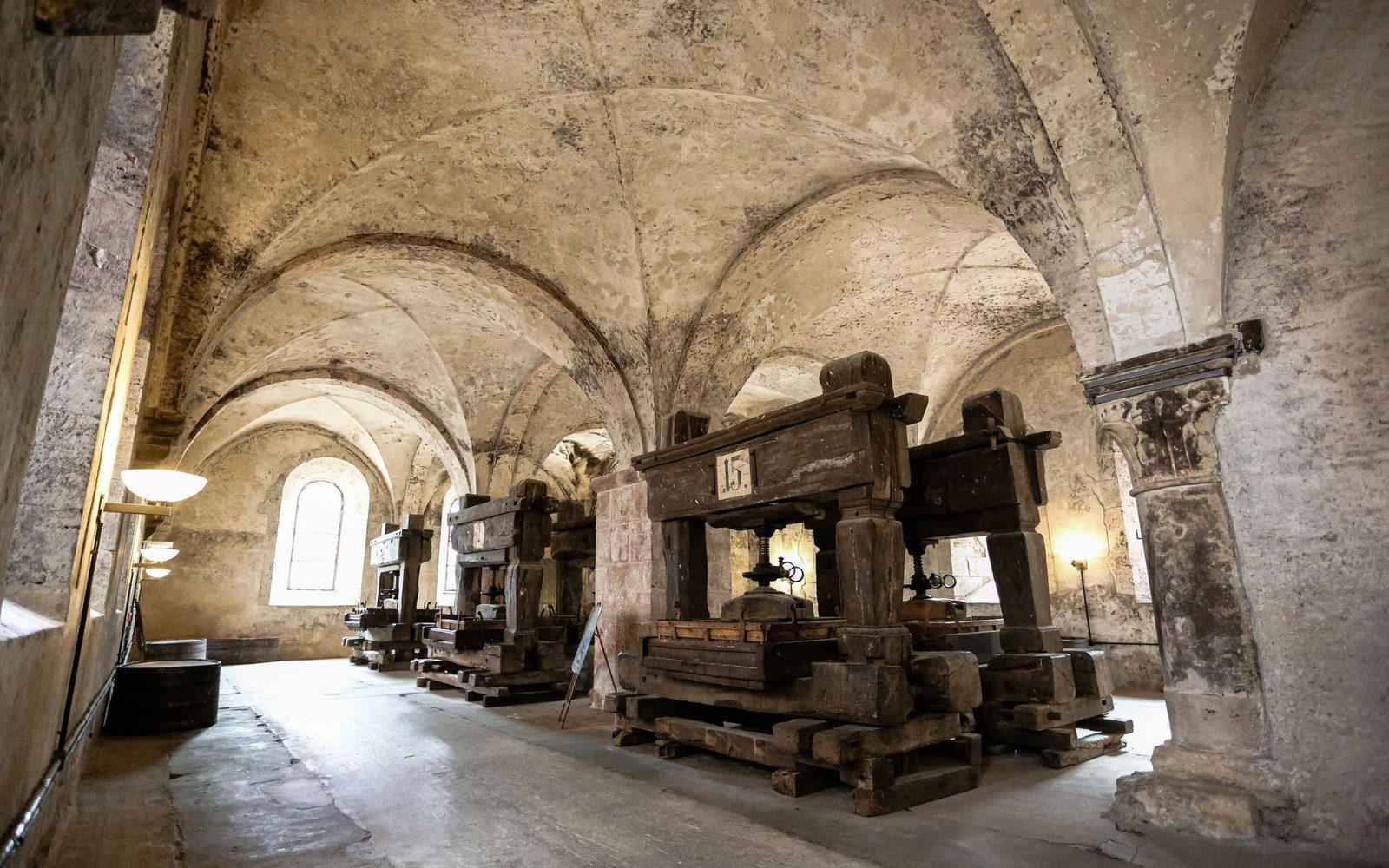
Van Houten's press (1828), Fry's first moulded bar (1847), Daniel Peter and Henri Nestlé's milk chocolate (1875), and Rodolphe Lindt's conche (1879) — each given a paragraph of real context, not a timeline row.
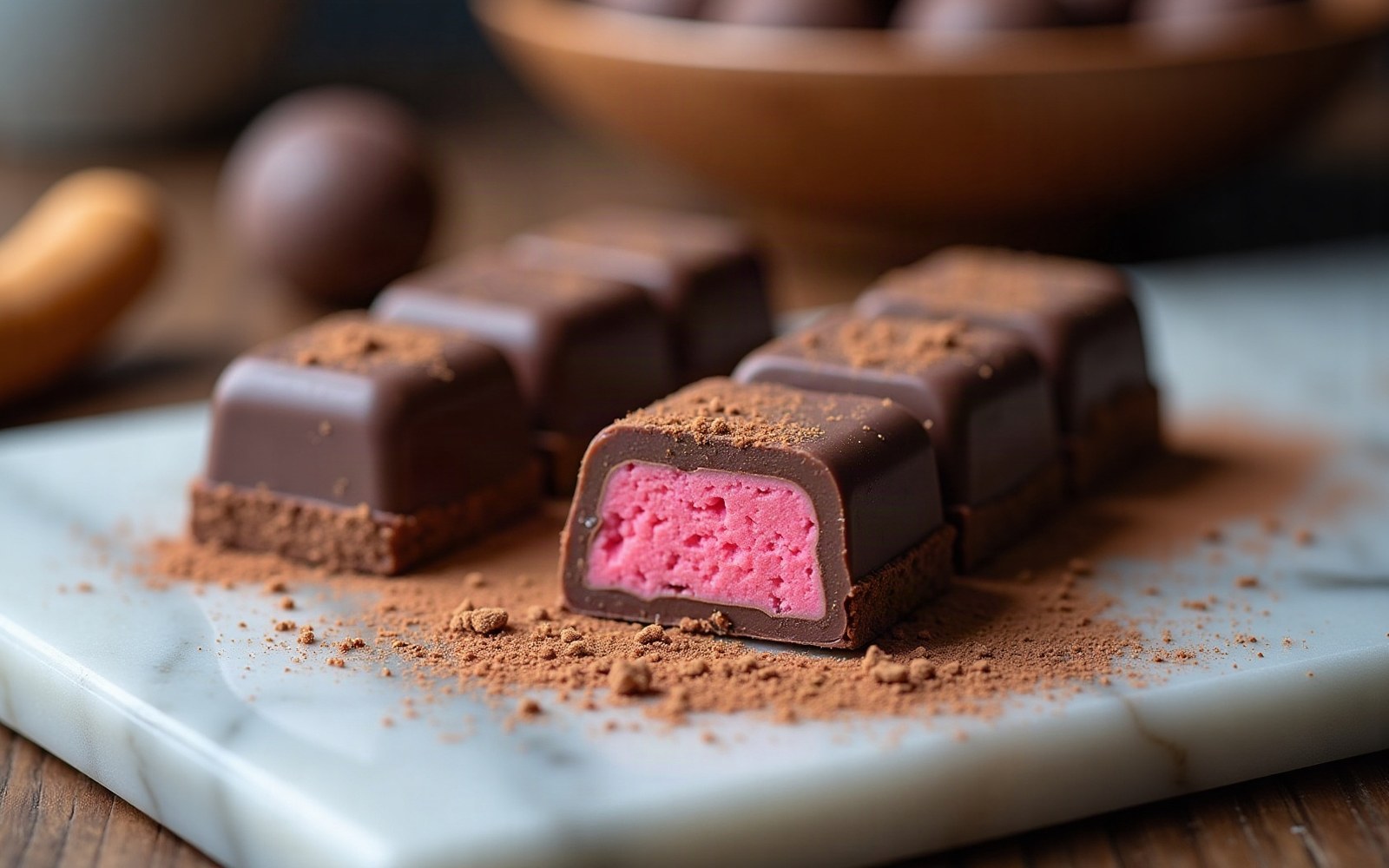
Barry Callebaut's ruby cocoa bean process — what RB1 processing actually does to the bean, why the colour and flavour are native rather than added, and how the product is positioned against dark, milk and white as a fourth category.
Fairtrade and Rainforest Alliance certification compared as schemes — what each standard requires of the farm, what the premium mechanism is, and what the Cocoa Barometer has said about whether either reaches the farmer in a price-spike year.