Front page / All sections

Section 2 of 4

At the Bench

Tempering, emulsion, bloom, seizing — the technique behind why chocolate behaves the way it does.

7 pieces Technique Every piece on the site
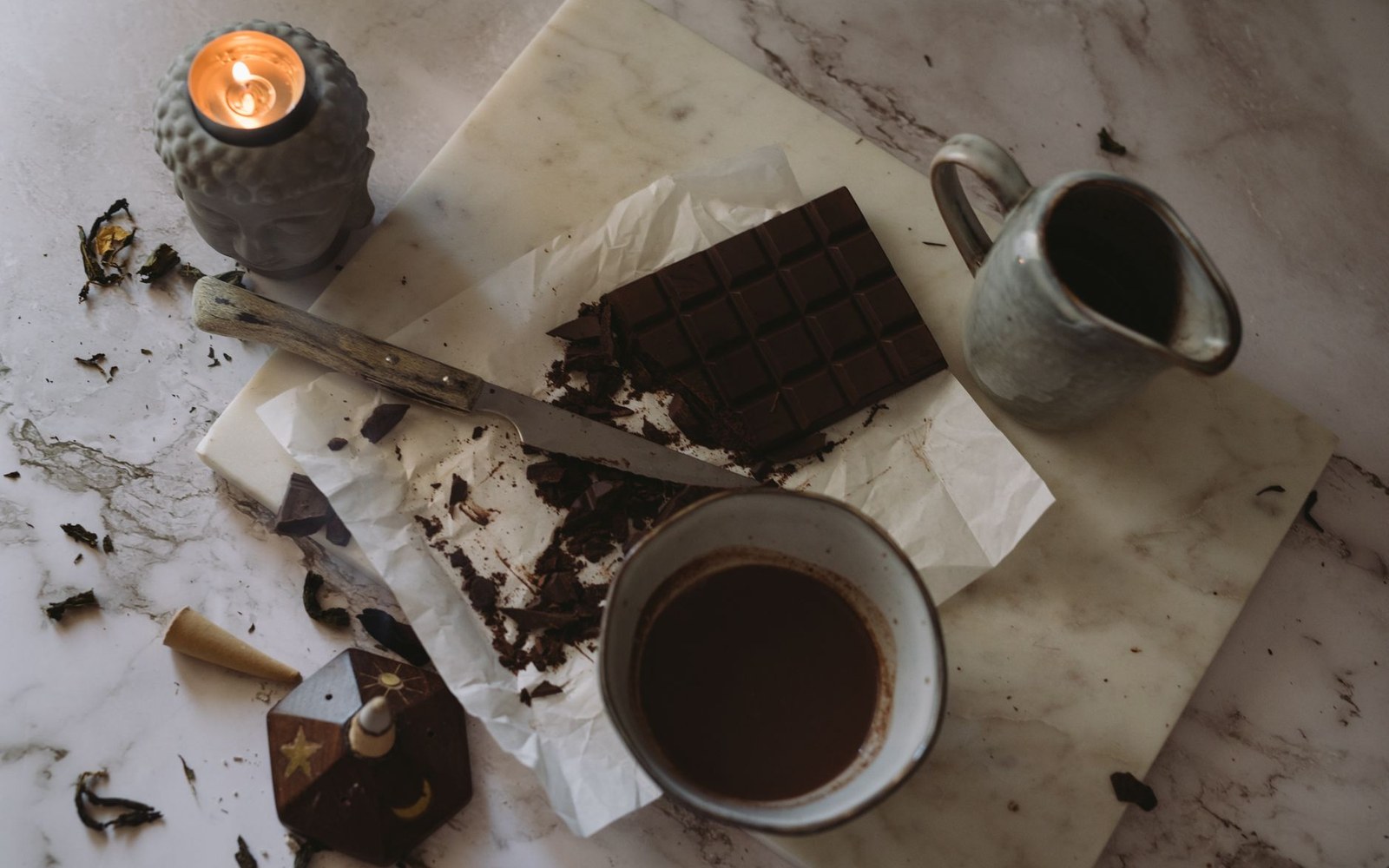
A broken dark chocolate bar on marble beside a cup of drinking chocolate, a knife and a lit candle, shot from above

Seeding method and tabling method described as two distinct procedures, each with its actual temperature curve (melt, cool, work, reheat), and a single practical test — a palette knife dipped and set — to confirm Form V was reached.

Photo: Leeloo The First / Pexels

  • A broken dark chocolate bar on marble beside a cup of drinking chocolate, a knife and a lit candle, shot from above

    Start here

    Two Ways to Temper, One Knife to Test It

    Seeding method and tabling method described as two distinct procedures, each with its actual temperature curve (melt, cool, work, reheat), and a single practical test — a palette knife dipped and set — to confirm Form V was reached. No theory before the steps.

    At the Bench · Technique

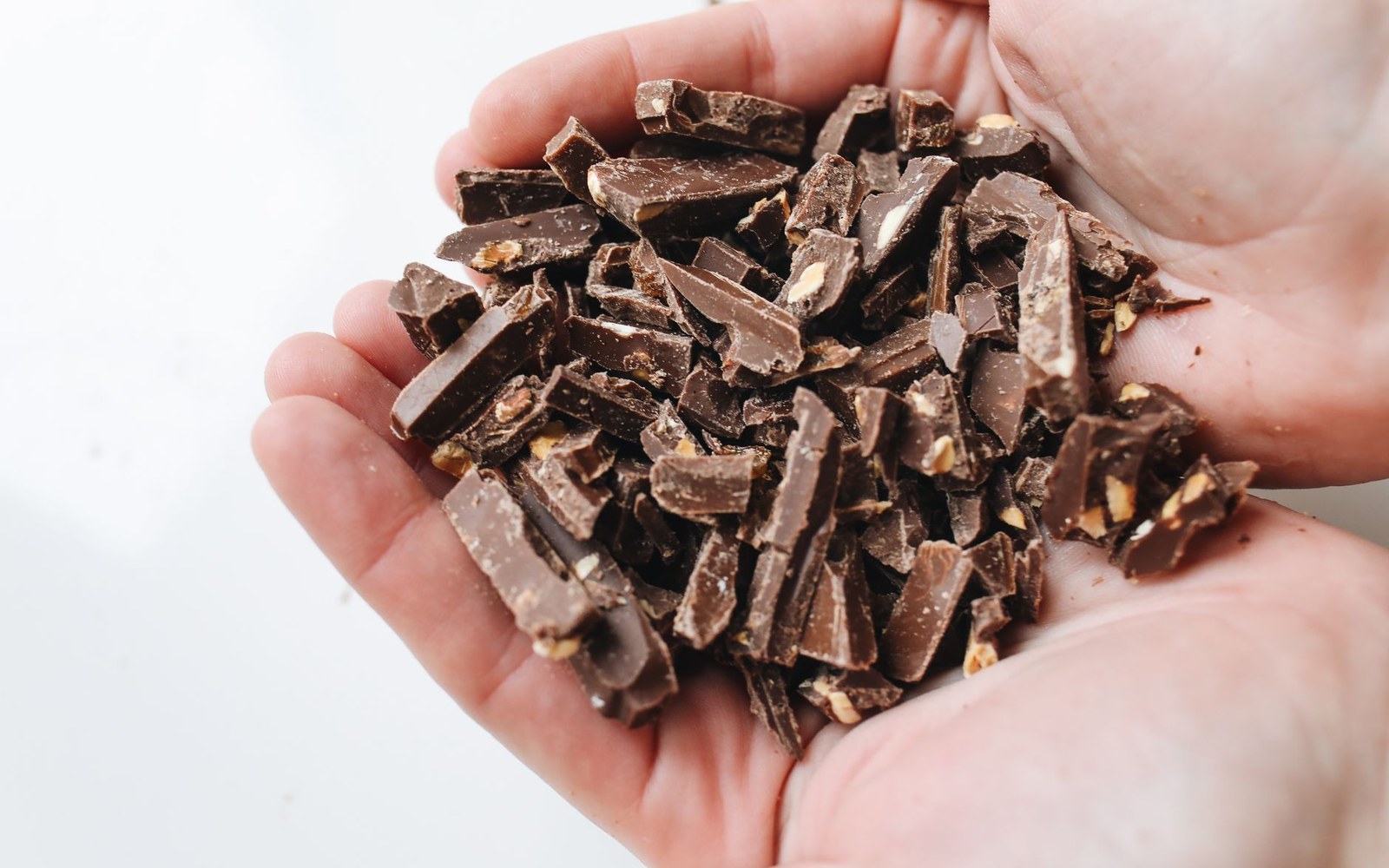
  • Two cupped hands holding roughly chopped dark chocolate

    Six Ways Cocoa Butter Can Solidify, and Why Only One of Them Snaps

    Cocoa butter's six crystal forms — I through VI — what each looks like and at what temperature it forms, and why Form V is the target: the snap, the gloss, the melt point just below body temperature. An explainer that earns its length.
    At the Bench · Technique

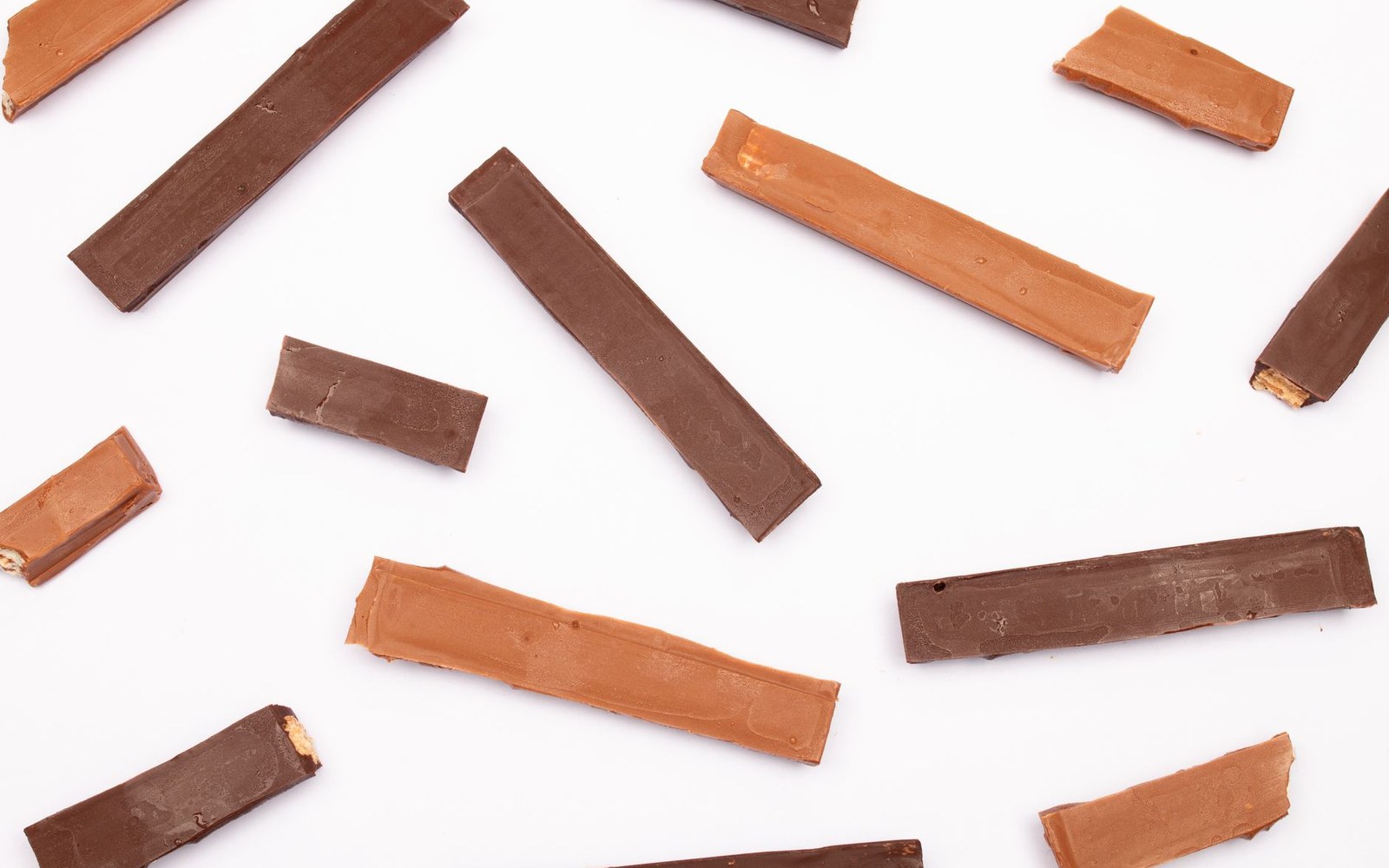
  • Chocolate fingers scattered on a white ground, several of them noticeably paler than the rest

    Bloom Is Not Mould — and the Two Kinds Are Different Problems

    Fat bloom versus sugar bloom: what each looks like under the surface, what causes each (unstable crystal form in one case, moisture condensation in the other), and whether a bloomed bar is safe to eat and temper from. A diagnostic piece written for someone holding a white-streaked bar.

    At the Bench · Technique

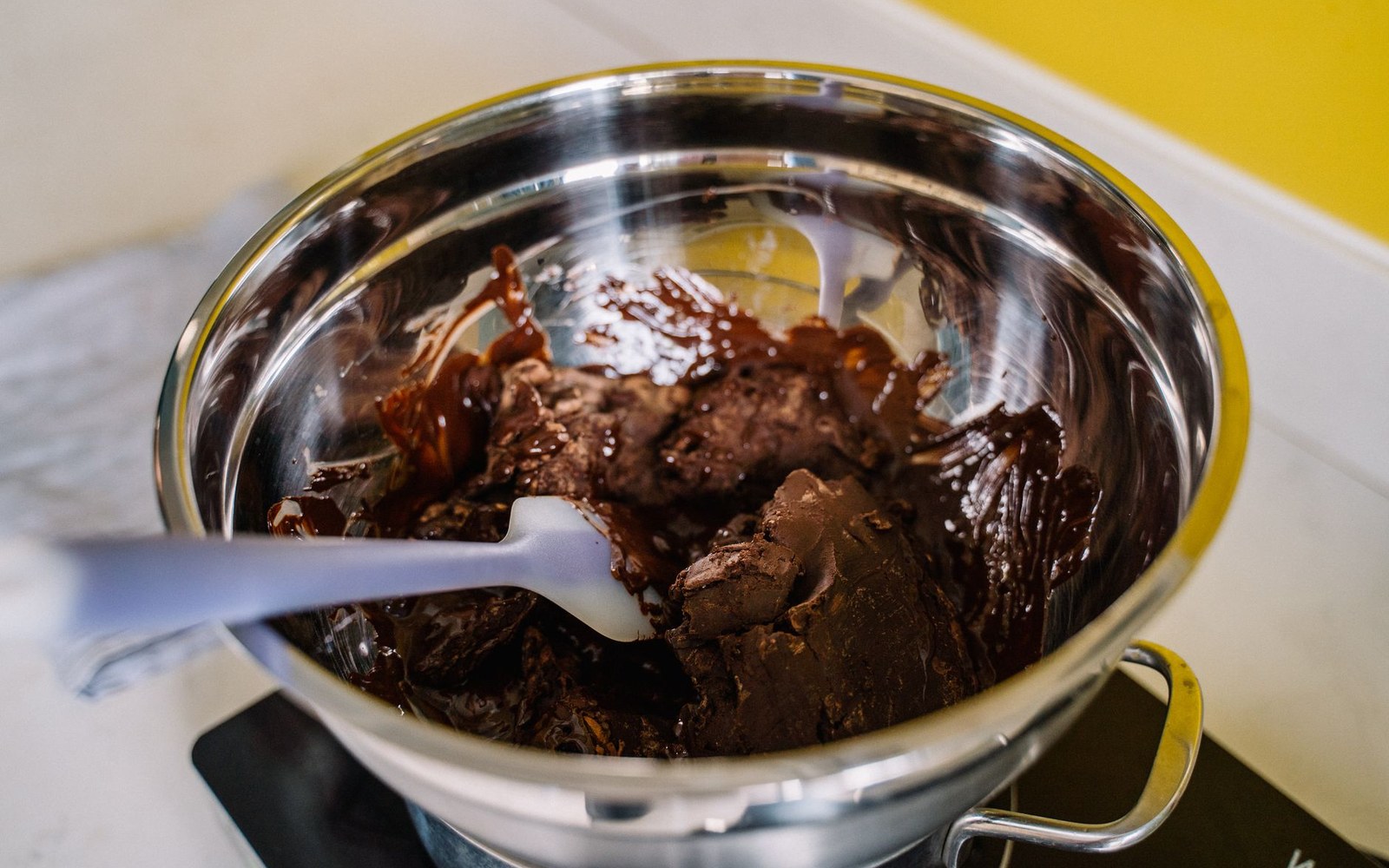
  • A metal bowl of thick, dull melted chocolate being worked with a spatula

    One Drop of Water and the Whole Bowl Turns to Paste

    Why chocolate seizes when a small amount of water hits it — the starch-and-sugar particle mechanism, why a large amount of liquid does not trigger the same effect, and how to recover a seized bowl by adding more liquid deliberately. Counter-intuitive and exactly right.

    At the Bench · Technique

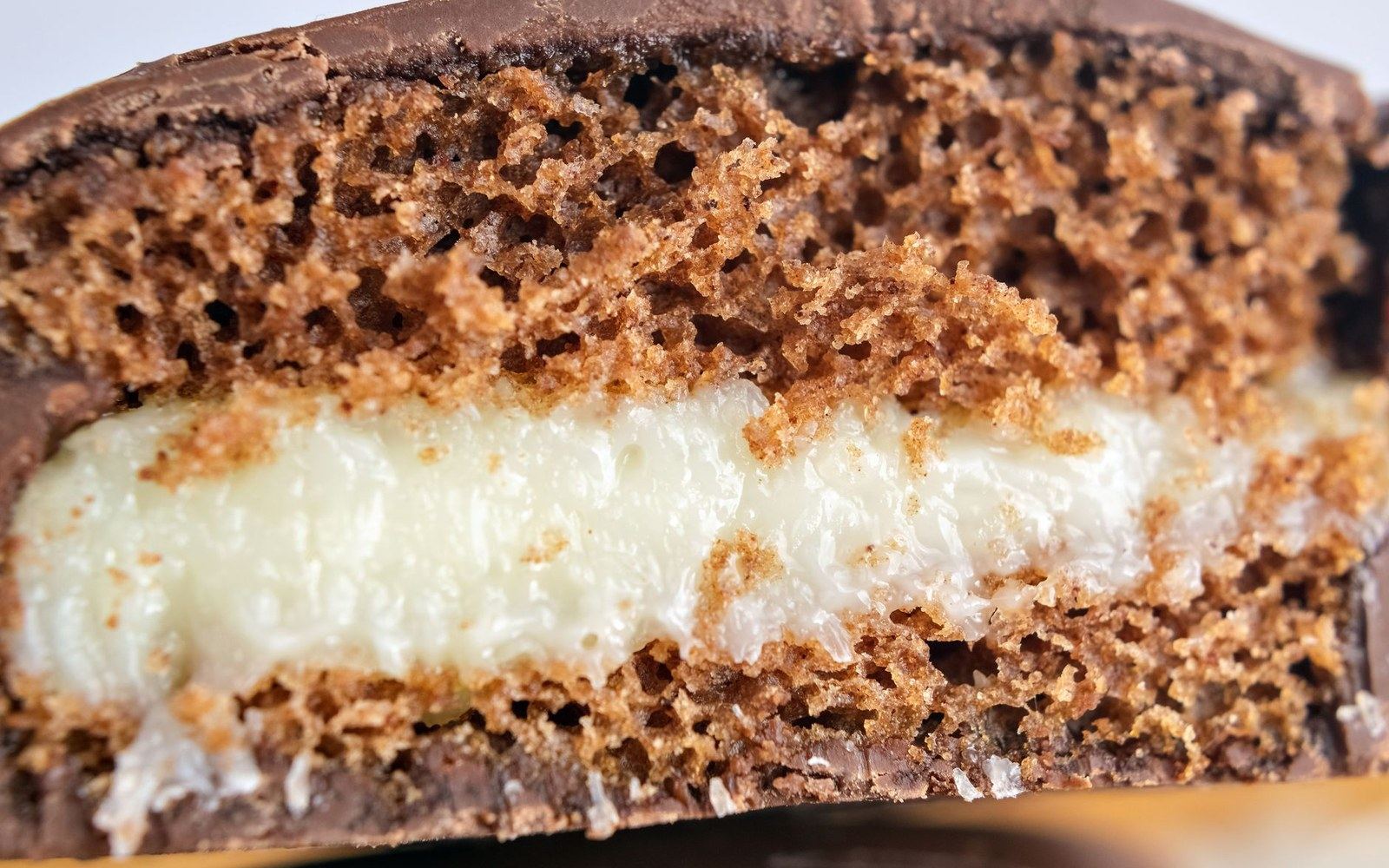
  • An extreme close-up cross-section of a chocolate-coated cake showing an open crumb and a pale cream layer

    Why Ganache Keeps and Why It Splits

    Ganache as a water-in-fat emulsion — what water activity means for shelf life, what fat crystallisation does to texture over time, and the two conditions (temperature shock and over-agitation) that cause a split. A comparison between a stable and an unstable ganache at the molecular level, briefly.

    At the Bench · Technique

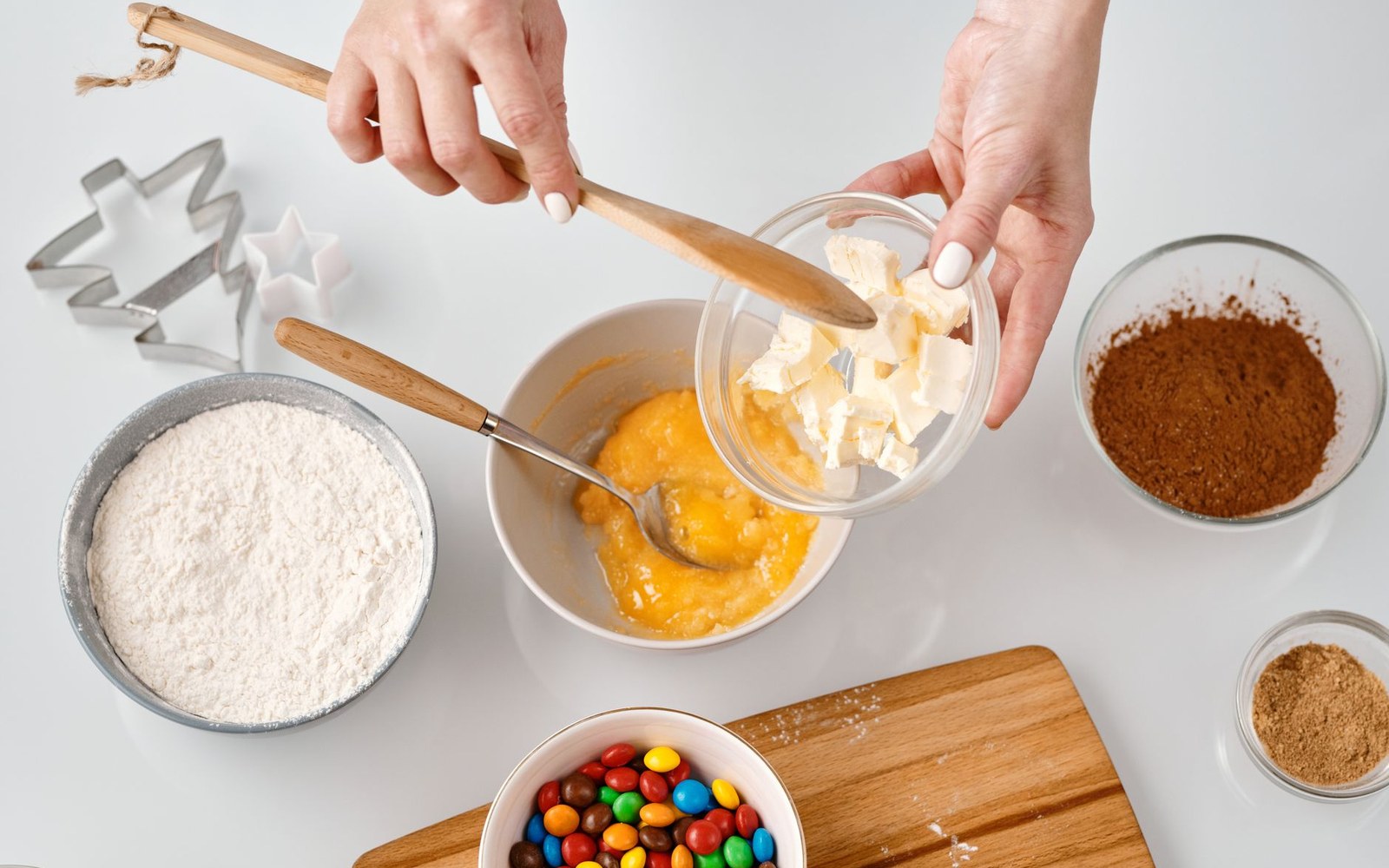
  • An overhead baking bench: hands mixing in a bowl, with flour, cocoa, beaten egg, butter and chocolate buttons alongside

    Natural Cocoa Is an Acid, and Your Baking Soda Was Counting on It

    Dutch-process versus natural cocoa — the alkalising step, what it does to colour and flavour, and why substituting one for the other in a recipe that uses baking soda produces a flat result. A practical argument for reading the label before you shop.

    At the Bench · Technique

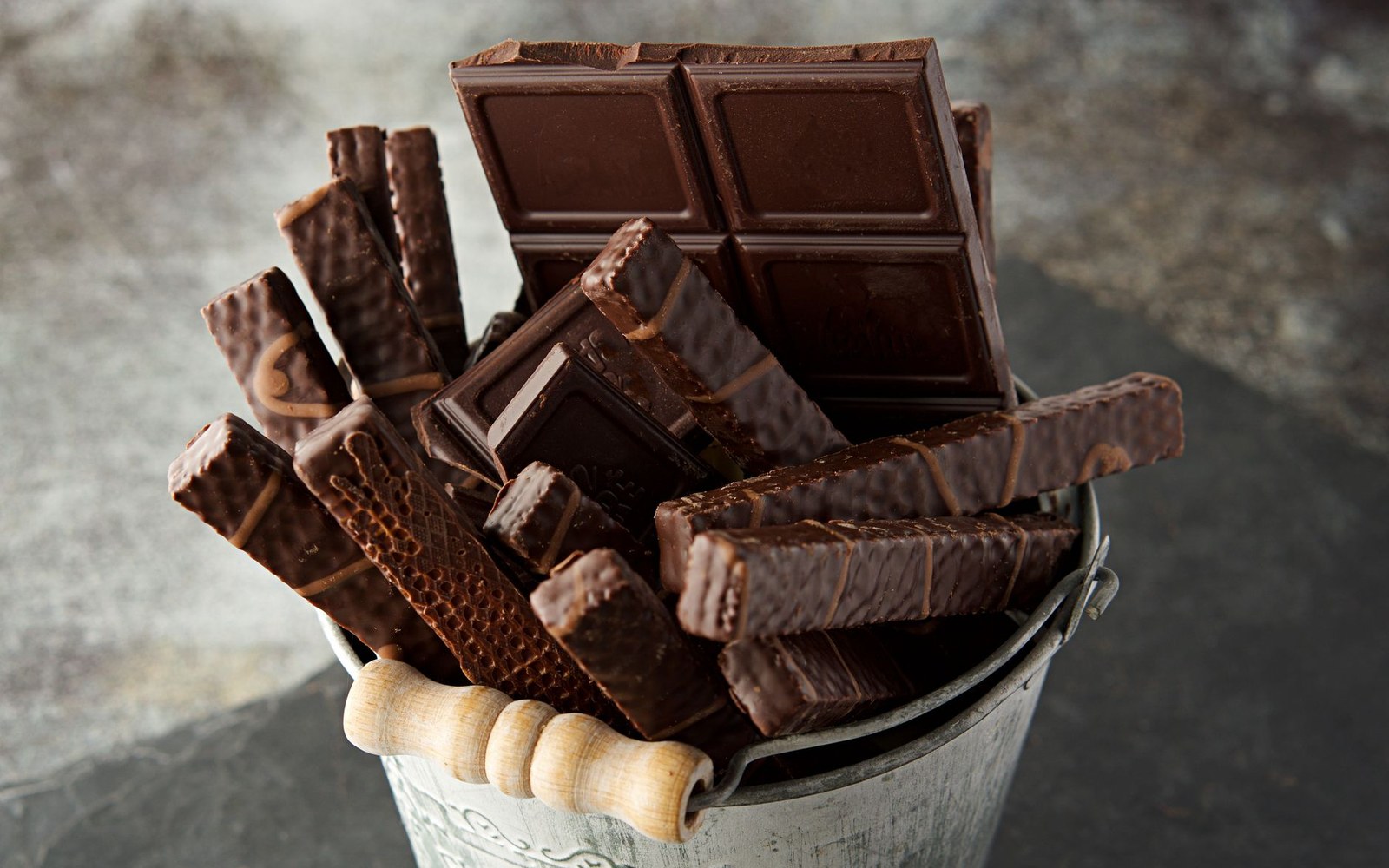
  • A metal bucket packed upright with dark chocolate bars and chocolate-coated wafer sticks

    Couverture and Compound: What the Cocoa-Butter Minimum Actually Means

    Couverture (legally defined cocoa-butter content, temper required) versus compound coating (vegetable-fat substitutes, no temper needed) — a direct comparison of what each is made from, what it costs to work with, and where compound is the sensible choice. Valrhona and Callebaut named as the pastry benchmarks; CBE substitution explained plainly.

    At the Bench · Technique