Front page / All sections

Section 4 of 4

Reference

Four named moments in chocolate history, and the standards — Fairtrade, Rainforest Alliance, ruby chocolate — worth knowing.

3 pieces Reference Every piece on the site
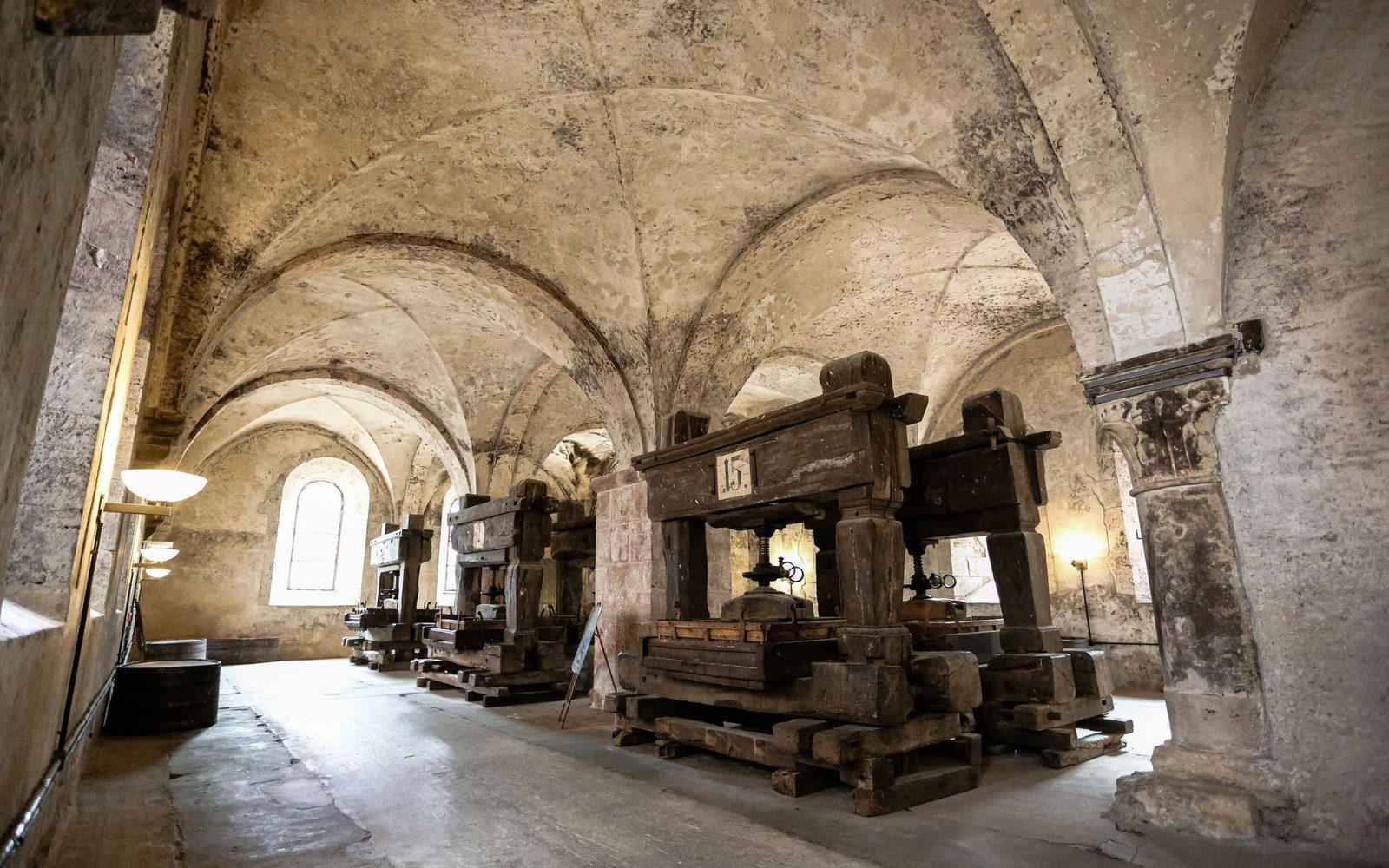
A vaulted stone hall with rows of large wooden screw presses

Van Houten's press (1828), Fry's first moulded bar (1847), Daniel Peter and Henri Nestlé's milk chocolate (1875), and Rodolphe Lindt's conche (1879) — each given a paragraph of real context, not a timeline row.

Photo: Ingrid W. / Pexels

  • A vaulted stone hall with rows of large wooden screw presses

    Start here

    Four Afternoons That Changed What Chocolate Is

    Van Houten's press (1828), Fry's first moulded bar (1847), Daniel Peter and Henri Nestlé's milk chocolate (1875), and Rodolphe Lindt's conche (1879) — each given a paragraph of real context, not a timeline row. The argument is that these four moments solved four different problems, and the solutions still run the industry.

    Reference · Reference

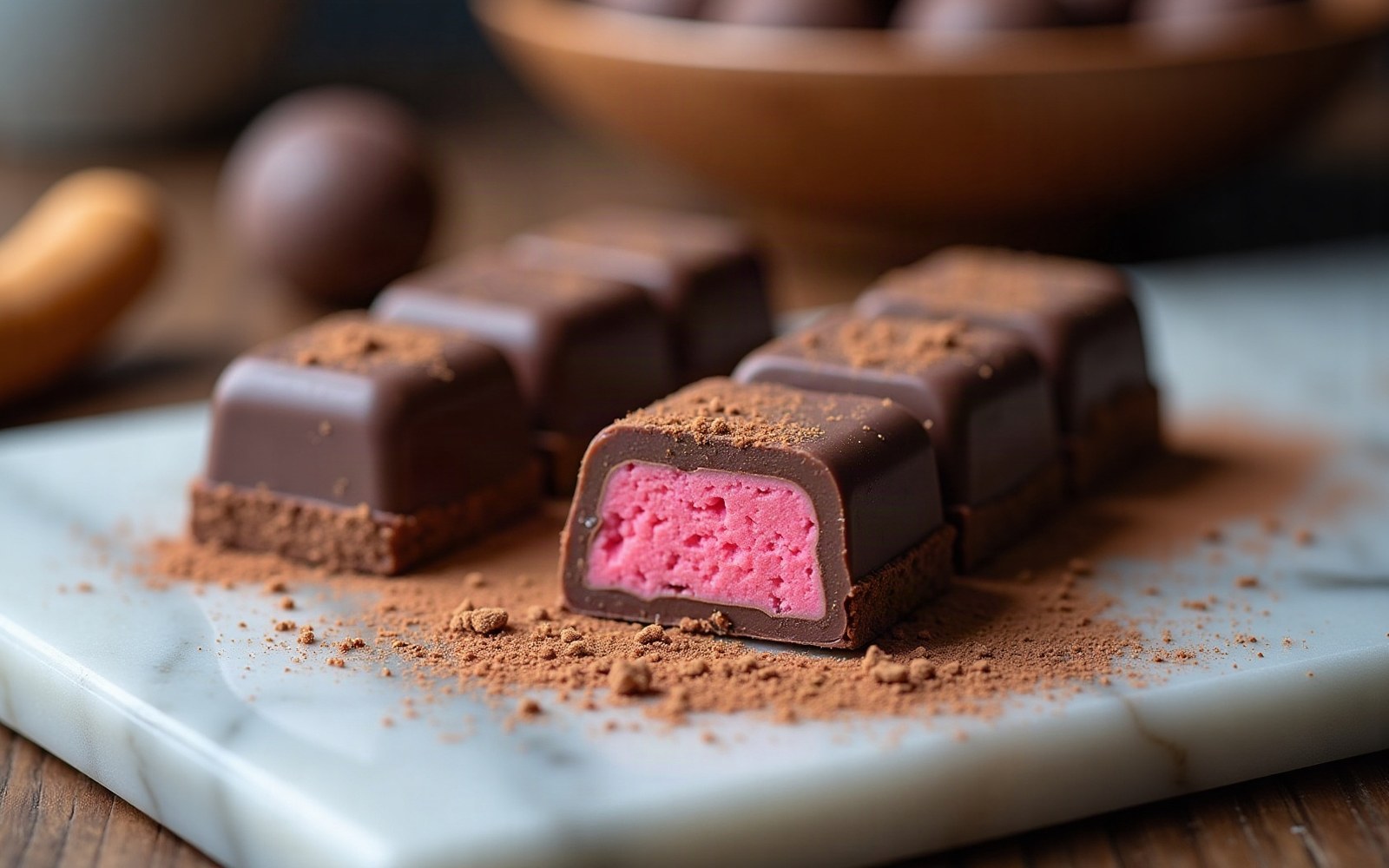
  • Chocolate truffles on a linen surface strewn with pink and white flowers and sprinkles

    Ruby Chocolate Was Announced in 2017, and the Berry Flavour Is Not Added

    Barry Callebaut's ruby cocoa bean process — what RB1 processing actually does to the bean, why the colour and flavour are native rather than added, and how the product is positioned against dark, milk and white as a fourth category. Patent and press release as primary sources, dated.
    Reference · Reference

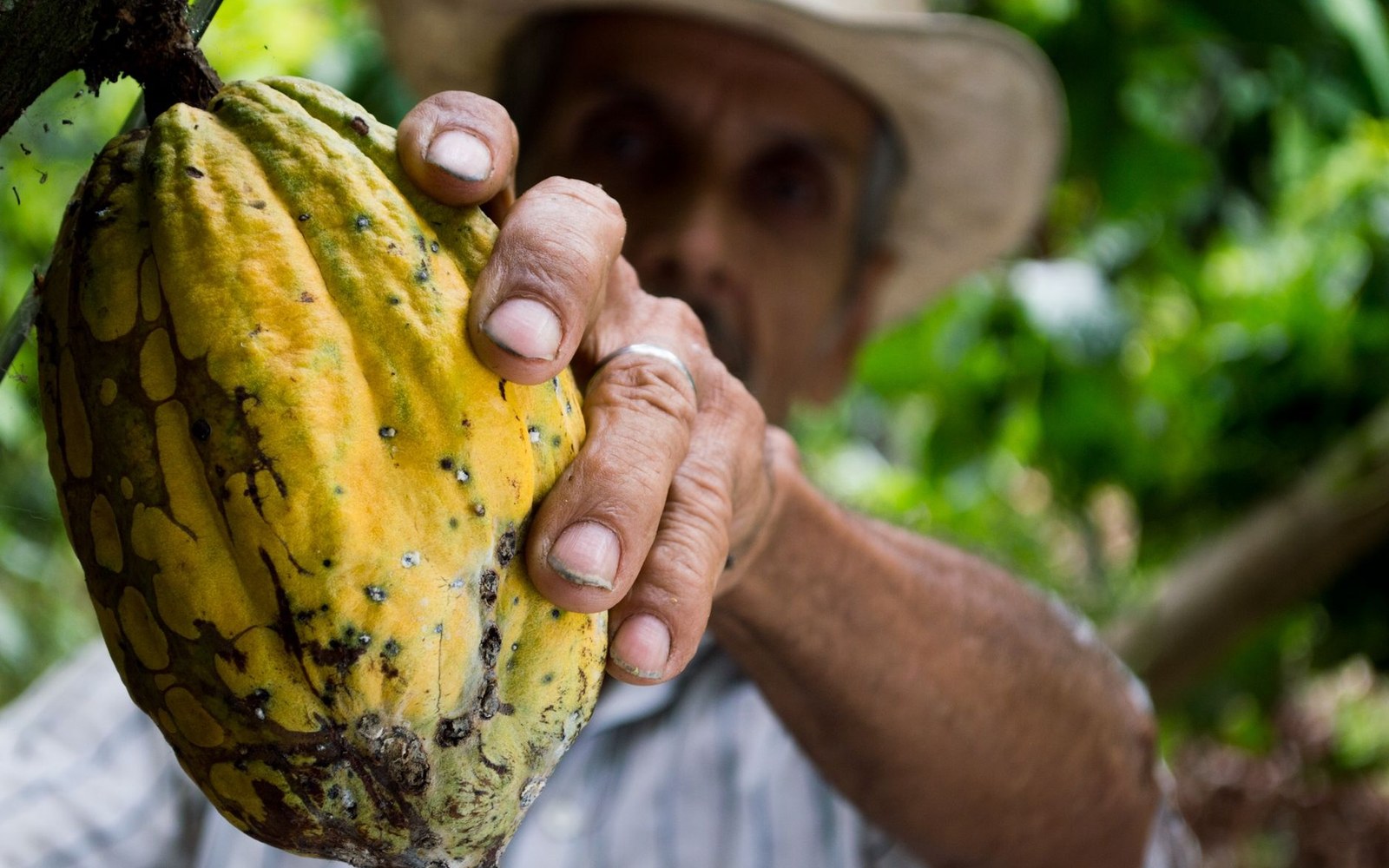
  • An older farmer in a straw hat holding a ripening yellow cacao pod on the tree

    Two Logos on the Wrapper, Two Different Promises

    Fairtrade and Rainforest Alliance certification compared as schemes — what each standard requires of the farm, what the premium mechanism is, and what the Cocoa Barometer has said about whether either reaches the farmer in a price-spike year. Not a recommendation; a description of what each mark means.

    Reference · Reference