Reference · Reference
Four Afternoons That Changed What Chocolate Is
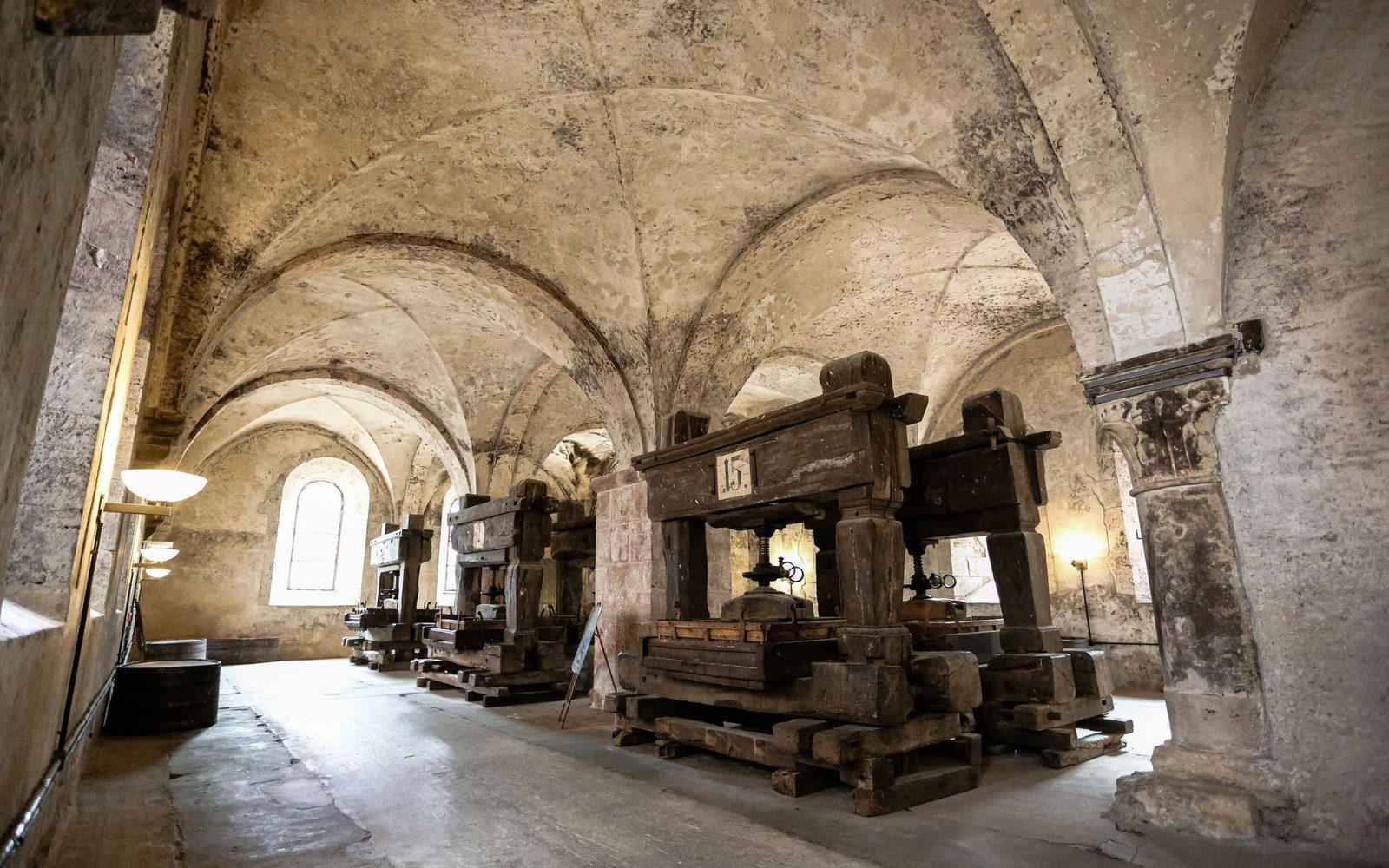 Plate 23
Pressing is the step that made powder possible, and the principle van Houten patented in 1828 has not changed.
Photo: Ingrid W. / Pexels
Four inventions across fifty years solved four separate problems — and between them they built every chocolate bar made today.
The Problems, In Order
Until 1828, chocolate was something you drank. Roasted cacao beans were ground into a paste with sugar and spices, then stirred into hot water or milk, and the result was thick, fatty, and difficult to make consistent. The fat — cocoa butter — sat unevenly in the liquid, turning the drink greasy and separating on cooling. Coenraad Johannes van Houten, a Dutch chemist working in Amsterdam, solved this with a hydraulic press that squeezed roughly half the cocoa butter out of the liquor, leaving behind a dry cake that could be pulverised into powder. Van Houten also treated the powder with an alkalising solution of potassium carbonate — the step that would later define Dutch-process cocoa — neutralising its natural acidity and producing a darker, more soluble product. The press made cocoa powder; the powder made cocoa butter a by-product in industrial quantities; and that surplus cocoa butter is what made the next three inventions possible.
The problem J. S. Fry & Sons addressed in 1847 was physical: nobody had yet made chocolate you could bite rather than sip. The firm, based in Bristol and already one of Britain's major cocoa processors, mixed cocoa powder with sugar and enough melted cocoa butter — available cheaply now, partly because of van Houten — to produce a paste that could be poured into a mould and would set hard on cooling. Joseph Fry, the firm's founder, had died long before this; it was his descendants running the firm. What they made was not particularly smooth by modern standards, but it was the first chocolate bar: a thing to unwrap and eat with your hands. The eating-chocolate industry was born in that mould, and everything since has been a refinement of the same principle.
The refinement that mattered most commercially came from Switzerland. Daniel Peter, a candle-maker turned chocolate manufacturer working in Vevey, had spent years trying to add milk to eating chocolate. Milk in liquid form introduced too much water, causing the mixture to seize and spoil. His neighbour Henri Nestlé had recently developed a powdered milk product — dried to a low-water powder through evaporation — and Peter recognised that powdered milk sidestepped the moisture problem entirely. By 1875, after years of failed attempts, Peter achieved a stable milk chocolate ↗ by working Nestlé's condensed milk into the chocolate mass. The result was milder, sweeter, and far more palatable to the general public than bitter dark chocolate. It also opened a mass market that would eventually dwarf the fine-chocolate sector entirely.
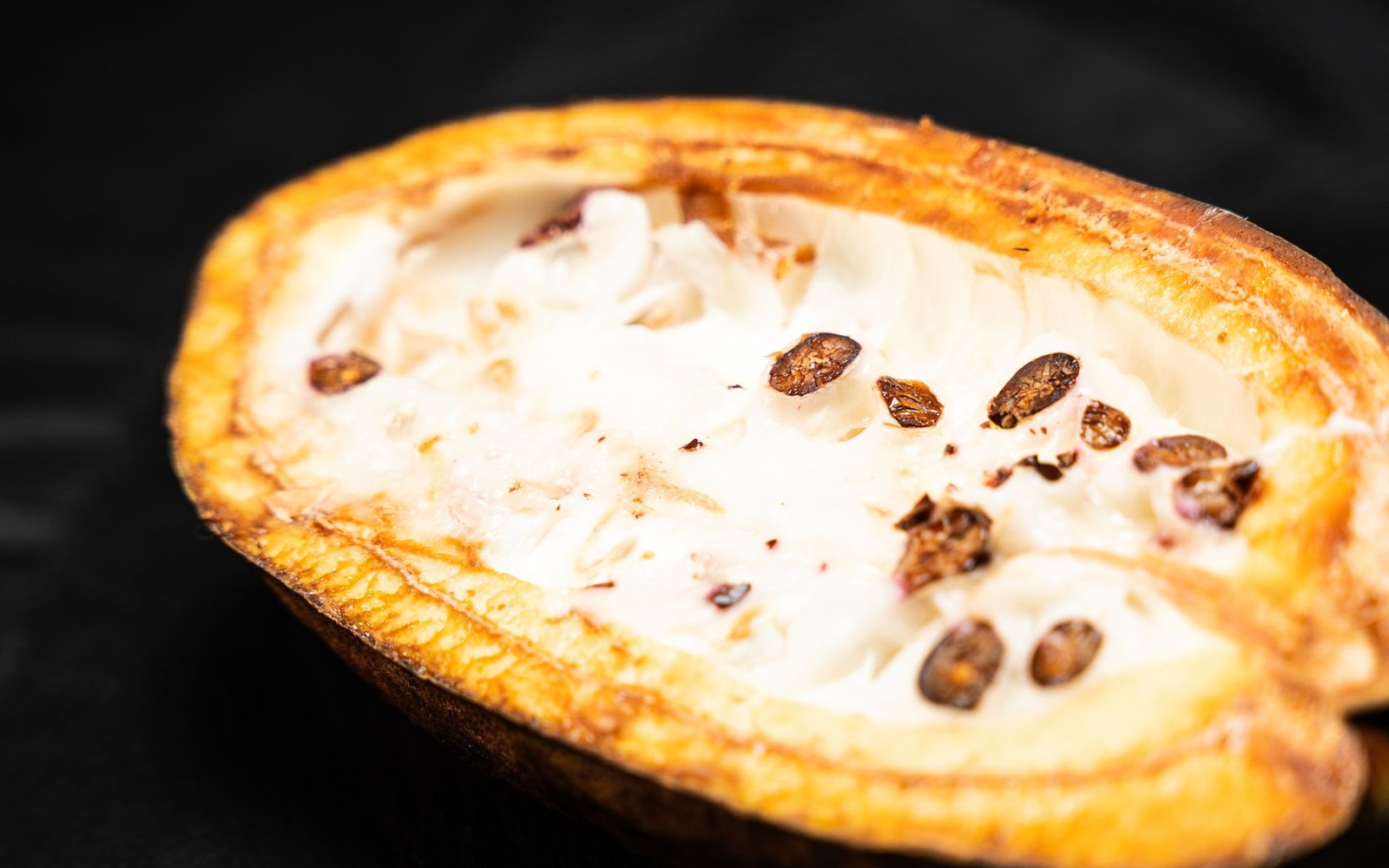
The seeds taste of almost nothing at this stage. Four days of fermentation in that white pulp is what makes them taste of chocolate.
Photo: Aaron H Ch / Pexels
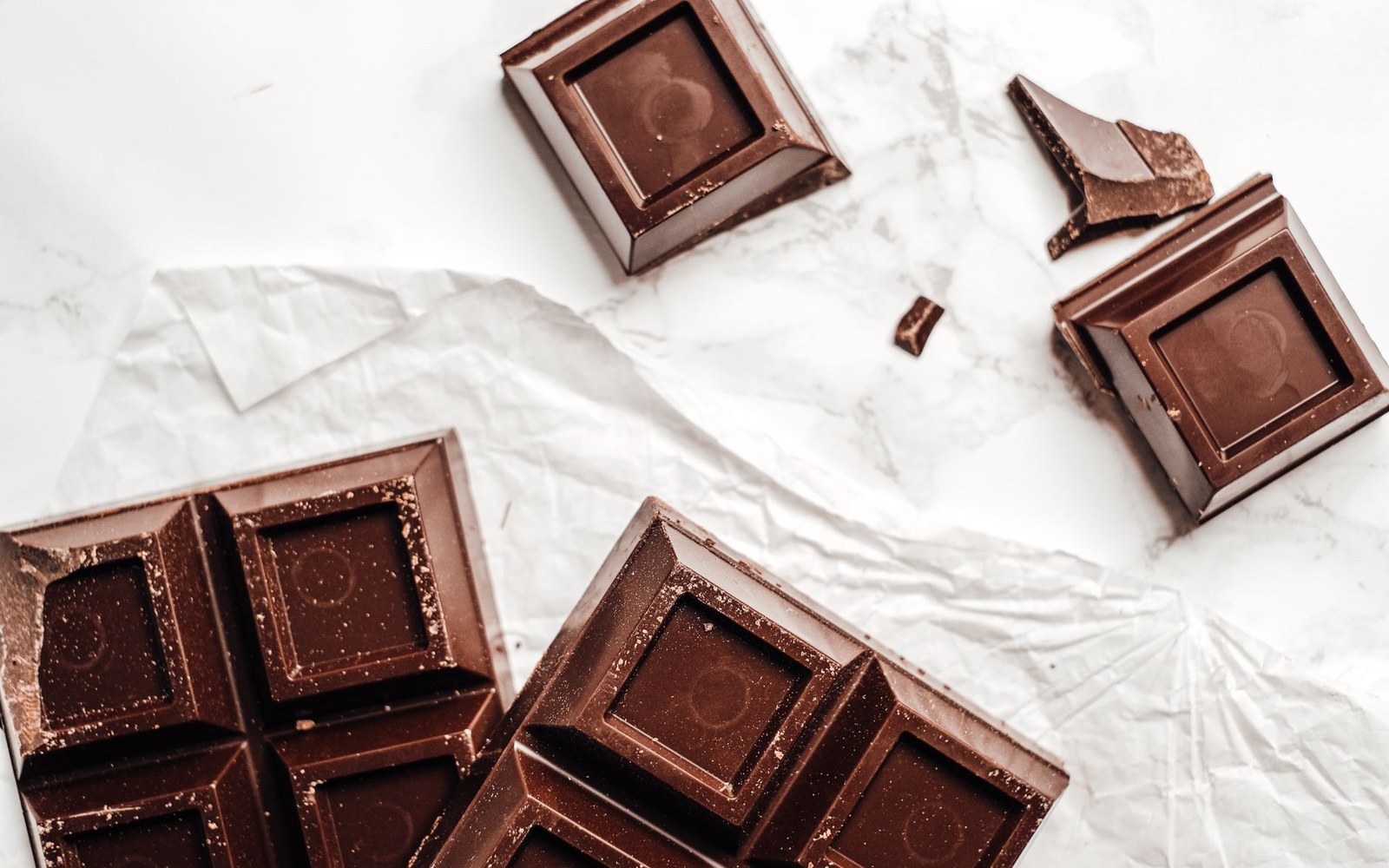
Fat bloom: cocoa butter that recrystallised out of Form V. Harmless, still edible, and the bar can be melted and tempered again.
Photo: Vie Studio / Pexels
What it did not yet produce was texture. Even well-made chocolate of the 1870s was grainy, with a short, sandy mouthfeel caused by poorly developed fat and flavour compounds. Rodolphe Lindt, working in Berne, discovered the solution almost by accident in 1879. He left his mixing machine running over a weekend — accounts differ on whether this was oversight or experiment — and returned to find that the prolonged agitation had transformed the paste. Conching, as the process became known after the shell-shaped vessel Lindt used, drives off volatile acids, distributes cocoa butter evenly around every sugar and cocoa particle, and develops the smooth, flowing texture that defines modern chocolate. Lindt later sold the patent to Rodolphe Lindt & Sprüngli, the company that still carries his name. Without conching, couverture — the high-cocoa-butter professional standard used in every serious bakery — would not exist.
What the Fifty Years Left Behind
Van Houten gave the industry surplus fat and a soluble powder. Fry showed that the fat could set hard in a mould. Peter and Nestlé proved that milk solids could be incorporated without wrecking the mixture. Lindt made the result worth eating slowly. Each solution depended on the one before it: the cocoa butter Fry needed came from van Houten's press; the dry milk Peter needed came from Nestlé's condensed-milk work; the smooth flow Lindt's conch achieved required the fat that van Houten had freed. The chain is clean and continuous. Strip out any one of these four afternoons and the $130 billion global chocolate industry, under pressure from harvest failures in West Africa and regulatory change in Brussels, looks structurally different.
More from Reference