Recipes · the one that decides everything
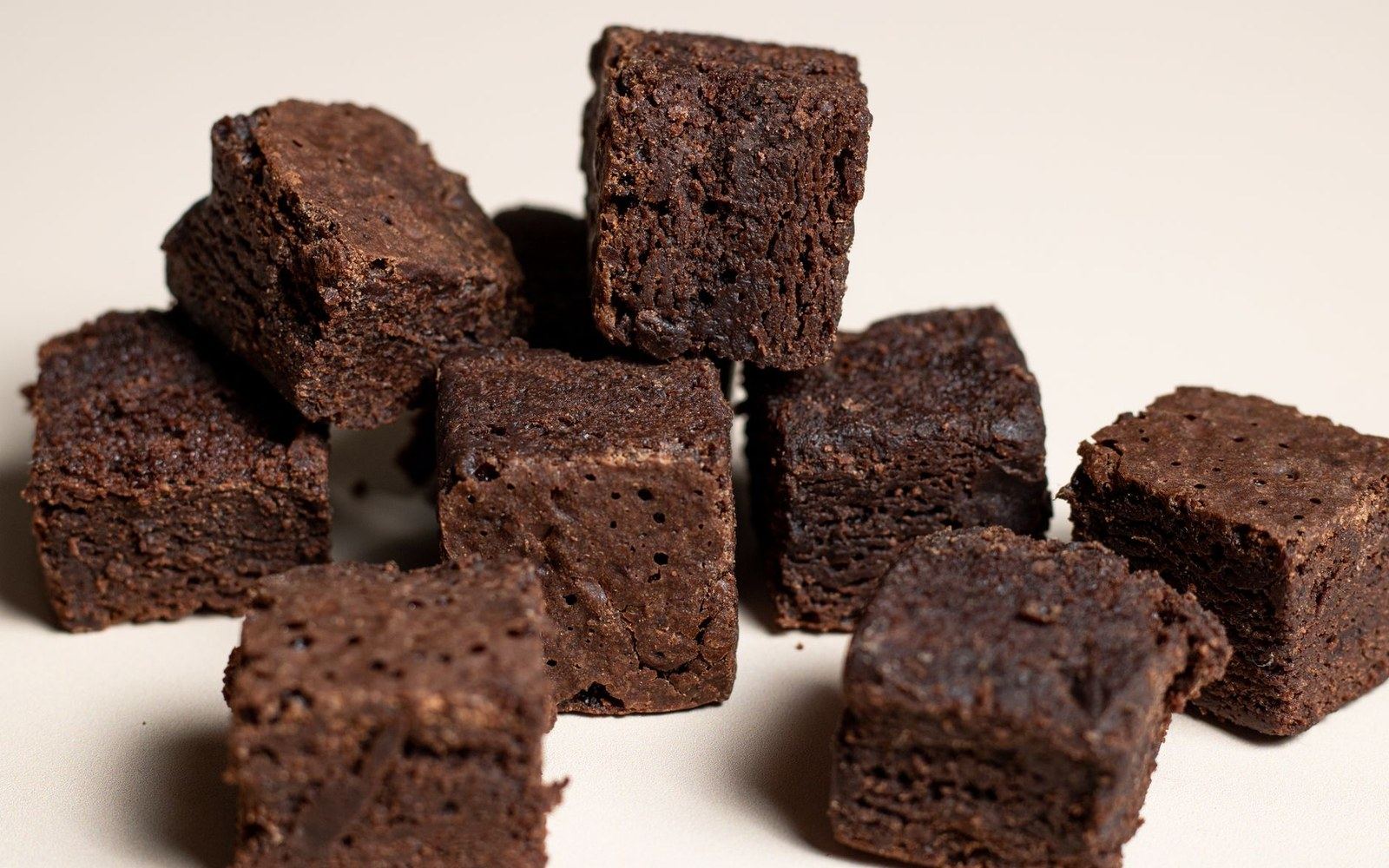
Fudgy or cakey is one number, and it is the flour
Keep the flour at 90 g against 175 g of butter and the tray comes out dense with a papery, glossy top. Take it to 150 g and you have made a chocolate cake in a square tin. Both recipes are written out.
Cook itRecipes
Start with the one everything else is built on
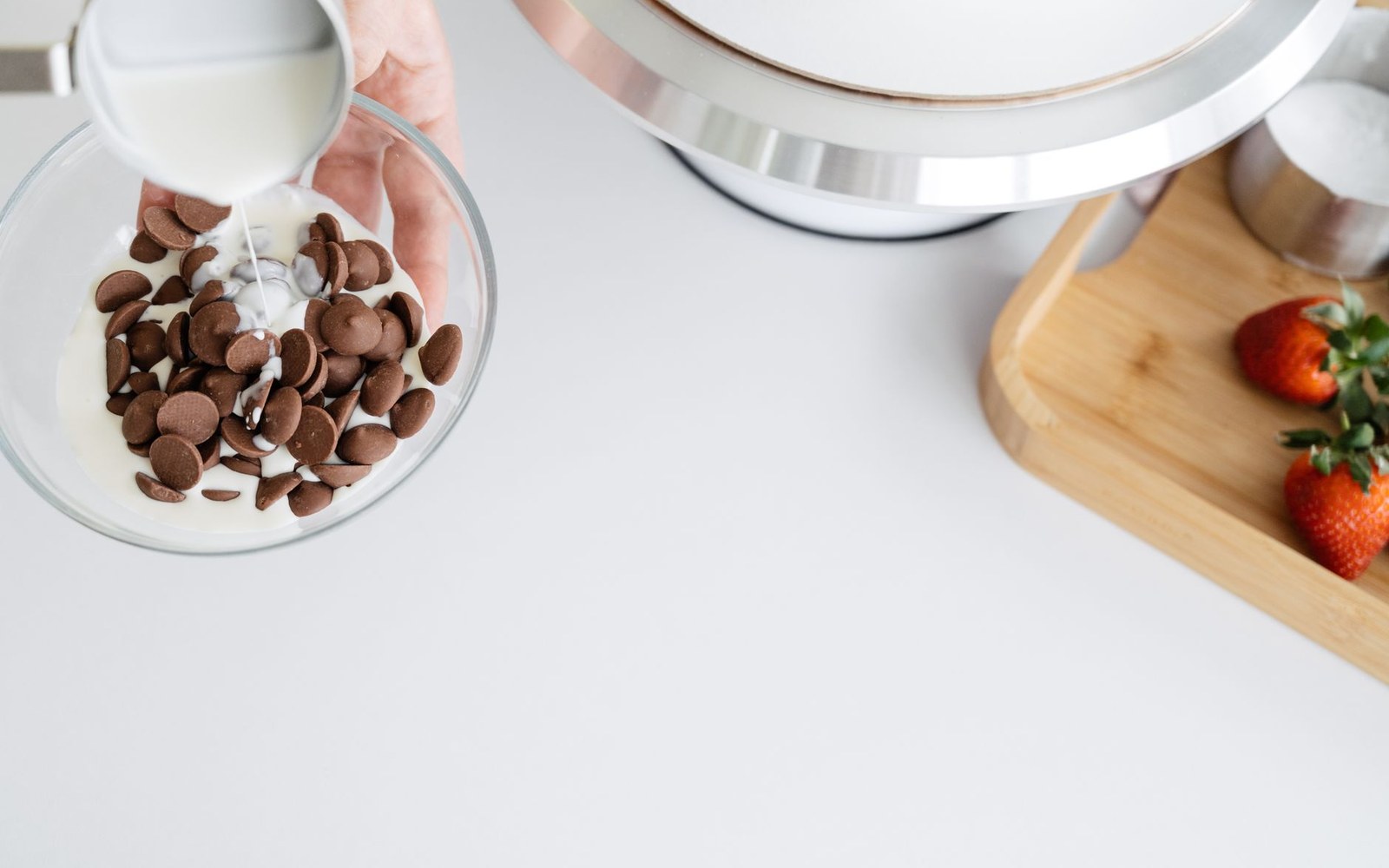
Ganache Is Three Recipes Wearing One Name
1:1 sets sliceable and fills a tart. 2:1 stays pourable and glazes a cake. 1:2 sets firm enough to pipe. Same two ingredients; the ratio is the recipe.
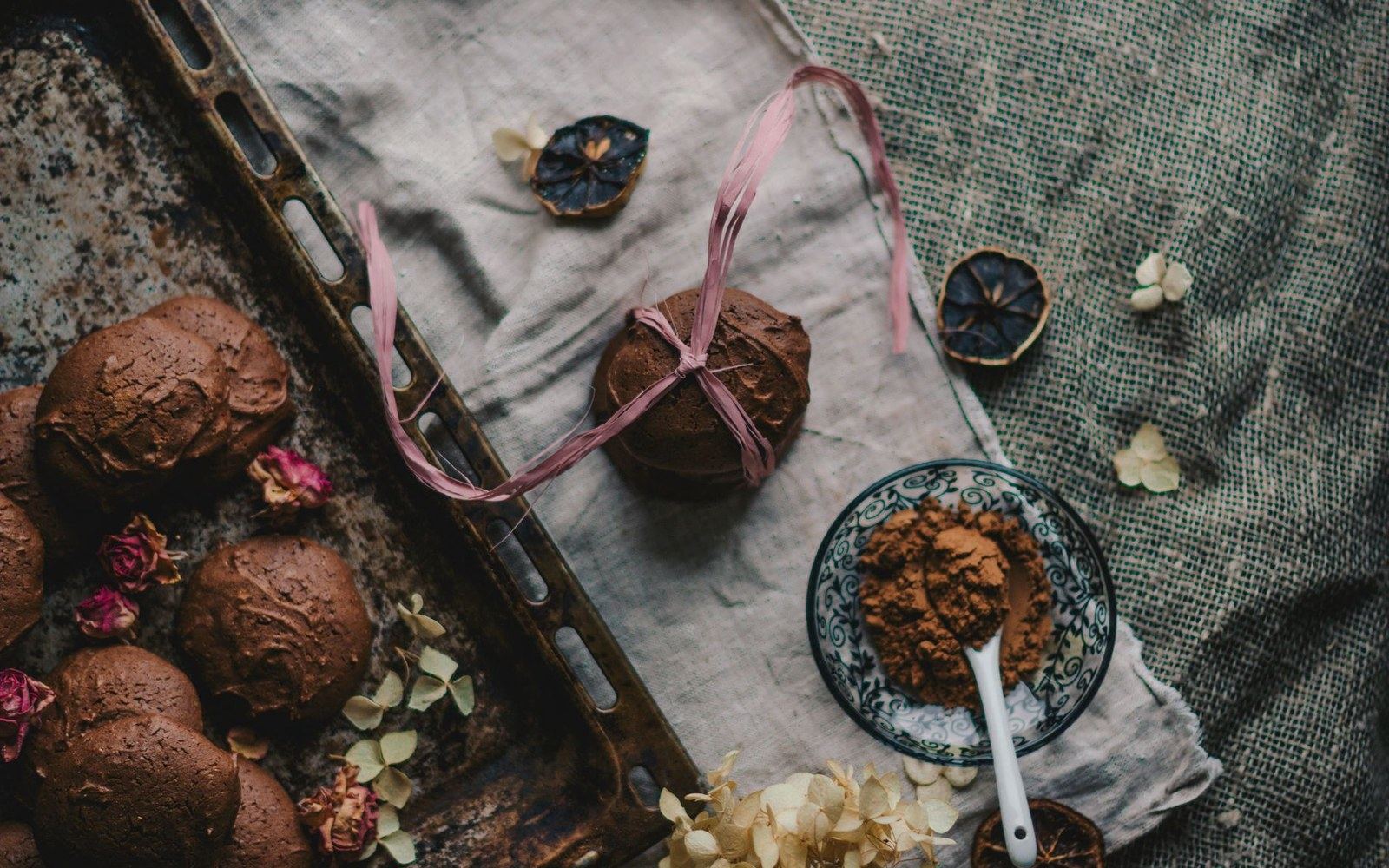
How to Roll a Truffle Without Losing Half of It
Set time, palm temperature, and the two finishes that behave differently.
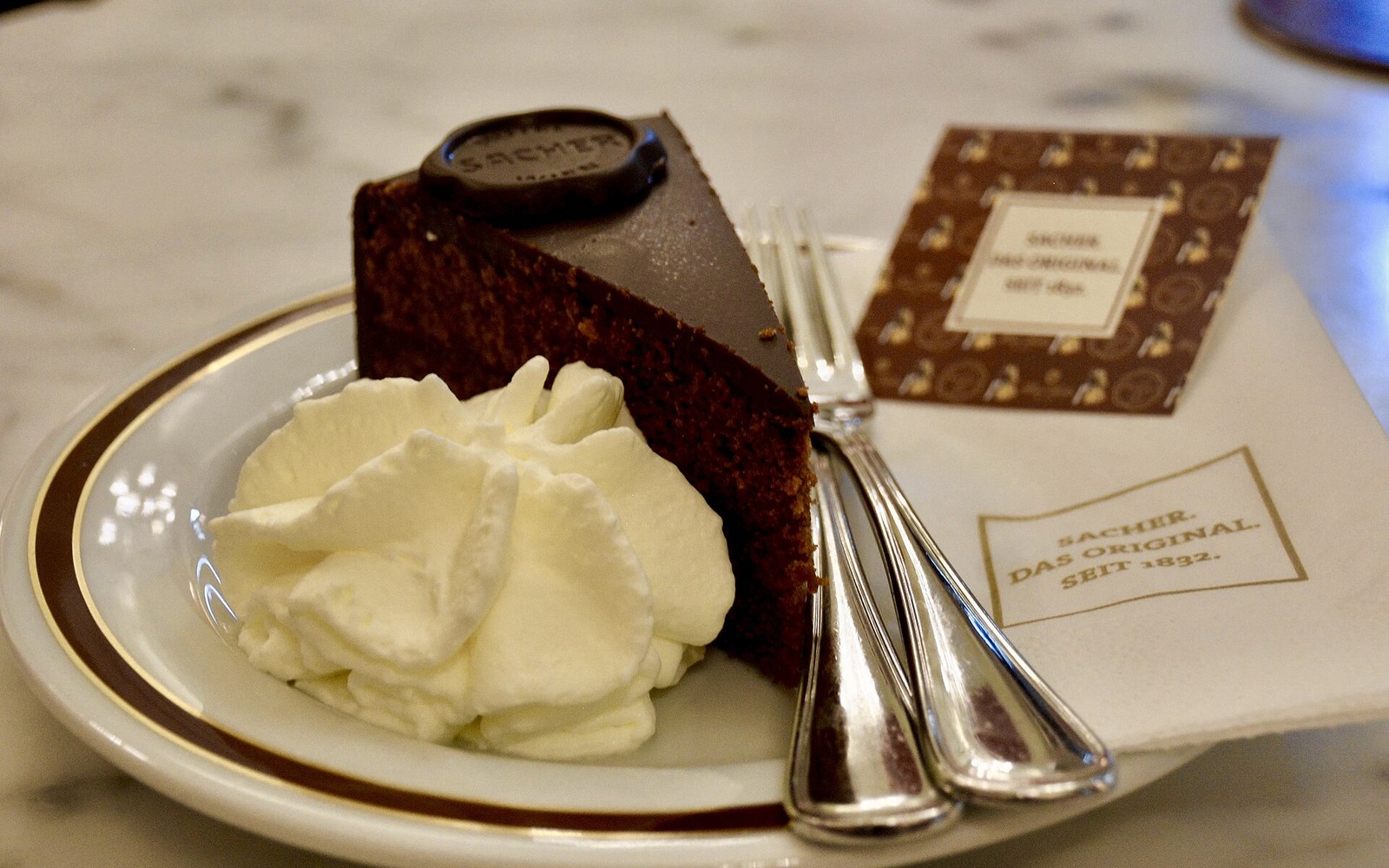
Sachertorte, and the Apricot Layer That Holds It Together
The jam is structural. The glaze goes on at 37 °C, in one pass.

Thick Enough to Stand a Spoon In, and the Cornflour Is Not Cheating
Spanish a la taza and Italian cioccolata calda, side by side.
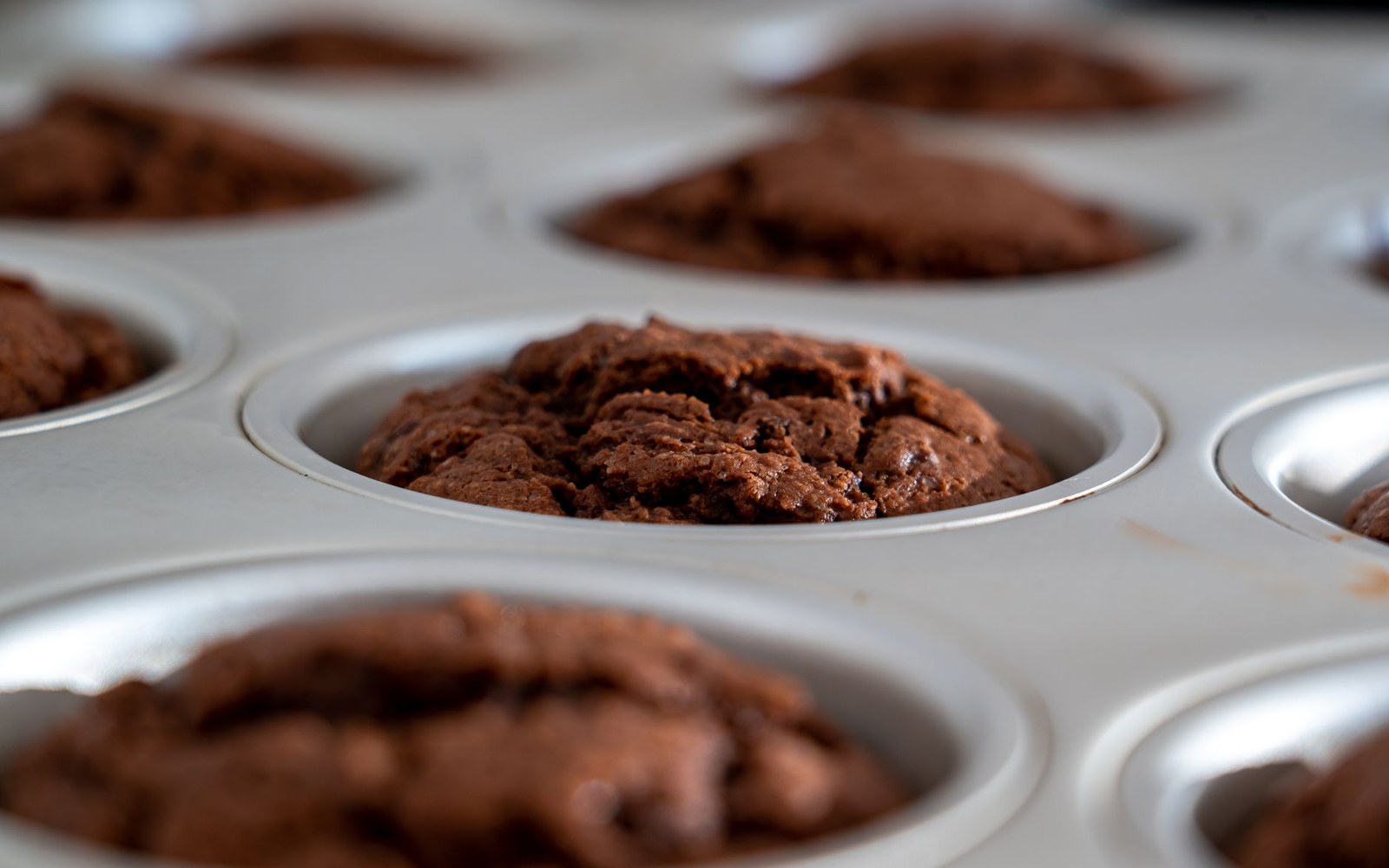
Molten Cake: Chilled Moulds, 220 °C, Nine Minutes
Two variables you can actually control, and a window about ninety seconds wide.
At the Bench · the long piece
Two ways to temper, one knife to test it
Seeding and tabling are two different procedures that arrive at the same place. Dark chocolate melts out at 45 °C, comes down to 28 °C and is held at 31–32 °C — and the only test that matters is a palette knife dipped, set for three minutes, and looked at. Matt or streaked means start again.
Cocoa butter can solidify six different ways. Only Form V melts at 33.8 °C — just under the mouth, just over a warm room — and only Form V snaps.
Read the method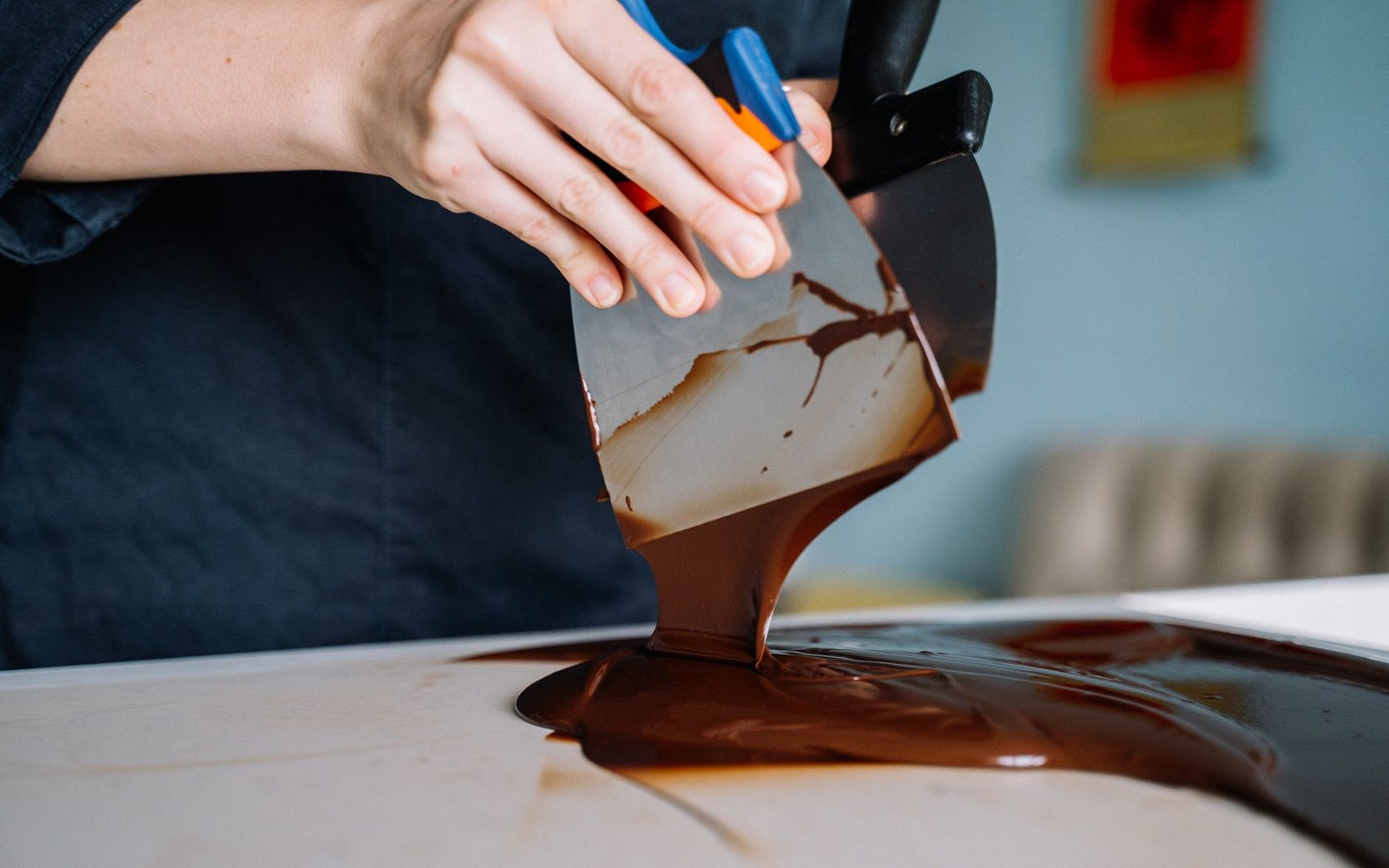
Tabling: the chocolate is worked across the cold slab until it thickens, then returned to the bowl to bring the whole mass into temper.
Photo: Anna Tarazevich / Pexels
A drop of water will seize a bowl of chocolate. A cup of it will not.
What Changed
Cocoa passed $10,000 a tonne in 2024, and the shelf has been catching up since
Two failed West African harvests took the price to roughly four times the level it had held for years. What a cook notices is smaller bars, more cocoa-butter-equivalent fat in coatings, and couverture priced like an ingredient rather than a staple.
Price: ICCO daily price, 2024 · Bar weights and fat substitution: manufacturers' own packaging and annual reports
The full account of the spike · everything under What Changed

The aisle is where the spike became visible: same shelf, same brands, less weight behind the price label.
Photo: Nothing Ahead / Pexels
Reference
Four afternoons, fifty-one years, and everything a bar is
Van Houten's press. Squeeze the butter out of the mass and what is left can be milled into powder. Alkalising followed, and cocoa became a grocery.
Fry's moulded bar. Put some of the butter back, add sugar, and the drink becomes a thing you can eat with your hands.
Peter and Nestlé's milk. The problem was water in the milk. Nestlé had already taken it out and sold the powder.
Lindt's conche. A granite trough left running turned a coarse mass fluid and glossy, and set the texture every bar is measured against.
Recipes
Real quantities, real method — ganache, brownies, mousse, Sachertorte and more, written to be followed.
Ten piecesAt the Bench
Tempering, emulsion, bloom, seizing — the technique behind why chocolate behaves the way it does.
Seven piecesCocoa
The 2024–25 price spike, West African harvests, EU deforestation rules, and the suppliers behind the brands.
Five piecesBench supporters
Standing supporters



Also supporting
 Next Door Studios smooth finishes and bold craft deserve a dedicated audience.
 Mom Lover knows the classics — passed-down techniques always taste richest.
 Watch You Cheat proves even a trusted recipe looks better with a second opinion.
 Bad Teens Punished some lessons sting in the best way.
 My Family Pies every kitchen has its own version of the secret filling.