Recipes · Method
Thick Enough to Stand a Spoon In, and the Cornflour Is Not Cheating
 Plate 08
Milk-thin and drunk from a large cup. The Spanish version is starch-thickened, served small, and stands a spoon up.
Photo: Lucas Pezeta / Pexels
Two recipes, two traditions, and why real drinking chocolate is nothing like cocoa powder stirred into milk.
The Spoon Test Is Not a Metaphor
The Spanish court received cacao from Mesoamerica in the sixteenth century and spent the following decades working out what to do with it. What they landed on, eventually, was a drink thick enough to coat the back of a spoon — or, on feast days, considerably thicker than that. The thickening agent varied: toasted flour, arrow root, occasionally the starch of the cacao bean itself. By the eighteenth century, chocolate a la taza (literally, "in the cup") had spread through the Spanish-speaking world in a form that would still be recognisable today: dark, barely sweet, and thick enough to hold a churro upright. Cornflour arrived later, as maize starch became a standard pantry ingredient, but it is the direct descendant of that earlier tradition. It is not a shortcut. It is the method.
Italian cioccolata calda works the same principle but runs slightly lighter. Where the Spanish version is designed to be frankly dense — the chocolate sets almost to a soft ganache if you let it cool in the cup — the Italian version holds a pourable consistency somewhere between cream and custard. Both use cornflour. Neither is cocoa powder dissolved in hot milk, which produces a thinner, more acidic result and lacks the fat structure that makes these drinks feel the way they do.
Two Recipes
Chocolate a la taza (serves 2)
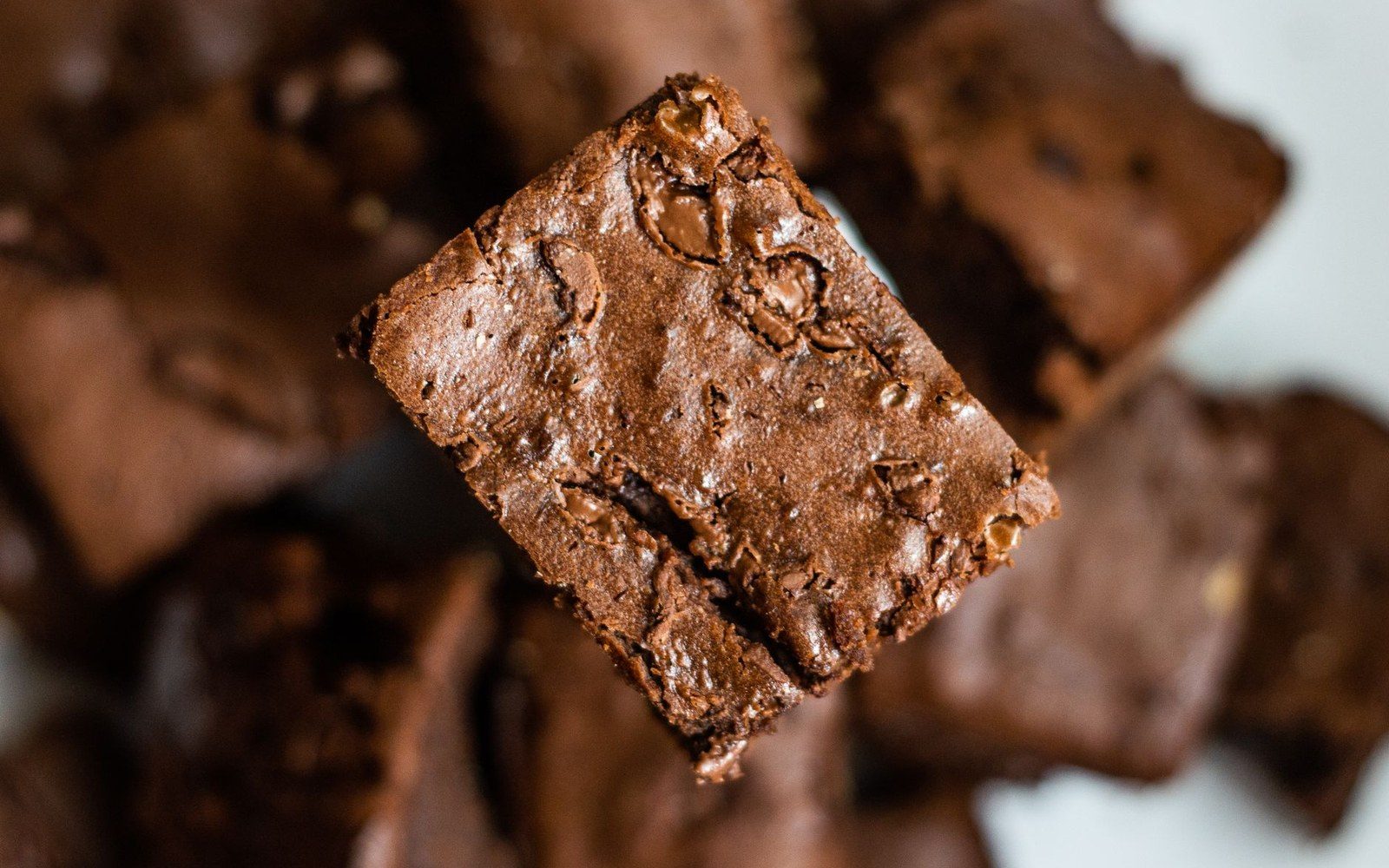
Cut cold, with a long knife wiped between cuts. Warm brownies tear, and the crust that makes the edge is barely a millimetre thick.
Photo: Raúl T / Pexels
Use the darkest chocolate available — 70% minimum. Finely chop 100 g. In a small saucepan, whisk 1 teaspoon cornflour (about 4 g) into 350 ml whole milk until smooth, then add a pinch of fine salt and 1 tablespoon caster sugar, adjusting to taste. Set over a medium-low flame and bring slowly to just below a simmer, stirring constantly. Add the chopped chocolate all at once. Whisk continuously for three to four minutes until the mixture thickens visibly and coats the spoon — it should hold a brief trail when you drag the whisk across the surface. Do not boil; the starch thickens long before that, and boiling breaks the emulsion. Pour immediately into warmed cups. It will continue to thicken as it cools. This is correct.
The cornflour here is not supplementary. Chocolate at this ratio to liquid would seize or separate without the stabilising starch. The gelatinised cornflour locks the cocoa-butter droplets into the water phase, producing something closer to a ganache emulsion than a conventional drink.
Cioccolata calda (serves 2)
Chop 80 g of chocolate at 50–60% cocoa solids — a milk-dark blend works well. Whisk ½ teaspoon cornflour (2 g) into 400 ml whole milk. Add 1 tablespoon caster sugar and a very small pinch of fine salt. Warm over medium heat, stirring, and add the chocolate when the milk is steaming but not yet simmering. Whisk for two to three minutes, or until the mixture thickens to the consistency of single cream. It should pour freely but coat the tongue. Some versions include a few drops of vanilla extract added off the heat; a small knob of butter (5 g) stirred in at the end adds gloss without being traditional in every region.
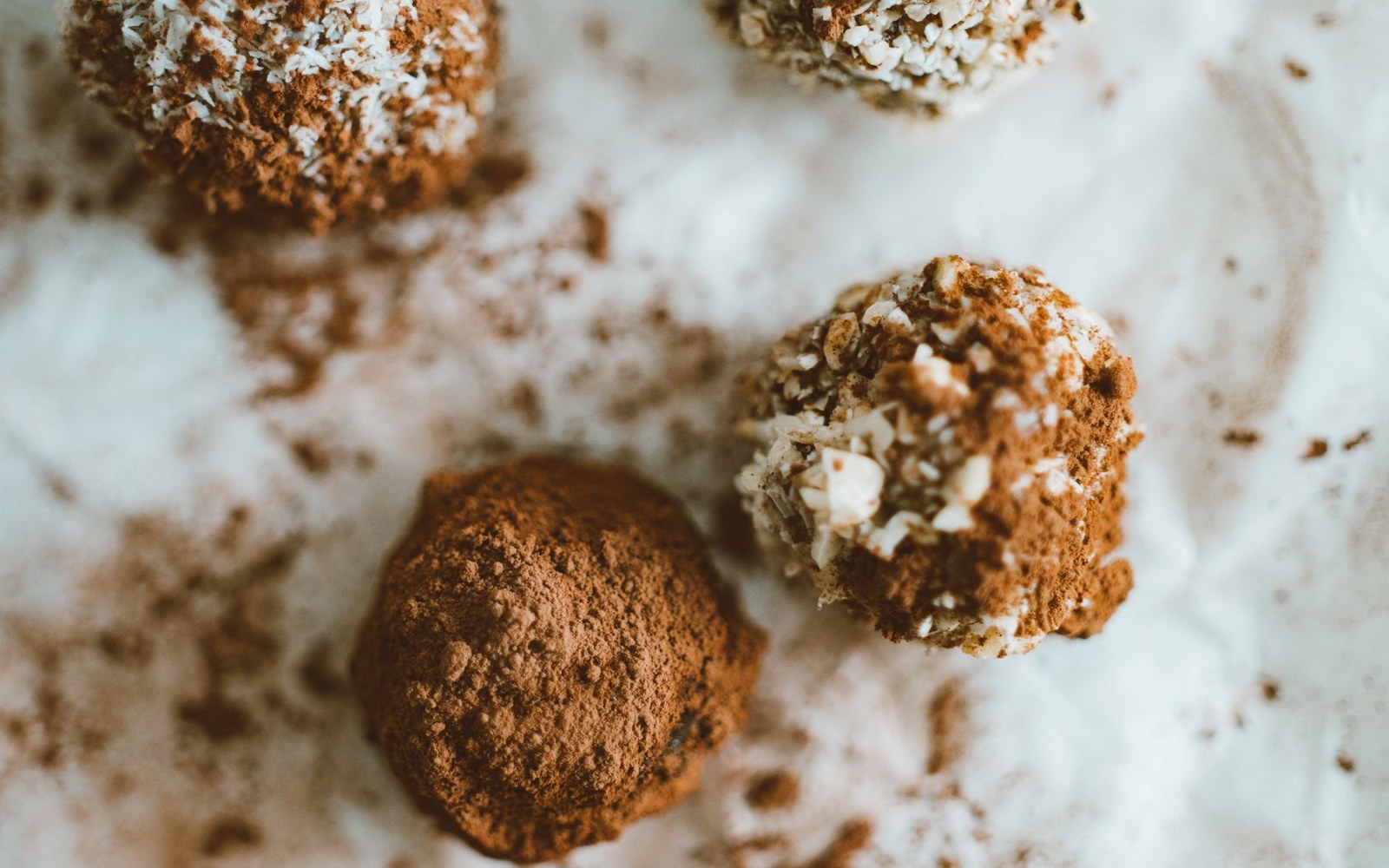
Rolled from a 2:1 ganache. Cocoa powder is the finish that needs no tempered shell — and it hides nothing.
Photo: ROMAN ODINTSOV / Pexels
The lighter starch ratio and lower chocolate percentage give a drink that is noticeably less dense than the Spanish version — appropriate for the Italian preference for a pourable, short cup consumed quickly.
Why Not Just Cocoa Powder
The difference is fat. Cocoa powder, including Dutch-process varieties, has had most of its cocoa butter removed — Coenraad Johannes van Houten's 1828 hydraulic press made that possible, and the technique was explicitly designed to produce a leaner, more soluble powder. Real drinking chocolate uses chopped or grated bar chocolate, retaining the full cocoa-butter content. That fat is what gives a la taza and cioccolata calda their texture, their mouthfeel, and the way they linger. The International Cocoa Organization ↗ distinguishes cocoa preparations and chocolate products precisely because the fat content changes the category. Cornflour does the structural work; chocolate does everything else.
More from Recipes