Recipes · Method
The Tart That Sets Without Going Grainy
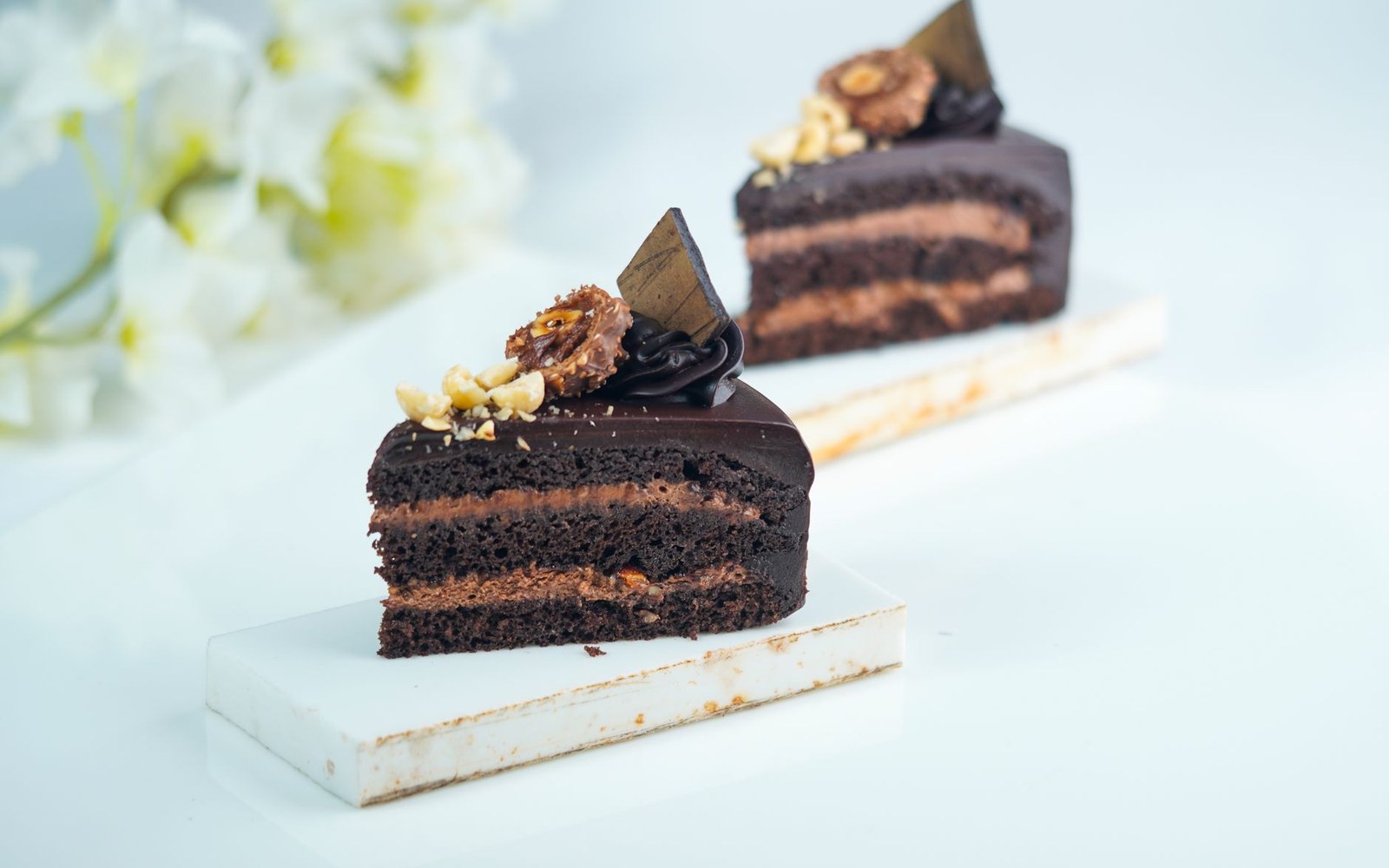 Plate 09
The edge is the test. A filling set at the right fat-to-cream ratio cuts like this; too much cream and the face slumps within minutes.
Photo: Nishant Sharma / Pexels
A ganache filling sets cleanly only when fat, water and temperature are all in the right proportion — here is the recipe that holds them there.
The Filling Ratio That Does the Work
The difference between a chocolate tart that slides from the tin and one that cracks, weeps or smears on the knife is almost entirely a question of the ganache ratio. A standard ganache emulsion relies on fat and water phases held in suspension by the lecithin in the chocolate and the proteins in cream. Pull the cream too low and the filling turns stiff and grainy once cold; push it too high and it never firms enough to cut cleanly.
For a tart filling — something that must hold a sharp edge at room temperature — the target is a ratio of two parts chocolate to one part double cream by weight. That 2:1 ratio produces a ganache that slices without crumbling and releases without greasing the plate.
For a 23 cm tart tin:
- 300 g dark chocolate, 64–70% cocoa solids, finely chopped
- 150 g double cream
- 30 g unsalted butter, at room temperature, cut into small cubes
- 1 tsp fine sea salt (optional, but it sharpens the flavour markedly)
- 1 blind-baked sweet shortcrust shell
The butter is not optional decoration. A small addition of extra fat smooths the emulsion and gives the cut surface a faint sheen rather than a matte, slightly dusty finish.
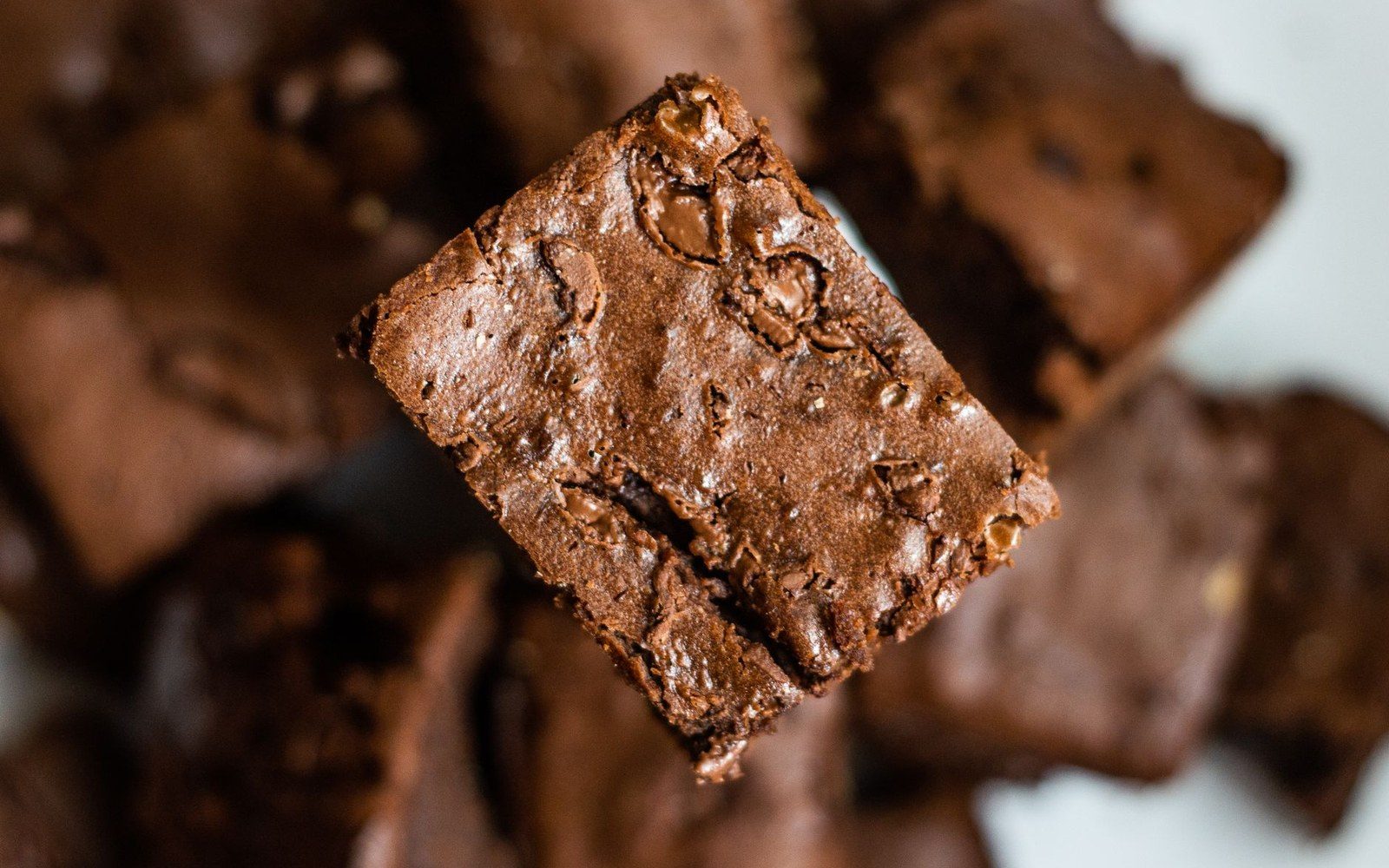
Cut cold, with a long knife wiped between cuts. Warm brownies tear, and the crust that makes the edge is barely a millimetre thick.
Photo: Raúl T / Pexels
The Shell: Blind-Bake Properly or the Whole Thing Is Damp
A ganache filling carries enough moisture to soften an under-baked base within hours. The shell must be fully cooked — past golden, to a deep amber — before the filling goes in.
Line the tart tin with sweet shortcrust pastry and chill it for at least 30 minutes. Line the chilled shell with baking paper and fill it with baking beans or uncooked rice. Bake at 180 °C (fan 160 °C) for 18 minutes, then lift out the paper and beans and return the shell to the oven for a further 10–12 minutes. The base should colour evenly — pale pastry will go soggy. Allow it to cool completely in the tin before pouring the filling.
Pouring and Setting: Two Temperatures Matter
Heat the cream to just below a simmer — small bubbles at the edge, no rolling boil. A full boil drives off water and shifts the ratio; it also scorches milk solids, leaving a slightly bitter edge in the finished tart. Pour the hot cream over the chopped chocolate in a heatproof bowl and leave it undisturbed for one minute. The resting period lets the cream do the melting work without the agitation that risks introducing air and making the surface uneven.
After one minute, stir slowly from the centre outward with a spatula, not a whisk. Whisking incorporates air bubbles that remain visible once the tart is set. Continue stirring until the ganache is completely smooth and glossy, then add the butter a few pieces at a time and stir until each piece disappears before adding the next. Stir in the salt if using.
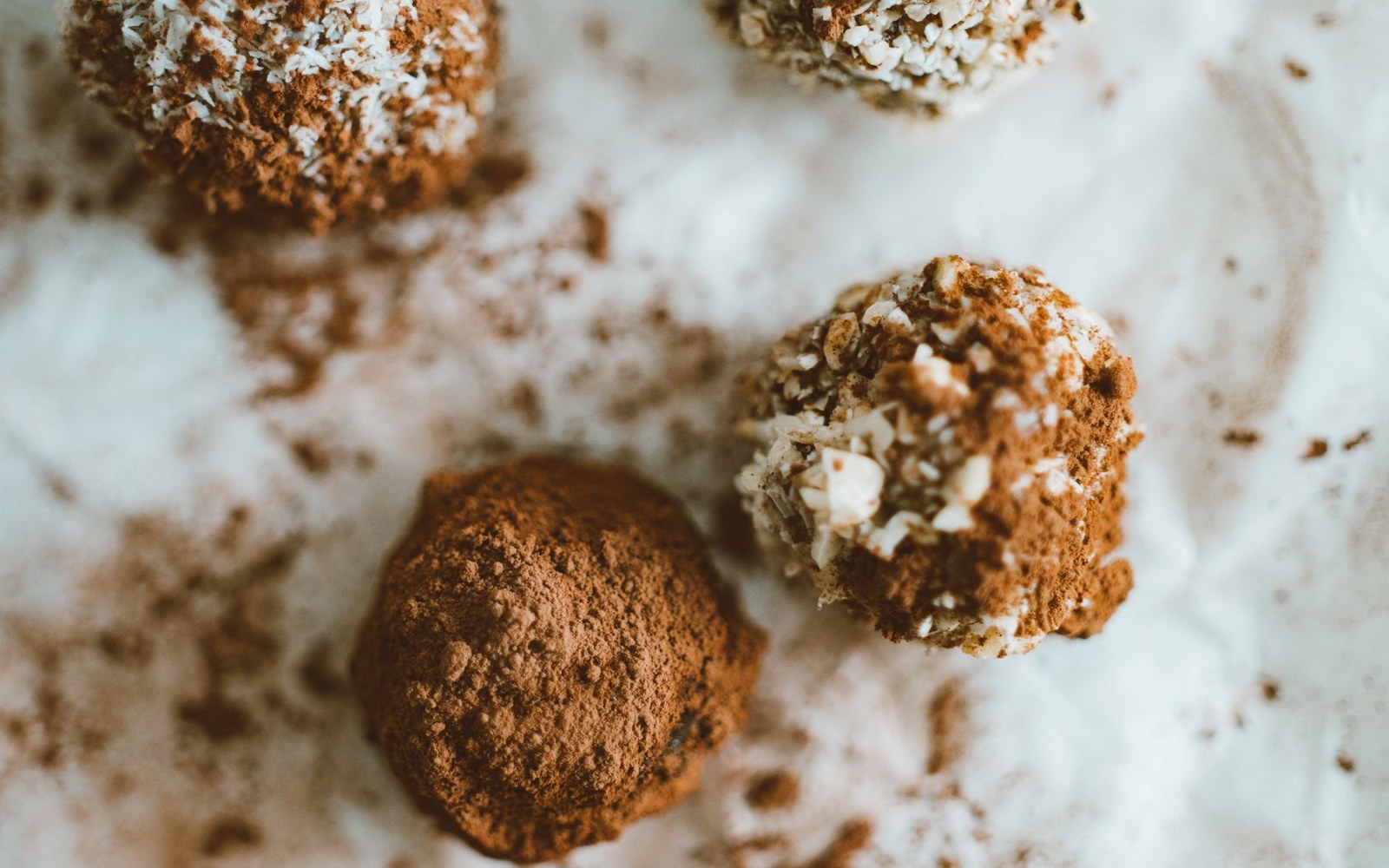
Rolled from a 2:1 ganache. Cocoa powder is the finish that needs no tempered shell — and it hides nothing.
Photo: ROMAN ODINTSOV / Pexels
Pour the ganache into the cooled shell immediately, from low down to avoid bubbles. If any surface bubbles appear, pass a cook's blowtorch briefly across them or press a sheet of cling film flat against the surface for a few seconds then peel it away.
Resting temperature is the final variable. The tart must set at room temperature — not in the refrigerator. A ganache chilled too quickly will contract unevenly and may develop fat bloom, the greyish haze caused by unstable cocoa-butter crystals migrating to the surface. Leave the tart undisturbed at 18–20 °C for a minimum of three hours, ideally four. In a warm kitchen, an hour near an open window is usually enough to initiate setting; refrigerate only once it is firm enough not to ripple when the tin is gently tilted.
Once set, run a thin knife around the tin edge and remove the base. Slice with a warm, dry knife — run it under hot water, wipe it dry, cut, wipe again. This is not fussiness; it is the only way to get a clean cut through a filling this dense without dragging the edge.
The tart keeps at room temperature for up to two days. After that, refrigerate it, but bring slices back to room temperature for 20 minutes before serving — cold ganache is too firm and the flavour closes down.
More from Recipes