Recipes · Method
The Toll House Cookie, with the Butter Browned First
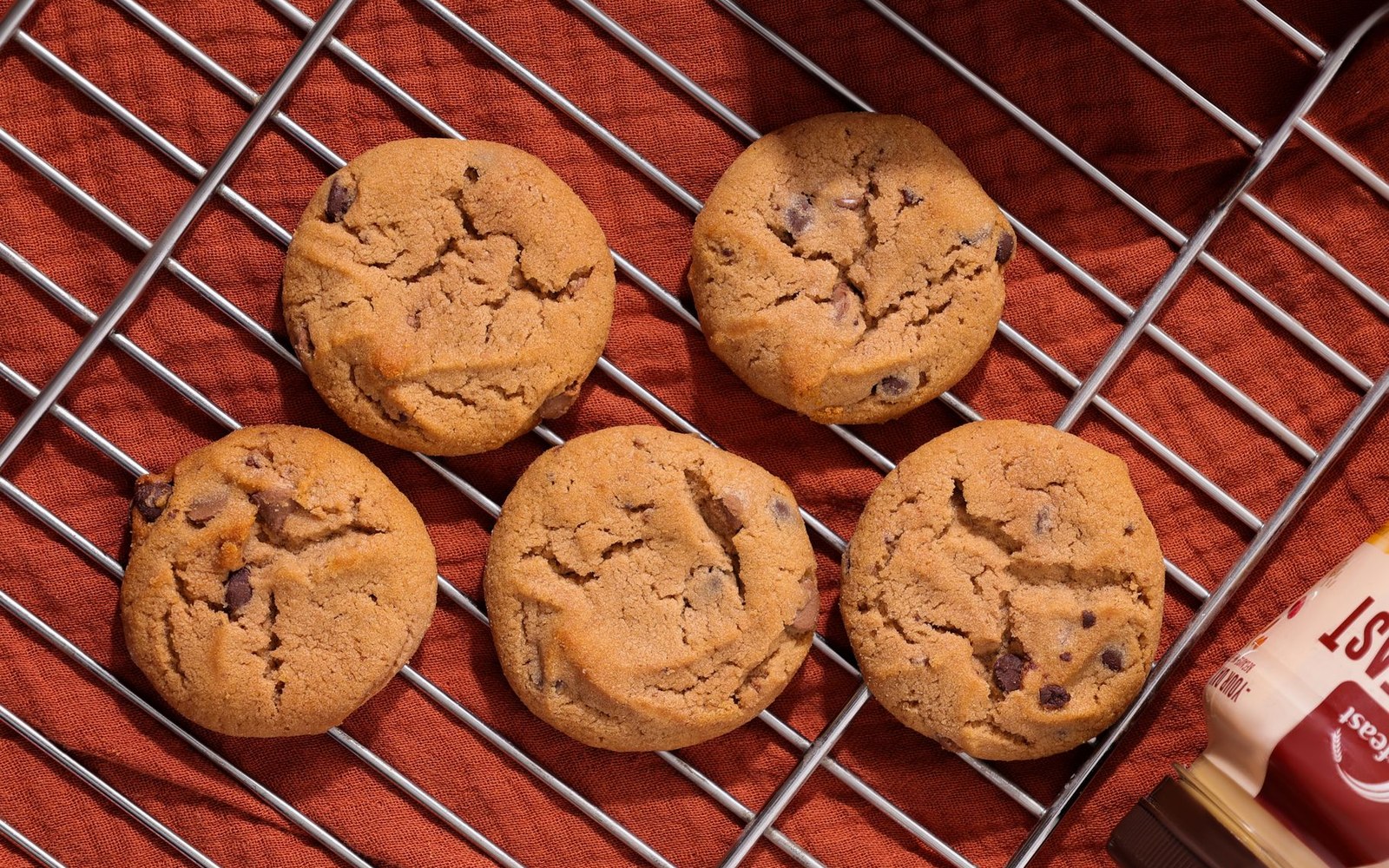 Plate 07
Spread this even means the dough went in cold. Browned butter slackens it, so the fridge step stops being optional.
Photo: ALOK DAS / Pexels
The original is already close to perfect. Browning the butter takes it the rest of the way.
What Ruth Wakefield Actually Wrote
Ruth Wakefield developed her chocolate chip cookie at the Toll House Inn in Whitman, Massachusetts, and published the recipe in her 1938 cookbook Toll House Tried and True Recipes. The formula she fixed — creamed butter, both sugars, eggs, vanilla, flour, baking soda, salt, chopped chocolate — has barely moved in eighty-five years. Nestlé later standardised it on the back of their semi-sweet chocolate morsels bag, and that is the version most cooks know by heart.
The baseline: 225 g unsalted butter at room temperature, 200 g granulated sugar, 165 g packed brown sugar, 2 large eggs, 1 tsp vanilla extract, 375 g plain flour, 1 tsp baking soda, 1 tsp fine salt, 340 g chocolate chips. Cream butter and sugars until pale, beat in eggs and vanilla, fold in the dry ingredients, stir in the chocolate. Bake at 190 °C (375 °F) for 9–11 minutes.
That is the whole thing. What follows is one change, not a reinvention.
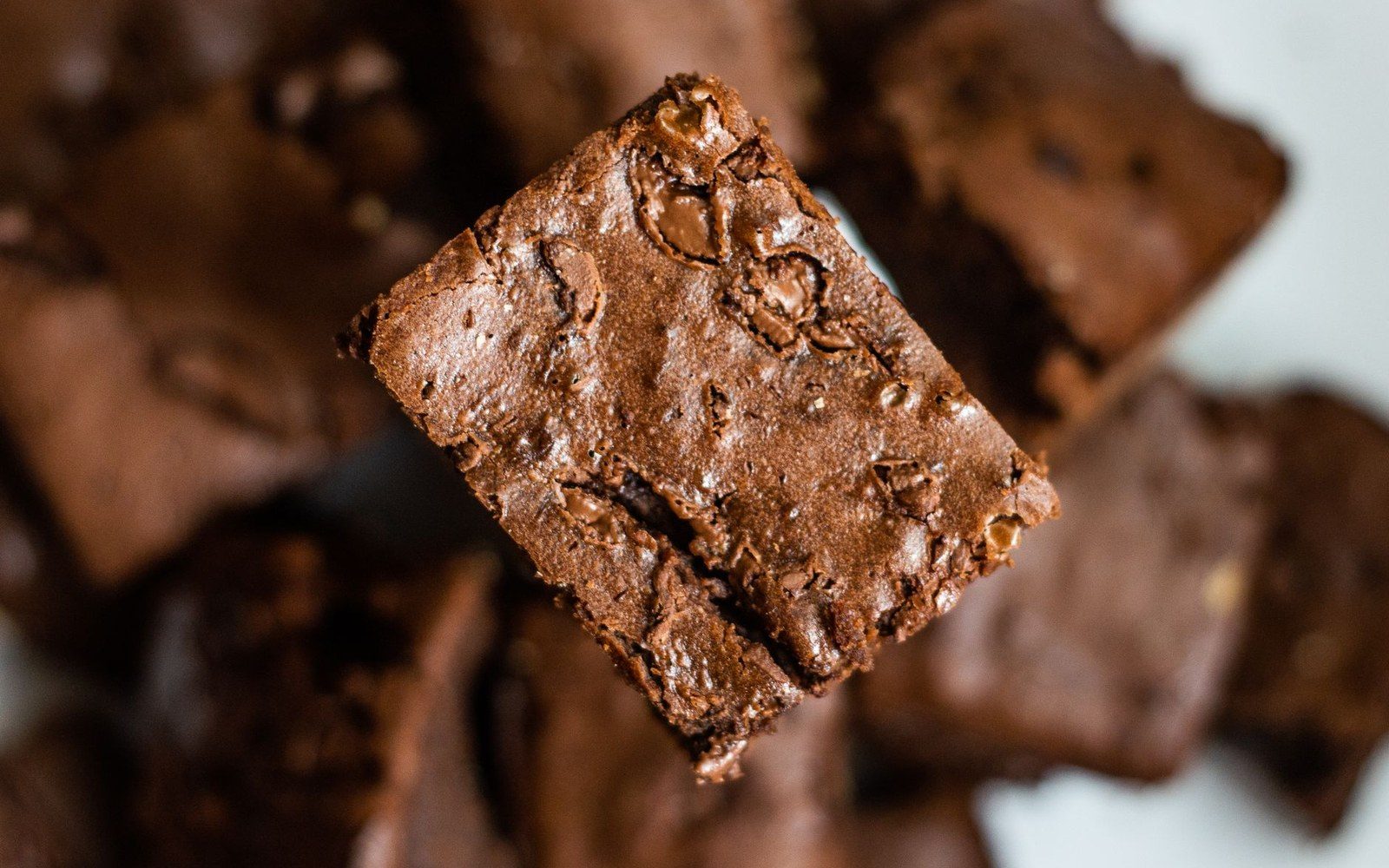
Cut cold, with a long knife wiped between cuts. Warm brownies tear, and the crust that makes the edge is barely a millimetre thick.
Photo: Raúl T / Pexels
The Five-Minute Step That Changes the Chemistry
Browning butter is the Maillard reaction and pyrolysis running together in a saucepan. As butter's water content evaporates — butter is roughly 16–17 percent water by mass — milk proteins and lactose react under heat to produce hundreds of new flavour compounds: nutty, toasty, faintly bitter diacetyl and furanone derivatives that raw or merely melted butter never develops. The French call this stage beurre noisette, hazelnut butter, named for the colour and the aroma together.
The cooking change is straightforward but the baking consequences are not. Two things happen that affect the dough: the water content drops, and the butter arrives liquid rather than aerated. Less water means less gluten development and a more tender crumb. Liquid fat coats flour particles more thoroughly than creamed butter does, which also suppresses gluten. The combined result is a cookie that spreads slightly less and bakes with a chewier centre and crisper edge.
To account for the water lost — typically 25–30 g from a 225 g block — add 2 tablespoons (30 ml) of cold water back into the cooled brown butter before mixing. This restores enough moisture for the dough to come together without becoming crumbly, while keeping the flavour gain intact.
The Recipe
Brown 225 g unsalted butter over medium heat in a light-coloured saucepan, stirring occasionally. It will foam, then the foam will subside and the milk solids will colour from pale gold to amber — this transition takes around 5 minutes and moves quickly at the end, so pull the pan off the heat the moment the solids are nut-brown. Pour immediately into a large mixing bowl to stop the cooking. Stir in 30 ml cold water and let the butter cool to room temperature, or chill it briefly until it is no longer warm to the touch.
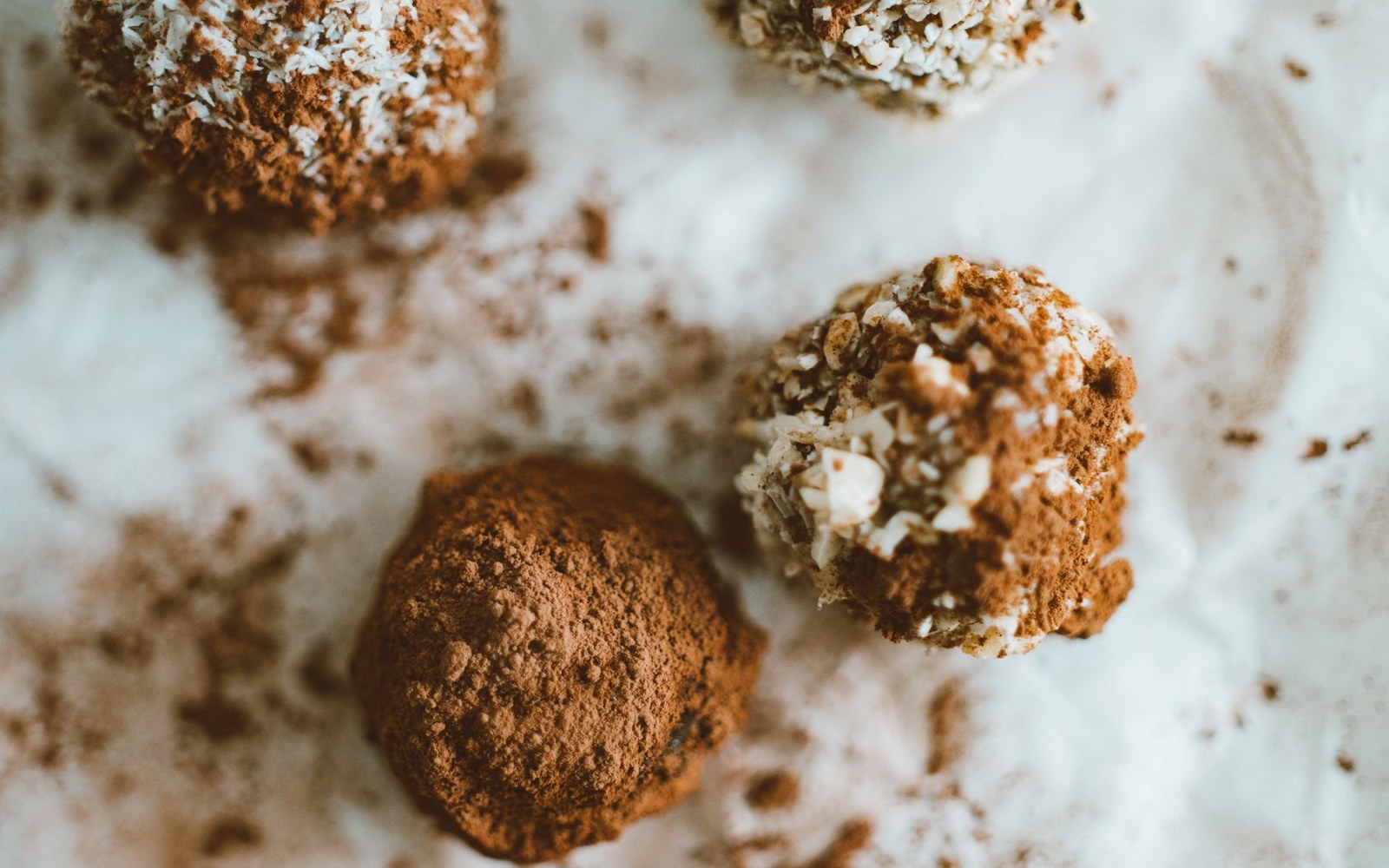
Rolled from a 2:1 ganache. Cocoa powder is the finish that needs no tempered shell — and it hides nothing.
Photo: ROMAN ODINTSOV / Pexels
Add 200 g granulated sugar and 165 g packed brown sugar to the cooled brown butter and whisk vigorously for 1 minute — you are not going to get the pale ribbon of creamed butter, but you want the sugars dissolved and the mixture uniform. Beat in 2 large eggs and 1 tsp vanilla.
In a separate bowl, whisk together 375 g plain flour, 1 tsp baking soda and 1 tsp fine salt. Fold the dry ingredients into the wet until just combined, then stir in 340 g chocolate chips. The dough will be softer than the creamed version; rest it in the refrigerator for at least 30 minutes, which firms it enough to scoop cleanly and helps flavour development.
Scoop onto lined baking sheets, leaving 5 cm between cookies. Bake at 190 °C for 10–12 minutes — about one minute longer than the original because the chilled dough is cooler going in. Pull them when the edges are set and the centres look underdone. They will firm as they cool.
One step. The same recipe. The butter doing more work.
More from Recipes