Cocoa · Market
The Three Companies That Process Most of the World's Cocoa
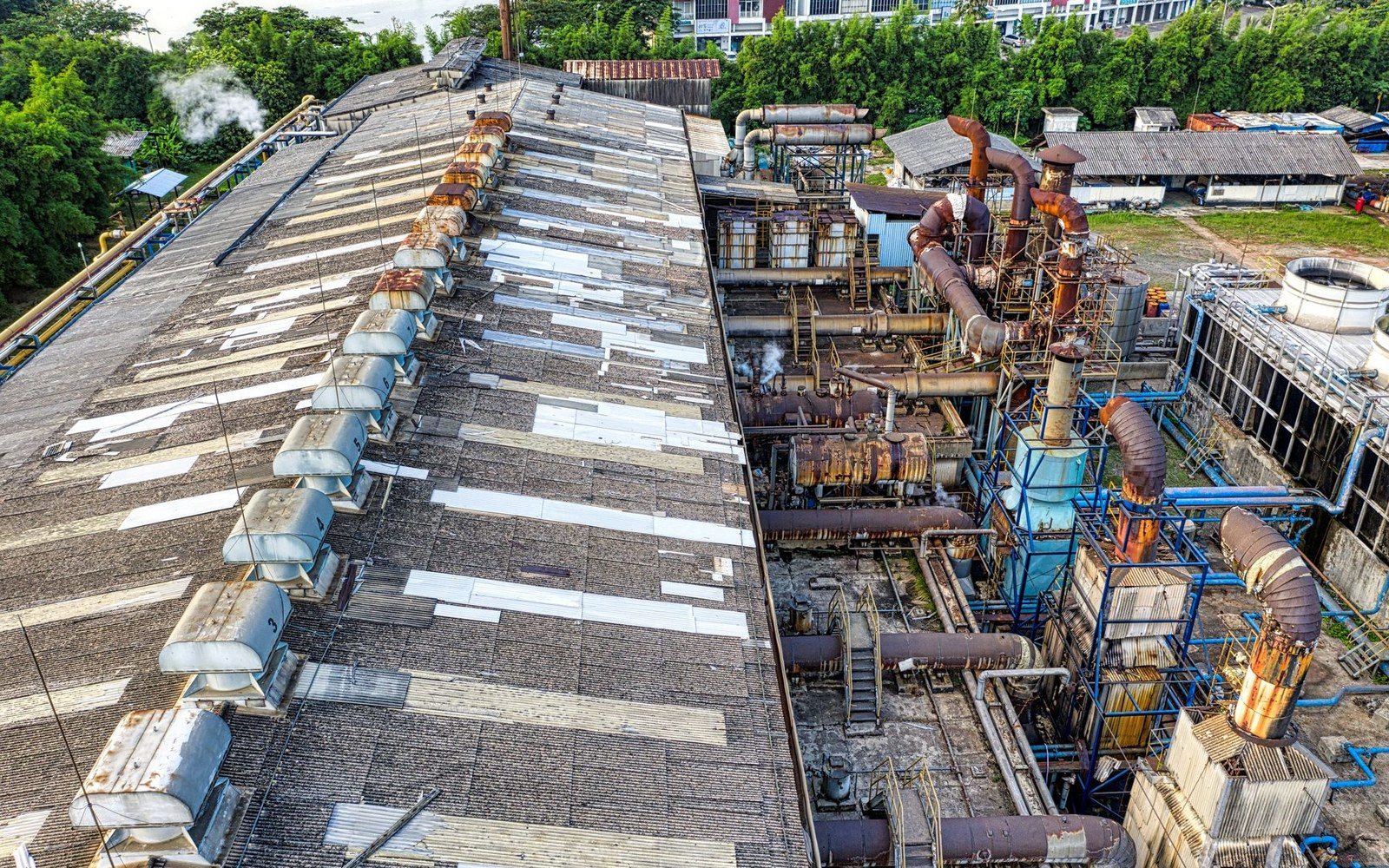 Plate 22
Grinding at this scale is what stands between a farm and a wrapper, and three companies own most of it.
Photo: Tom Fisk / Pexels
Behind every premium bar and every supermarket block sits the same small group of industrial grinders — and three of them move most of the world's cocoa.
Who Grinds, and How Much
Cocoa processing is a business most chocolate buyers never think about, because it is invisible by design. A bar labelled Valrhona or any bean-to-bar maker carries a story about origin and craft; it rarely mentions that the cocoa liquor, butter and powder underpinning that bar may have passed through one of just three companies before it reached the chocolate maker's factory. Barry Callebaut, Cargill and Olam International together account for a dominant share of global cocoa grinding capacity — industry analysts and the companies' own filings place the combined figure well above half of world processing volume, though no single authoritative number is published annually in one place.
Barry Callebaut, headquartered in Zurich, is the largest chocolate and cocoa product manufacturer in the world by volume. Its fiscal year 2023–24 annual report records total cocoa-bean equivalents processed at roughly 2.3 million tonnes, spanning both its cocoa ingredients division and its finished chocolate operations. The company runs grinding facilities in Côte d'Ivoire and Ghana — the two countries that together supply roughly 60 percent of the world's cocoa beans ↗ — and in Europe, North America and Asia. It supplies bulk couverture and cocoa ingredients to Mondelēz International, Nestlé, Ferrero and hundreds of smaller manufacturers under long-term contracts, and also sells finished chocolate directly under its Callebaut and Cacao Barry brands to professional users.
Cargill, the privately held US agricultural trading giant, sits alongside Barry Callebaut in scale. Its cocoa and chocolate segment processes beans across West Africa, Europe and Indonesia. Cargill does not publish a standalone volume figure for cocoa grinding in most years, but its cocoa segment has historically processed over a million tonnes of beans annually, and it operates one of the largest single cocoa-processing facilities in Côte d'Ivoire. The company's position as a commodity trader as well as a processor gives it unusual leverage: it can buy, warehouse, grind and sell cocoa ingredients or finished compound coating within the same corporate structure.

Where the spike became visible: the same shelf and the same brands, with less weight behind the price label.
Photo: Nothing Ahead / Pexels
Olam International, based in Singapore, completes the trio. Its Olam Food Ingredients division — now branded as ofi and run as a separate operating group within Olam — runs grinding operations across West Africa, including significant Ivorian capacity, and in Asia. Like Barry Callebaut, Olam is vertically integrated, working at farmgate level in sourcing markets and selling processed ingredients to manufacturers. The Olam/ofi structure ↗ means it competes both with the other large grinders and, occasionally, with its own customers downstream.
Why the Concentration Matters
The oligopoly shapes the ingredient supply chain in ways that reach well beyond price. When Barry Callebaut suspended shipments from its Wieze facility in Belgium for several weeks in 2022 following a Salmonella detection, customers across Europe faced immediate supply gaps — a reminder of how little redundancy sits behind the premium-brand market. When cocoa prices on the ICE Futures market ↗ broke through ten thousand dollars a tonne in early 2024, all three companies faced the same cost shock simultaneously, and their hedging positions and forward contracts determined how quickly that cost moved through to the chocolate makers buying from them.
Where the spike became visible: the same shelf and the same brands, with less weight behind the price label.
Photo: Nothing Ahead / Pexels
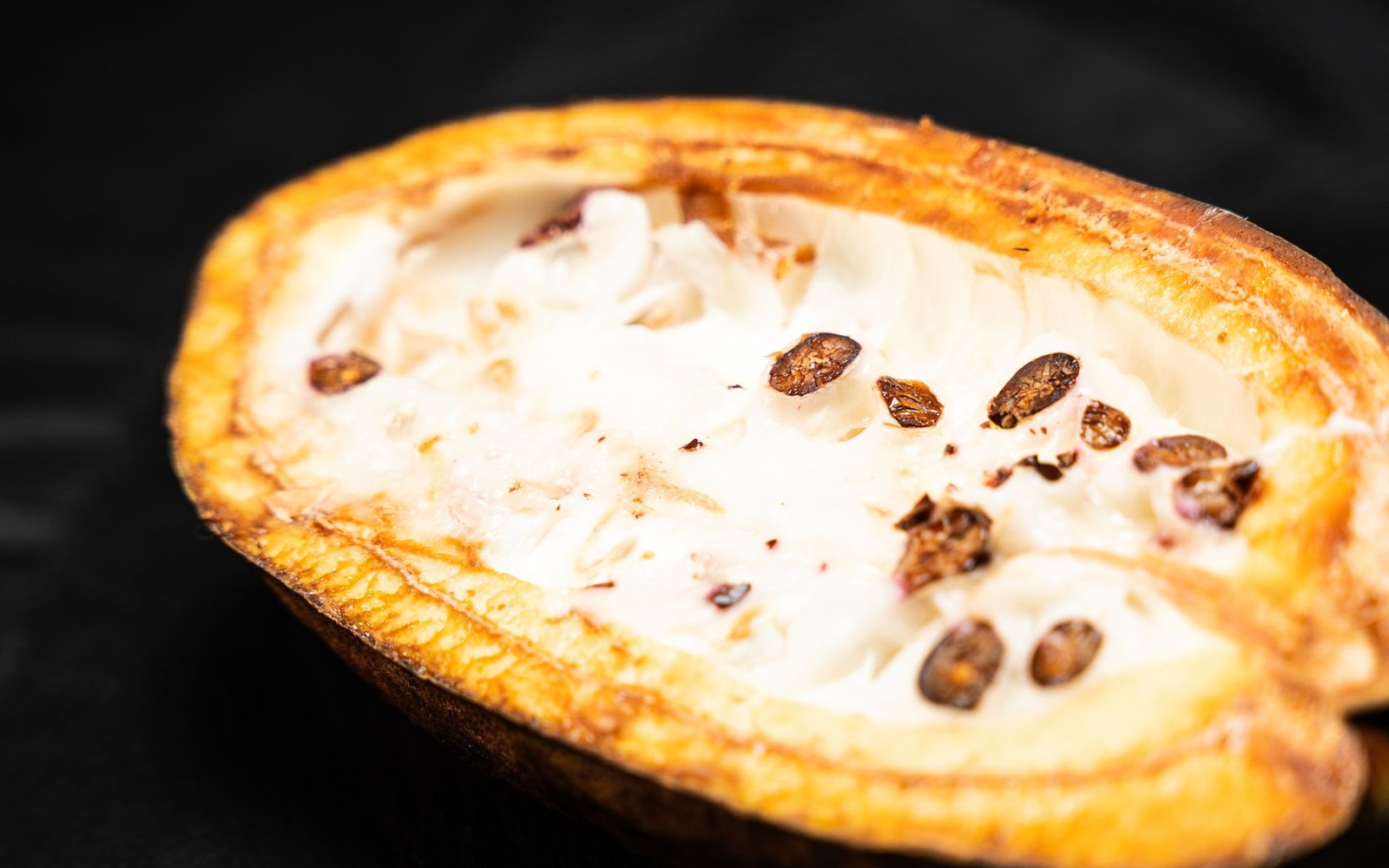
The seeds taste of almost nothing at this stage. Four days of fermentation in that white pulp is what makes them taste of chocolate.
Photo: Aaron H Ch / Pexels
For smaller producers — Valrhona, Guittard, the bean-to-bar independents — the practical consequence is that the terms on which they can access cocoa butter, liquor and powder are set largely by the margin calculus of three industrial actors. Valrhona sources its own beans and processes them in Tain-l'Hermitage, which gives it unusual independence, but even craft makers who source directly still operate in a butter and powder market whose reference price the large grinders effectively anchor.
The Living Income Differential paid to farmers in Ghana and Côte d'Ivoire, the EU's deforestation regulation compliance burden, and the disruption of two consecutive poor harvests in West Africa have all landed on this processing tier first — and their cost has distributed outward from there to every finished bar on every shelf.
More from Cocoa