Cocoa · Market
Smaller Bars, Different Fat: Two Ways the Price Was Passed On
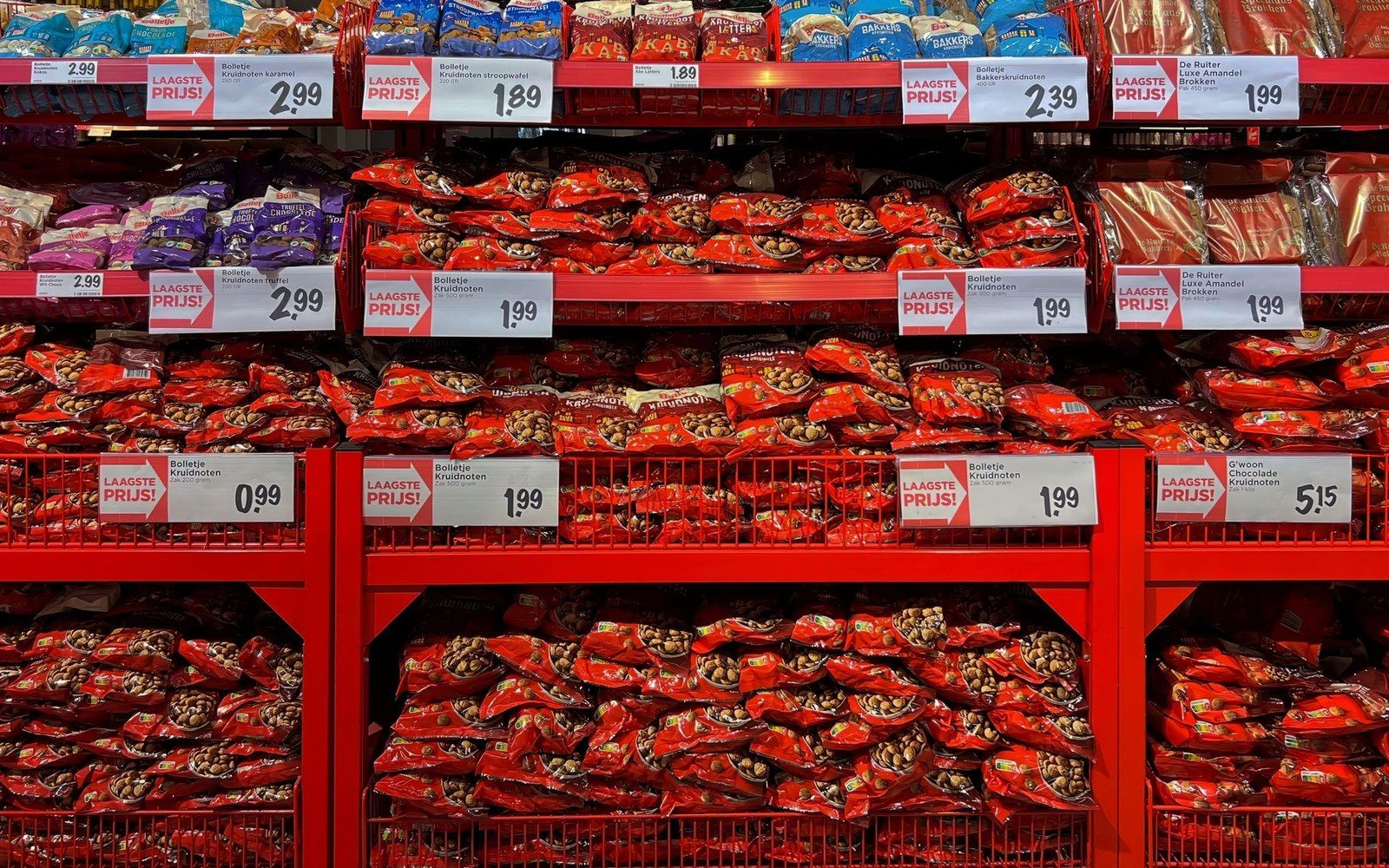 Plate 21
The price label is the part that stayed the same. The weight behind it and the fat inside it are what moved.
Photo: Paul Stam / Pexels
When cocoa passed $10,000 a tonne in 2024, manufacturers had two tools. One was visible; the other was easier to miss.
Read the Weight, Then Read the Ingredients
Shrinkflation in chocolate is well-documented. Toblerone's 400 g bar shrank to 360 g in 2016 — the gap between its famous triangular peaks widened noticeably, drawing enough public attention that the change became a Wikipedia case study in shrinkflation. With the 2024–25 cocoa price spike pushing raw-material costs to levels not seen in decades, that same logic returned across the aisle: smaller bar, same wrapper, same price. The weight reduction is legal, provided the packaging states the new weight — which it does, in print small enough to miss.
The subtler move is ingredient substitution. Under EU Directive 2000/36/EC ↗, manufacturers in EU member states may add vegetable fats other than cocoa butter, up to five percent of the finished product's weight, in the form of cocoa-butter equivalents — a CBE. Permitted CBEs include illipe butter, palm oil fractions, shea, kokum gurgi, mango kernel fat, and sal. These vegetable fats share a similar crystal structure to cocoa butter, which means they don't disrupt the product visually the way cheaper substitutes would. A bar containing them can still be labelled "chocolate" in the EU, provided the label also carries the phrase "contains vegetable fats in addition to cocoa butter."

Where the spike became visible: the same shelf and the same brands, with less weight behind the price label.
Photo: Nothing Ahead / Pexels
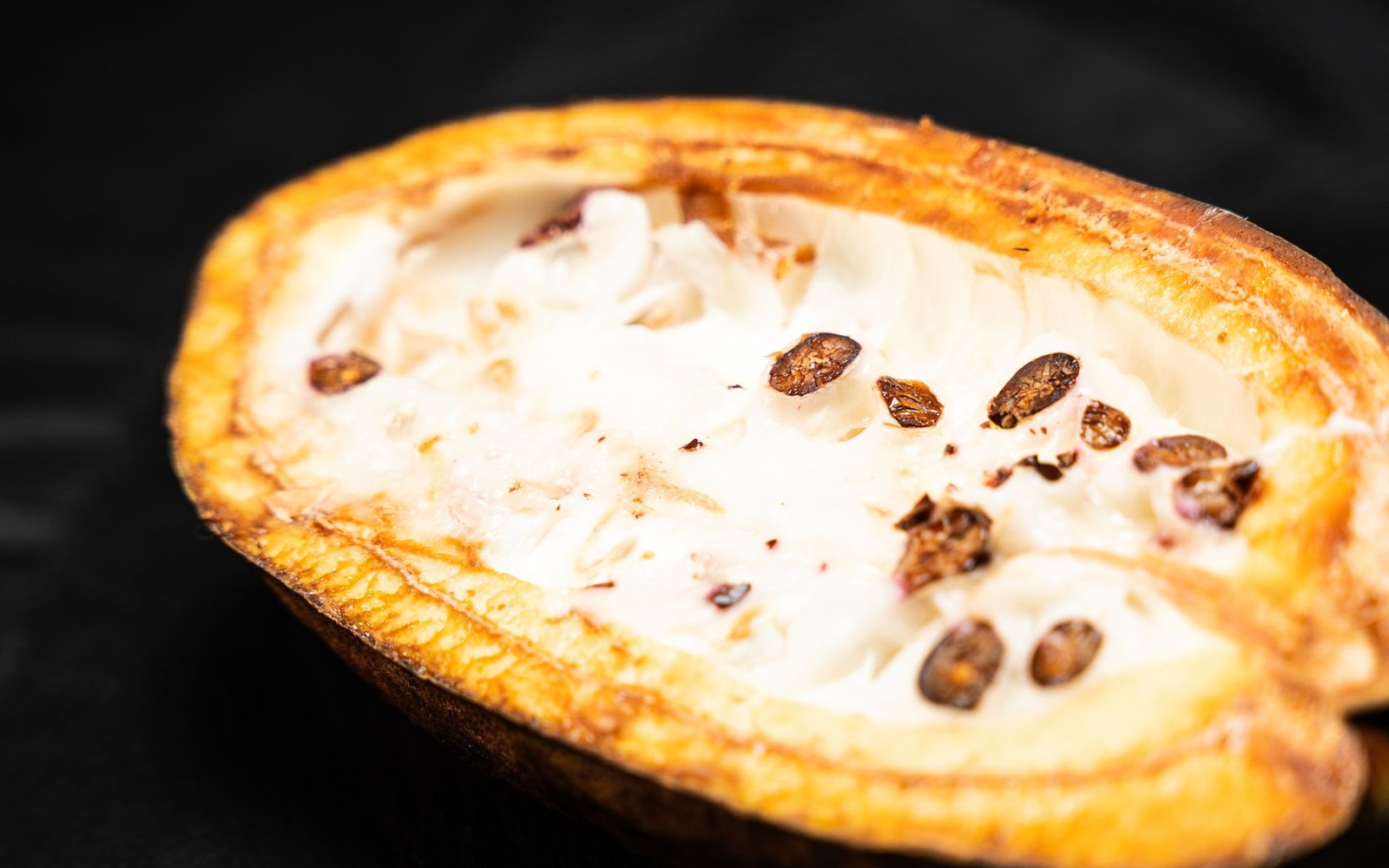
The seeds taste of almost nothing at this stage. Four days of fermentation in that white pulp is what makes them taste of chocolate.
Photo: Aaron H Ch / Pexels
That declaration is where the ingredients panel earns its keep. A product that omits cocoa butter entirely and replaces it with a generic vegetable fat blend is not chocolate under EU rules — it is compound coating. Compound products must not use the word "chocolate" as the product name, though they may describe the flavour.
The practical test at the shelf: check the weight against what that bar weighed two years ago, then scan the ingredients for "vegetable fat" or a named CBE. The two changes rarely appear together on the same product — shrinkflation suits brands protecting a premium image; fat substitution suits private-label and budget lines — but both are real, both are legal, and both are worth noticing before the bar goes in the basket.
More from Cocoa